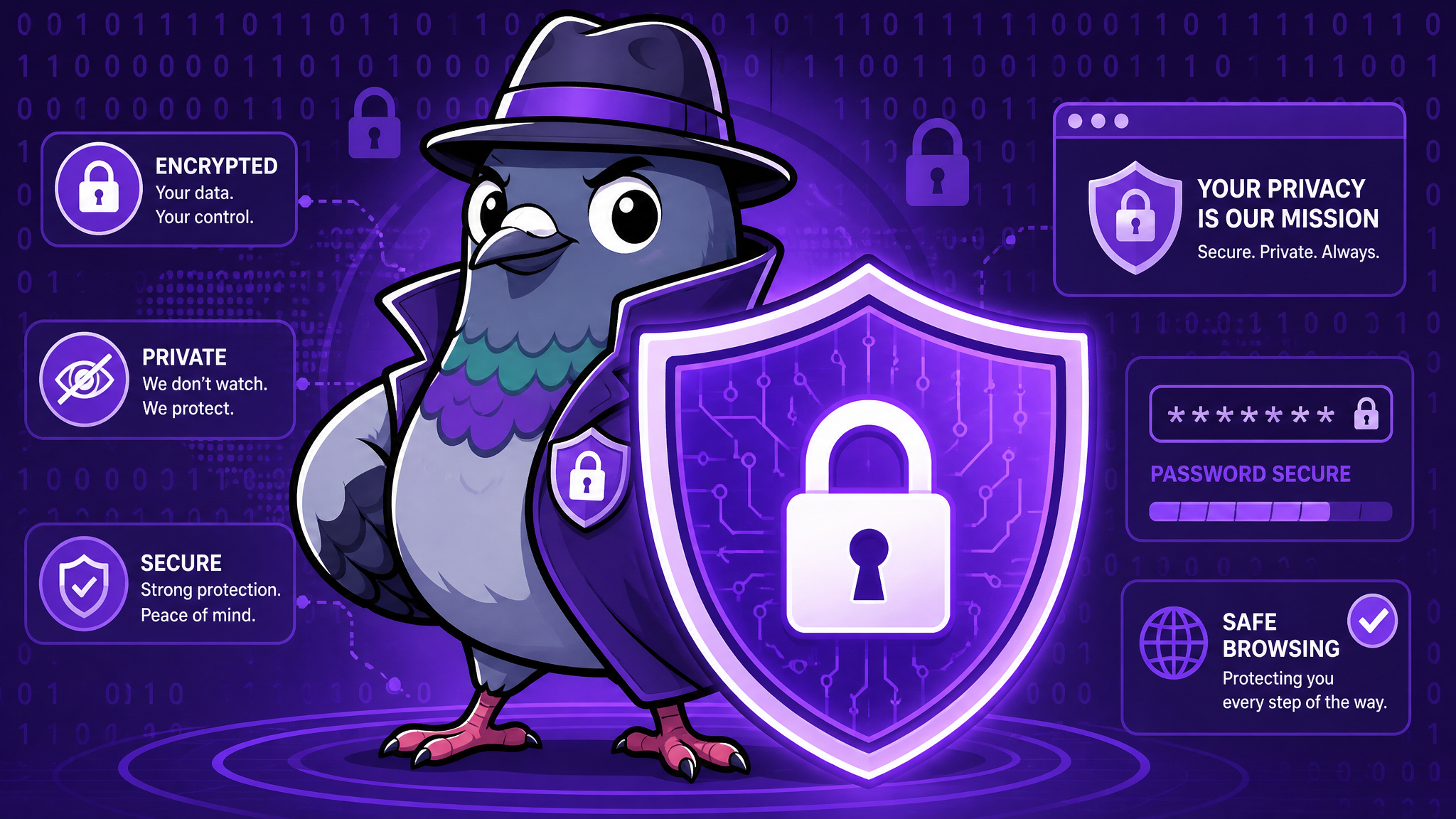
Why Privacy-First Messaging Apps Are the New Standard in 2026
Data breaches, surveillance, and ad targeting have changed what users expect from messaging apps. Learn why privacy-first is no longer optional and how to choose a truly private messenger.
In 2026, privacy is not a feature — it is a fundamental right. After years of data breaches, surveillance scandals, and the uncomfortable realization that our private conversations are being used to sell us things, users are finally demanding better. And the messaging industry is listening.
Privacy-first messaging apps are no longer niche products for tech enthusiasts. They are the new standard. Here is why this shift happened and what it means for you.
The Privacy Wake-Up Call
Several watershed moments have driven the global shift toward privacy-first messaging:
The Data Breach Epidemic
Between 2020 and 2025, major messaging platforms experienced breaches affecting billions of users. Phone numbers, message metadata, contact lists, and in some cases actual message content were exposed. Each incident eroded trust further.
The Advertising Machine Exposed
Investigative journalism and whistleblower revelations showed exactly how messaging data was being monetized. Users learned that their private conversations about health, finances, and relationships were being analyzed to build advertising profiles.
Government Overreach
Multiple governments attempted to mandate backdoors into encrypted messaging, sparking a global debate about the balance between security and surveillance. This pushed privacy from a technical concern to a human rights issue.
The AI Analysis Threat
Advances in artificial intelligence made it possible to extract insights from messaging data at unprecedented scale. What once required reading individual messages could now be done automatically across billions of conversations.
What Privacy-First Actually Means
Not every app that claims to be private actually is. Here is what genuine privacy-first messaging looks like:
End-to-End Encryption (E2EE)
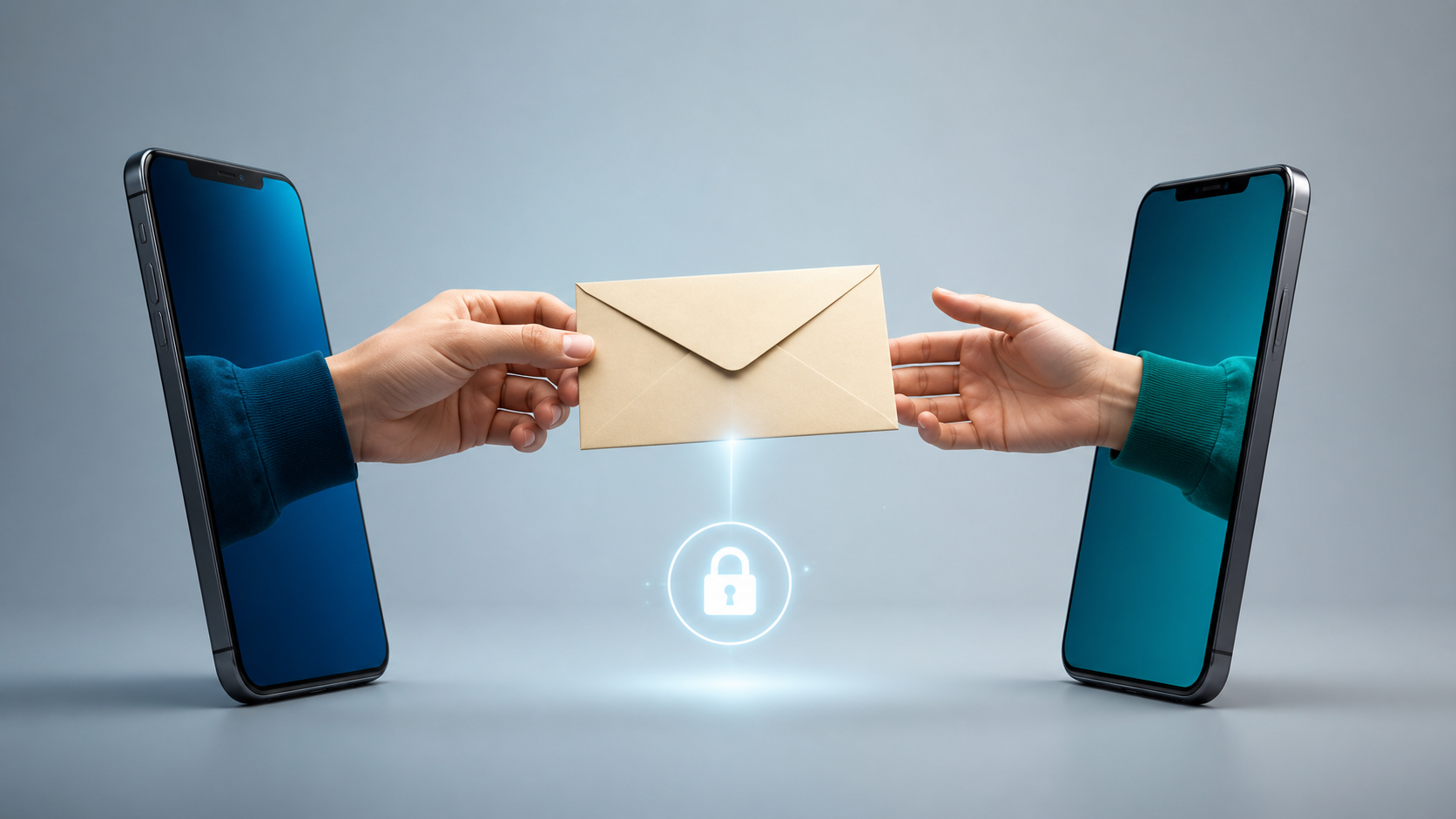
This is the foundation. E2EE means that only you and the person you are messaging can read the conversation. Not the app company, not hackers, not governments. The encryption happens on your device and only decrypts on the recipient's device.
What to watch for: Some apps encrypt messages in transit but store them unencrypted on their servers. True E2EE means the app provider cannot read your messages even if they wanted to.
Minimal Data Collection
A privacy-first app collects only the data it absolutely needs to function:
- Your account information (minimal — ideally just a username)
- Message delivery data (temporary, deleted after delivery)
- Nothing about message content, contacts, or usage patterns
No Advertising or Data Monetization
If the app is free and makes money from ads, your data is the product. Privacy-first apps use subscription models, freemium features, or other revenue streams that do not require selling user data.
Open Source and Auditable
The gold standard for privacy is code that anyone can inspect. Open source messaging protocols allow security researchers to verify that the encryption works as claimed.
Data Minimization
Even metadata — who you talk to, when, and how often — can reveal intimate details about your life. Privacy-first apps minimize metadata collection and retention.
The Business Case for Privacy
Privacy is not just ethically right — it is good business. Here is why more messaging apps are going privacy-first:
- User demand — surveys consistently show that 80%+ of users prefer privacy-respecting apps when given a clear choice
- Regulatory pressure — GDPR, CCPA, and similar regulations make data collection increasingly risky and expensive
- Competitive advantage — in a crowded market, privacy is a genuine differentiator
- Reduced liability — companies that do not collect data cannot have it breached
- Trust equals retention — users who trust an app stay longer and recommend it more
How to Evaluate a Messaging App's Privacy
Use this checklist to assess any messaging app's privacy credentials:
The Privacy Checklist
- Is E2EE on by default? — Not just available, but enabled for all conversations automatically
- What data does the app collect? — Check the privacy policy, not the marketing claims
- How does the app make money? — If it is free, ask yourself what you are paying with
- Has it been independently audited? — Third-party security audits are a strong trust signal
- Can you delete your data? — You should be able to permanently delete your account and all associated data
- Where are the servers located? — Different jurisdictions have different data protection laws
- Does it require your phone number? — Phone numbers are personally identifiable; apps that do not require them offer better anonymity
Common Privacy Myths Debunked
Myth: "I have nothing to hide"
Privacy is not about hiding wrongdoing. It is about maintaining autonomy over your personal information. You close the bathroom door not because you are doing something wrong, but because some things are simply private.
Myth: "Encryption helps criminals"
Encryption protects everyone — journalists, activists, domestic abuse survivors, business professionals, and ordinary citizens. Weakening encryption for law enforcement weakens it for everyone.
Myth: "Big companies protect my data well"
Size does not equal security. Some of the largest data breaches in history have involved major tech companies. The safest approach is for companies to not collect data they do not need.
Myth: "Privacy apps are hard to use"
Modern privacy-first messaging apps like PigeonChat prove that security and usability are not mutually exclusive. You can have fun stickers, beautiful themes, and smooth group chats while your conversations remain completely private.
The Future of Private Messaging
Looking ahead, several trends are shaping the future of messaging privacy:
- Decentralized messaging — moving away from centralized servers that create single points of failure
- Post-quantum encryption — preparing for a future where quantum computers could break current encryption
- Zero-knowledge architecture — app designs where even the service provider has zero access to user data
- Privacy as law — increasing global legislation making strong privacy protections mandatory
- User-owned data — models where users maintain complete ownership and control of their communication data
Making the Switch to Privacy
If you are ready to prioritize privacy in your messaging life, here is your action plan:
- Audit your current apps — check what data they collect about you
- Choose a privacy-first alternative — use the checklist above to evaluate options
- Migrate gradually — start with your most sensitive conversations
- Educate your circle — share what you have learned about privacy with friends and family
- Stay informed — privacy is an evolving landscape, so keep up with developments
Your conversations are uniquely yours. They contain your thoughts, feelings, plans, and relationships. Choosing a messaging app that respects that is not paranoia — it is wisdom.
In a world where data is the most valuable commodity, the apps that refuse to exploit yours deserve your attention and your trust.

Writer & Editor at PigeonChat
Related Articles
What makes an end to end encryption chat app secure
What a fully compliant EU chat app should include
Why people search for a WhatsApp alternative without a number
What end to end encryption chat really protects
Why chat folders matter for busy group conversations