
How Messaging Apps Are Reshaping Modern Friendships in 2026
From voice notes to reaction emojis, discover how messaging technology is fundamentally changing the way we make, maintain, and deepen friendships.
Friendship in the Age of Instant Messaging
Friendship has always evolved with technology. Letters gave way to phone calls, which gave way to emails, and now messaging apps have become the primary infrastructure of modern friendship. But messaging hasn't just replaced older communication tools — it has fundamentally altered what friendship looks like, how we maintain it, and even how we define closeness.
In 2026, your best friend might be someone you've never met in person. Your childhood friend 3,000 miles away might feel closer than your next-door neighbor. And the health of your friendships might be measured not in hours spent together, but in the rhythm of your daily message exchanges.
The Rise of Ambient Friendship
One of the most significant shifts messaging has created is what sociologists call "ambient friendship" — the sense of ongoing connection maintained through small, frequent digital touchpoints rather than planned, structured interactions.
Sending a meme that reminded you of someone. Reacting to their story with a heart. Sharing a screenshot of a sunset. These micro-interactions might seem trivial individually, but collectively they create a constant hum of connection that keeps friendships alive in ways that periodic phone calls or in-person meetups cannot.
Research from Oxford's Dunbar Lab shows that people who engage in daily messaging exchanges with friends report feeling significantly closer to those friends than those who communicate only weekly — even when the weekly communicators spend more total time in conversation.
Voice Notes: The Intimacy Revolution
Text messages are efficient. Voice notes are intimate. The explosion of voice note usage — up 300% since 2023 — represents a hunger for emotional richness that text alone can't provide. Hearing your friend's laugh, the excitement in their voice when they share good news, or the quiet vulnerability when they're struggling adds dimensions to digital friendship that text flattens.
Voice notes also solve a practical problem: they let you communicate without requiring synchronous availability. You can send a three-minute voice ramble at 2 AM, and your friend can listen and respond at breakfast. It's the warmth of a phone call with the convenience of a text message.
Group Chats as Friendship Infrastructure
The group chat has become the modern equivalent of the neighborhood hangout spot or the local pub. It's the persistent, always-open space where friend groups gather, banter, plan, and support each other. For many people, their most important friendships are maintained primarily through group chats.
What makes group chats uniquely powerful for friendship is their spontaneity. Unlike planned social events, group chats create opportunities for unscripted interaction. Someone shares something funny, and a whole conversation unfolds organically. These unplanned moments of connection are often the ones that strengthen friendships most.
The Friendship Maintenance Revolution
Before messaging apps, maintaining long-distance friendships required deliberate effort — scheduling calls, writing letters, planning visits. Messaging has dramatically lowered the maintenance cost of friendship, which means people can sustain more friendships with less effort.
This has both positive and negative implications. On the positive side, you don't lose friends simply because life got busy. A quick message after weeks of silence doesn't feel awkward in messaging culture — it's normal. On the negative side, the low effort of messaging can create an illusion of closeness that doesn't reflect actual investment in the relationship.
Digital-First Friendships
An increasing number of friendships in 2026 begin and develop entirely in digital spaces. People meet in online communities, hobby groups, gaming circles, and messaging channels and form bonds that feel every bit as real as those formed over coffee.
These digital-first friendships challenge the traditional hierarchy that places in-person relationships above online ones. The friend who texts you every morning to check on your mental health might be more genuinely caring than the coworker you eat lunch with daily. Proximity no longer equals closeness.
Reactions and Emoji: The New Body Language
In face-to-face conversation, we communicate as much through body language as through words — nodding, smiling, leaning in. In messaging, reactions and emoji serve this same function. A heart reaction on a friend's message says "I see you, I care" without requiring a full response. A laughing emoji validates their humor. A thoughtful reply with specific emoji shows you're paying attention.
This digital body language is developing its own nuanced vocabulary. Friends develop shared emoji meanings and inside jokes through reaction patterns. The specific emoji you choose to react with becomes part of your unique friendship language.
The Dark Side: Shallow Connection and Comparison
Not all effects of messaging on friendship are positive. The ease of maintaining many surface-level connections can come at the expense of deep, vulnerable relationships. When you're chatting with 15 friends daily, how much emotional depth can each conversation realistically have?
There's also the comparison problem: seeing friends' activities through their messages and stories can trigger jealousy or insecurity. "Why wasn't I invited?" or "They seem to have more fun without me" are common anxieties amplified by the visibility messaging provides into others' social lives.
Building Deeper Digital Friendships
The antidote to shallow messaging friendship is intentionality. Set aside time for longer, deeper conversations with your closest friends. Share vulnerabilities, not just memes. Ask meaningful questions. Use voice notes or video calls for important conversations. And occasionally, translate digital closeness into physical presence — meet up when you can.
Messaging has given us extraordinary tools for friendship. The challenge of 2026 isn't whether we can stay connected — it's whether we can stay meaningfully connected in a world overflowing with digital noise.

Writer & Editor at PigeonChat
Related Articles

Why people search for a pigeon chat app online

Why users search for a pigeon chat app online

Why people call pigeons a messaging app joke
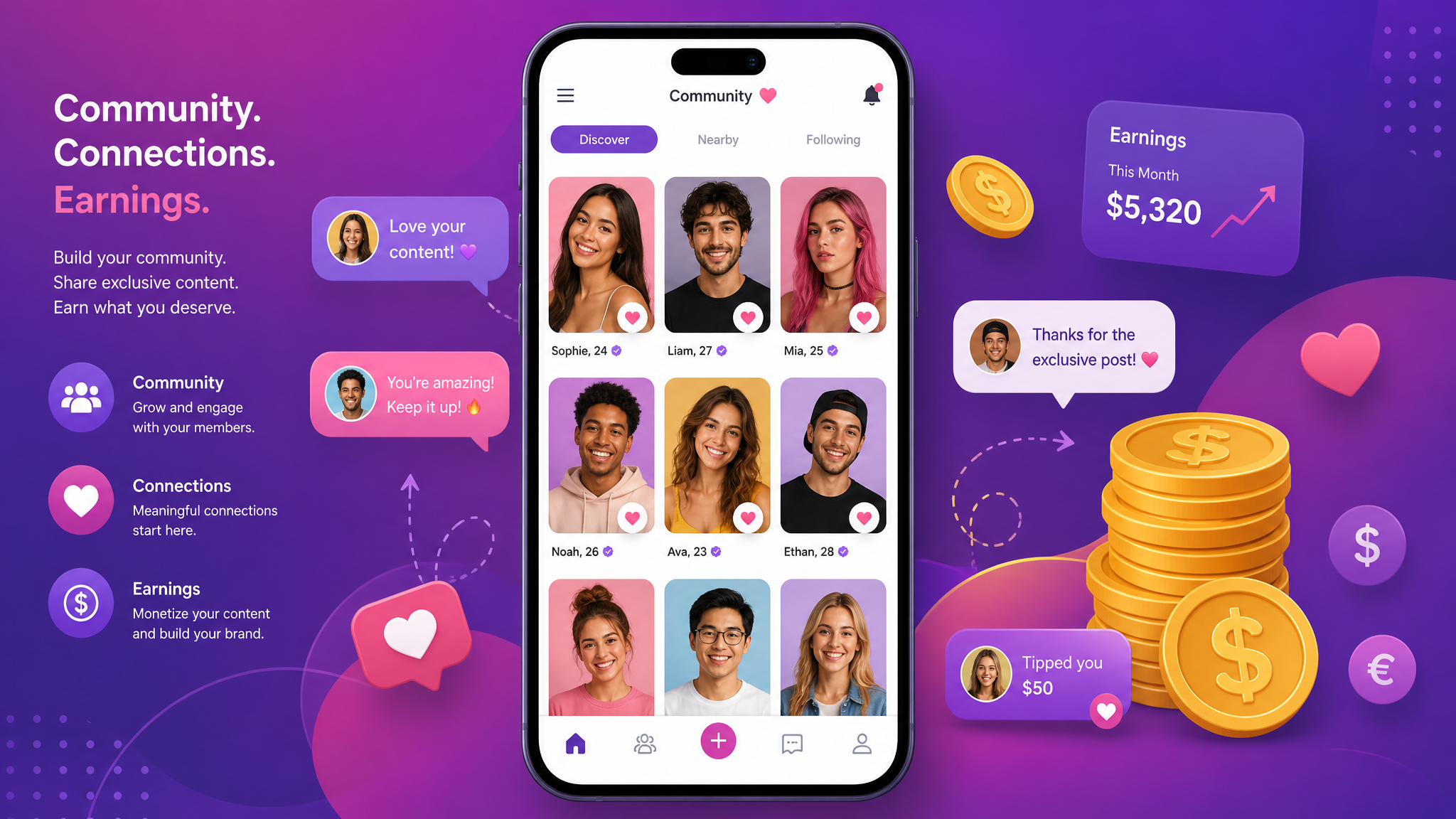
Dating, Community & Making Money on PigeonChat.site
Why chat folders matter for busy group conversations