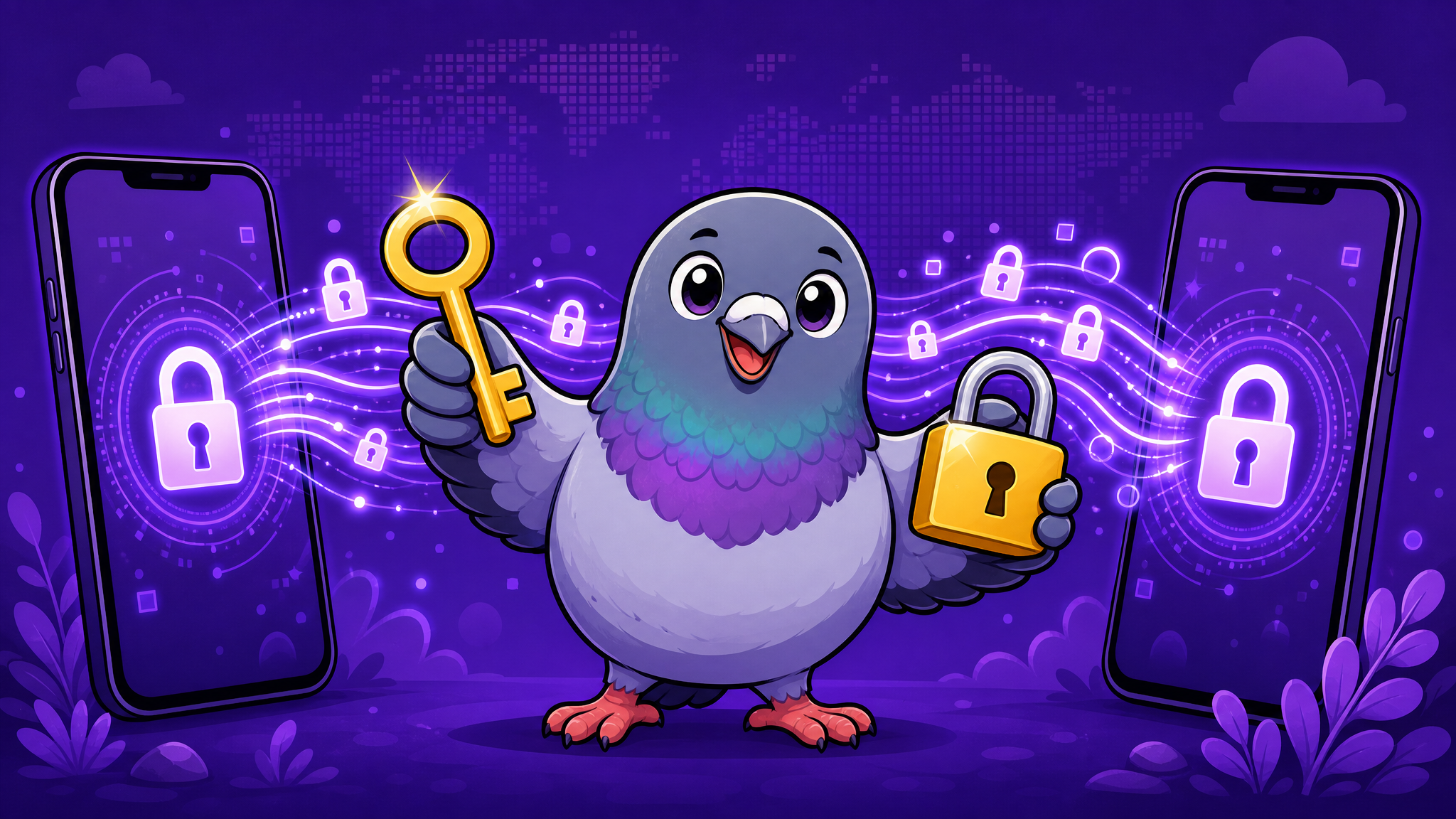
End-to-End Encryption Explained: How Secure Messaging Apps Protect Your Conversations
End-to-end encryption is the gold standard of messaging security. Learn exactly how it works, why it matters, and which messaging apps actually implement it properly.
Your Messages Are More Vulnerable Than You Think
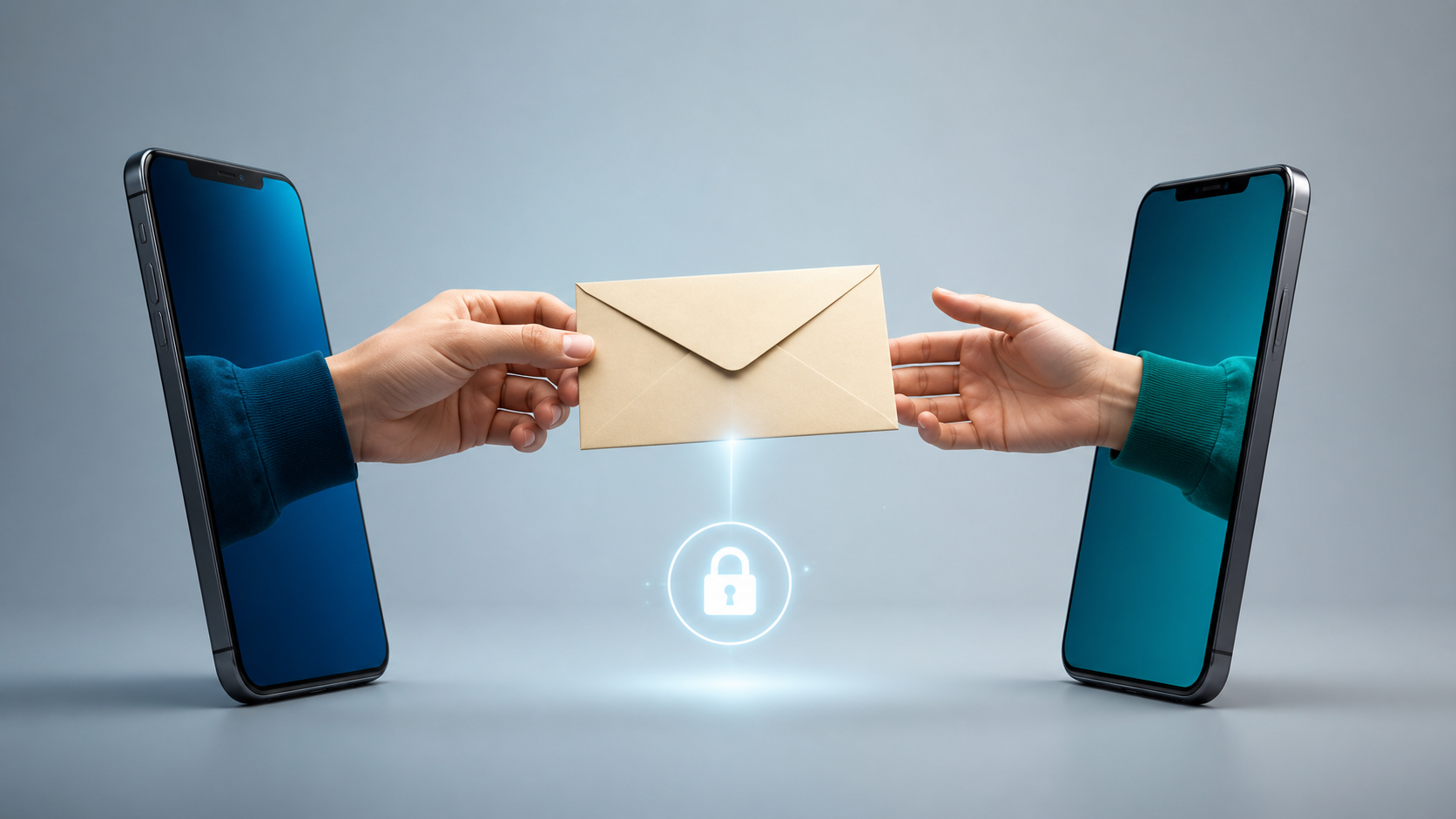
Every day, billions of messages travel across the internet. Without encryption, those messages are essentially postcards — readable by anyone who intercepts them. Your internet provider, the messaging company's servers, hackers on public Wi-Fi, and potentially government surveillance programmes can all read unencrypted messages. End-to-end encryption (E2EE) is the technology that turns those postcards into sealed, locked boxes that only you and your recipient can open.
How End-to-End Encryption Actually Works
The concept is elegant in its simplicity. When you send a message with E2EE:
- Your device generates a unique encryption key that is mathematically linked to your recipient's device
- Your message is encrypted on your device before it leaves — turning readable text into scrambled data
- The encrypted message travels through servers, routers, and networks as unreadable gibberish
- Only your recipient's device has the matching key to decrypt and read the message
The critical point: at no stage during transmission can anyone — including the app's own servers — read the message content. The server simply passes along data it cannot understand.
Not All Encryption Is Created Equal
Here is where it gets tricky. Many apps claim to use encryption, but the implementation matters enormously:
Encryption in transit (TLS) only protects your message while it is travelling. Once it reaches the server, it is decrypted and stored in readable form. The company can read it, law enforcement can request it, and hackers who breach the server can access it.
End-to-end encryption protects your message from the moment it leaves your device until the moment your recipient reads it. The server never sees the decrypted content.
Optional E2EE means you have to manually enable it for each conversation. If you forget, your messages are not protected. Genuinely secure apps enable E2EE by default for all messages.
The Metadata Problem
Even with perfect E2EE, metadata can reveal sensitive information. Metadata includes who you messaged, when, how often, and from where. While E2EE protects content, some apps still collect and store extensive metadata. Privacy-conscious apps like PigeonChat minimise metadata collection, because knowing that you messaged someone can be almost as revealing as knowing what you said.
What PigeonChat Does Differently
PigeonChat was designed with security as a foundation, not a feature. Privacy controls are granular and user-friendly — you choose who sees your information, how long media persists, and how your data is handled. Combined with disappearing messages, media expiry options, and a business model that does not depend on selling user data, PigeonChat delivers the kind of privacy that used to require technical expertise.
Why E2EE Matters for Everyone
You might think, "I have nothing to hide." But privacy is not about hiding — it is about autonomy. You close the bathroom door not because you are doing something wrong, but because some things are simply private. Your messages with your partner, your doctor, your therapist, your lawyer, and your closest friends deserve the same respect. End-to-end encryption provides that respect by default.

Writer & Editor at PigeonChat
Related Articles
What makes an end to end encryption chat app secure
What a fully compliant EU chat app should include
Why people search for a WhatsApp alternative without a number
What end to end encryption chat really protects
Why chat folders matter for busy group conversations