Telegram vs PigeonChat: Which Messaging App Is Right for You?
Telegram and PigeonChat both promise private messaging, but they take very different approaches. We compare features, privacy, and user experience to help you decide.
When it comes to choosing a private messaging app, two names increasingly come up in conversation: Telegram and PigeonChat. Both position themselves as privacy-conscious alternatives to mainstream platforms, but they take fundamentally different approaches. Let's break down the comparison.
Privacy: The Core Difference
Telegram's Approach
Telegram offers end-to-end encryption, but only in "Secret Chats" — a feature most users never activate. Regular chats, group conversations, and channels use server-client encryption, meaning Telegram's servers can technically access your messages. Telegram also requires a phone number for registration, linking your identity to your account.
PigeonChat's Approach
PigeonChat takes a simpler stance: privacy by default. There's no need to activate special modes or toggle hidden settings. Every conversation is designed with privacy in mind from the start. Registration requires only an email address — no phone number needed — giving users more control over their identity.
User Experience Comparison
Interface Design
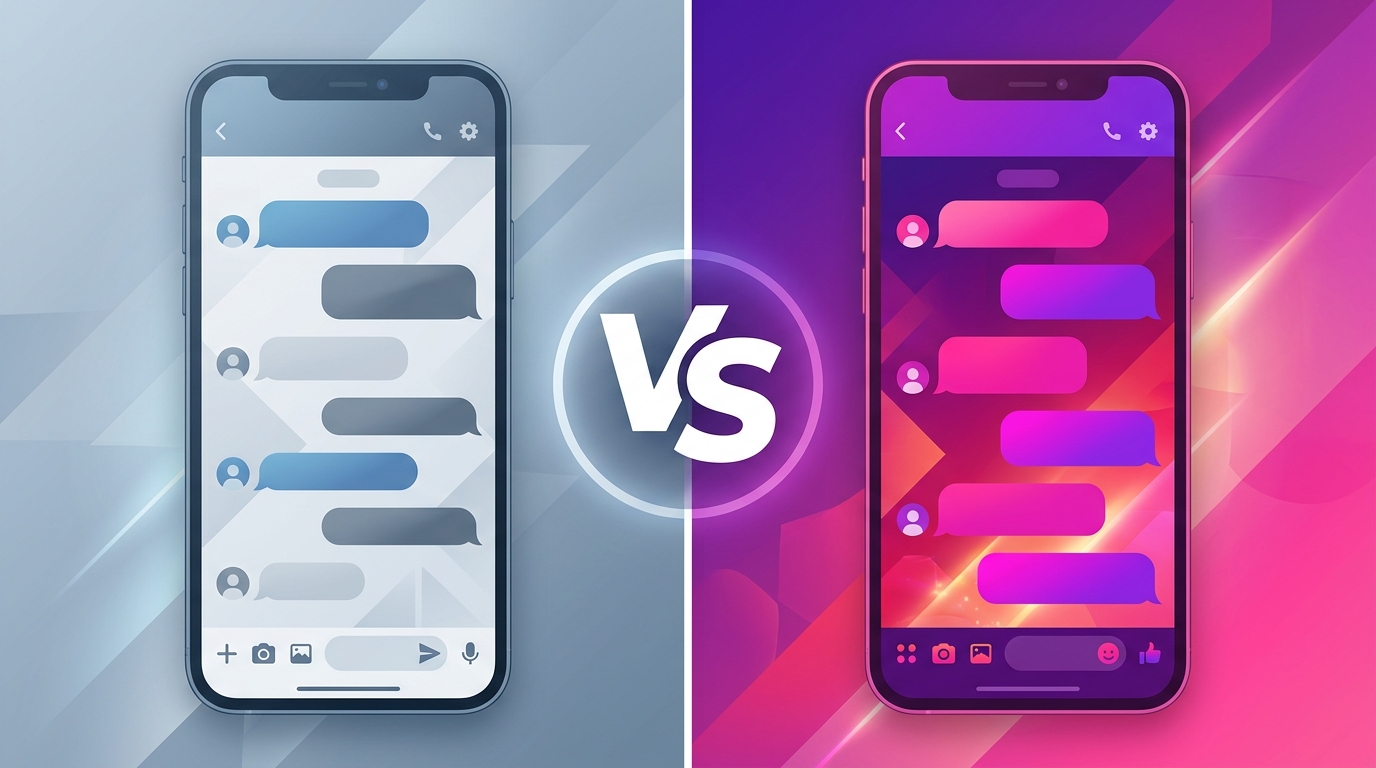
Telegram has evolved into a feature-rich platform with channels, bots, stories, and a built-in payment system. While powerful, this complexity can overwhelm new users. The interface is functional but dense.
PigeonChat takes a different philosophy: messaging should be simple and enjoyable. The clean, modern interface focuses on what matters — conversations. Features like sticker packs, typing indicators, read receipts, and media sharing are all present, but they don't clutter the experience.
Stickers and Expression
Both apps excel at self-expression, but in different ways:
- Telegram: User-created sticker packs, animated stickers, and custom emoji. The quantity is vast, but quality varies wildly.
- PigeonChat: Curated, professionally designed sticker packs featuring the beloved Pigeon mascot. Over 70 packs across themes like emotions, adventures, and elite collections — all maintaining consistent quality and charm.
Group Chats
Telegram supports groups of up to 200,000 members, making it more of a broadcasting platform. PigeonChat focuses on intimate group conversations — the kind you actually have with friends and family — with features like unread indicators, real-time typing status, and smooth media sharing.
Platform Availability
Both apps are available across platforms:
- Telegram: Native apps for iOS, Android, Windows, macOS, Linux, and web
- PigeonChat: Progressive Web App (PWA) that works on all platforms through the browser, with installable app experience on Android and desktop. No app store download required.
Business Model
Understanding how an app makes money reveals a lot about its priorities:
- Telegram: Telegram Premium subscription ($4.99/month), in-app ads in channels, and Stars virtual currency for content creators. The advertising model raises questions about data usage.
- PigeonChat: Simple premium subscription for exclusive stickers and features. No ads, no data monetisation, no cryptocurrency schemes.
The Verdict
Choose Telegram if you need massive group channels, bot integrations, or a platform for content distribution.
Choose PigeonChat if you want a focused, private messaging experience with curated content, simple design, and genuine privacy without complicated settings.
Both apps serve different needs. But if your priority is having real, private conversations with the people who matter most, PigeonChat is built exactly for that.

Writer & Editor at PigeonChat
Related Articles

What a European chat app should offer now

What an EU chat app needs beyond privacy claims
What a browser-based end to end encryption chat app needs

How PigeonChat.site fits the EU privacy app search

Why browsers are becoming the new private chat home