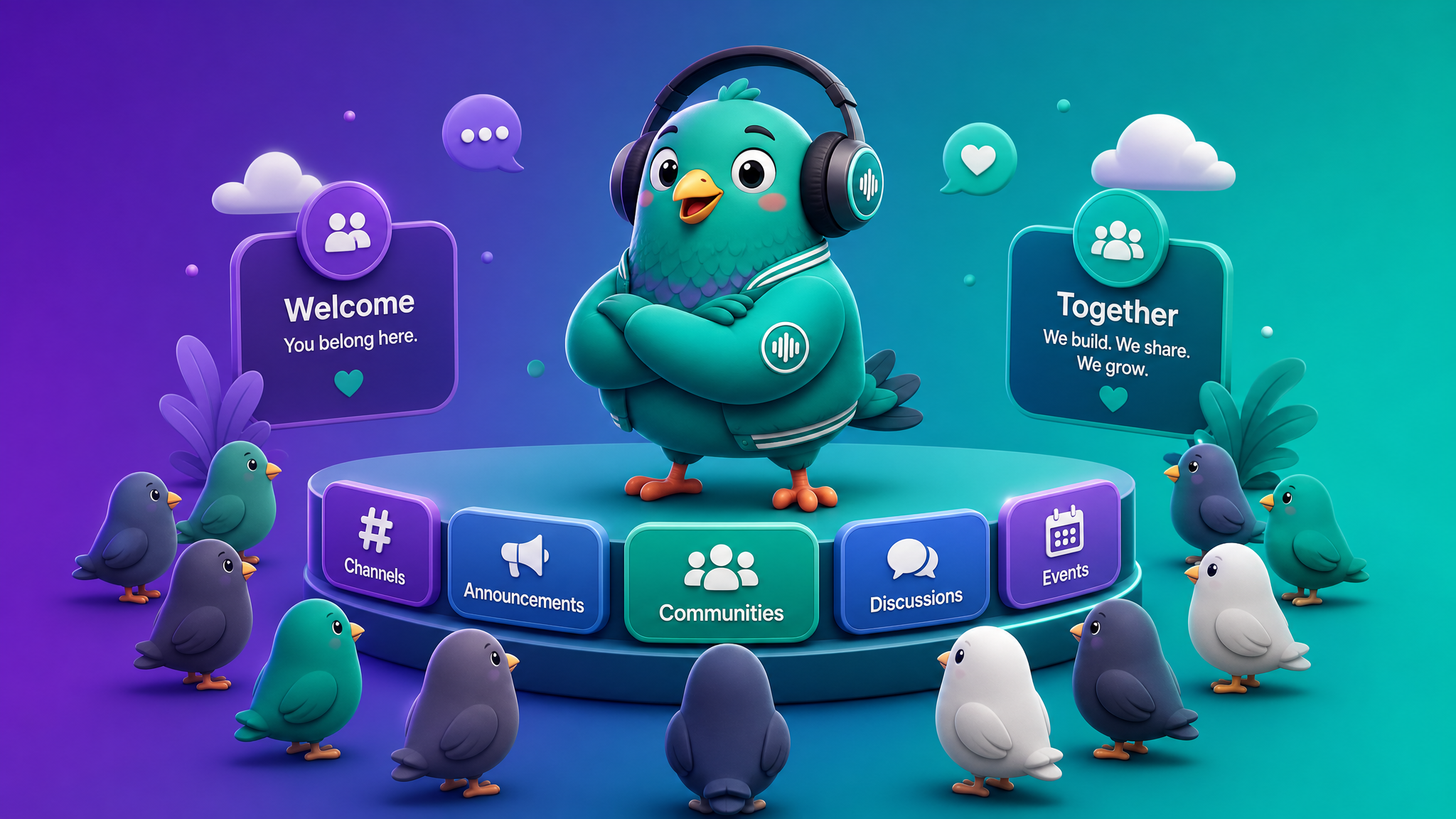
Why Communities Are Moving from Discord to PigeonChat Channels
Discord built the community platform everyone needed, then buried it in complexity, ads, and questionable data practices. PigeonChat Channels offer a cleaner, privacy-respecting alternative that communities are discovering in 2026.
Discord Was Revolutionary — Until It Wasn't
Discord changed online communities forever. What started as a voice chat tool for gamers evolved into the de facto platform for communities of every kind: study groups, crypto projects, art collectives, open-source development, fan clubs, and professional networks. At its peak, Discord felt like the future of community building.
But in 2026, the cracks in Discord's foundation are impossible to ignore. Community leaders, moderators, and members are increasingly frustrated with a platform that has grown too complex for its own good while simultaneously making decisions that prioritise revenue over community health.
PigeonChat Channels did not set out to replace Discord. They set out to build what community-first messaging should look like when you start from scratch with modern priorities. But the result is a platform that growing numbers of Discord refugees are calling home.
The Discord Problems That Are Driving Communities Away
Complexity Overload
Discord has become so feature-dense that new users face a genuine learning curve. Servers have channels, threads, forums, stages, events, roles, permissions, bots, integrations, and dozens of configuration options. For community leaders, managing a Discord server has become a part-time job.
This complexity creates real problems:
- New member friction — Newcomers struggle to navigate complex channel structures and find relevant conversations
- Moderator burnout — Managing permissions, bots, and channel hierarchies requires constant attention and technical knowledge
- Signal-to-noise ratio — The more channels and features a server has, the harder it becomes to maintain focused, quality conversations
- Feature bloat — Most communities use 20% of Discord's features but must navigate 100% of its interface
Privacy Concerns That Cannot Be Dismissed
Discord's data collection practices have become increasingly aggressive:
- Message scanning — Discord scans messages for content moderation, but the extent of analysis and data retention raises concerns
- Behavioural tracking — Discord collects detailed analytics on how users interact with servers, channels, and features
- Third-party data sharing — Discord's advertising partnerships involve sharing user behaviour data with external companies
- Bot data exposure — Popular Discord bots often collect and store message data with minimal transparency about how it is used
The Nitro Push and Monetisation Pressure
Discord's push to monetise through Nitro subscriptions and server boosting has created a two-tier experience. Free users see ads, have limited upload sizes, reduced video quality, and restricted customisation. Server boosting creates a pay-to-unlock dynamic that can feel exploitative.
How PigeonChat Channels Solve These Problems
Focused Simplicity Over Feature Sprawl
PigeonChat Channels are designed around a core principle: every feature should serve community engagement, not complicate it. The channel system offers:
- Clean posting interface — Channel owners create posts with rich formatting, media, and interactive content without navigating complex channel hierarchies
- Native engagement tools — Full emoji reactions on posts encourage participation without requiring bot setup or custom integrations
- Channel folders — Users organise their subscribed channels into personal folders, keeping their experience clean regardless of how many channels they follow
- Intuitive discovery — Finding and joining channels is straightforward, with no overwhelming server navigation to learn
PigeonChat's approach means a community leader can set up a functioning channel in minutes rather than hours. Members can join and start participating immediately without watching tutorial videos or reading documentation.
Live Streaming That Builds Connection
One of PigeonChat's most compelling channel features is built-in live streaming with real-time chat. Discord has Stage Channels and Go Live, but PigeonChat's implementation integrates streaming directly into the channel experience:
- Stream to your followers — No separate platform needed, no linking external streaming services
- Real-time live chat — Viewers interact during streams, creating genuine community moments
- No tier restrictions — Streaming is not locked behind premium subscriptions or server boost levels
For community builders who want to host live events, AMAs, tutorials, or casual hangouts, PigeonChat's integrated approach eliminates the friction of managing multiple platforms.
Privacy That Communities Can Trust
PigeonChat's privacy-first architecture addresses the concerns that are driving communities away from Discord:
- Minimal data collection — No behavioural tracking or advertising-driven data harvesting
- Transparent practices — Clear policies about what data exists and how it is used
- No advertising platform — PigeonChat's business model does not depend on selling user data or attention to advertisers
- Native moderation — Built-in reporting and moderation tools that do not require granting third-party bots access to message data
Moderation Without the Complexity
Discord moderation typically involves setting up multiple bots, configuring AutoMod rules, managing dozens of roles with granular permissions, and constantly adjusting settings as the community grows. PigeonChat's native moderation tools handle the essentials without bot dependency:
- Content reporting — Members can report posts and messages through a built-in system
- Member management — Channel owners can manage followers and moderate discussions directly
- Post moderation — Review and manage channel content without third-party tools
The result is moderation that works out of the box rather than moderation that requires a computer science degree to configure.
The Community Migration Pattern
Communities are not switching from Discord to PigeonChat overnight. The typical migration pattern looks like this:
- Frustration builds — Community leaders become tired of managing Discord complexity, dealing with bot breakages, or worrying about privacy policies
- Secondary presence — The community creates a PigeonChat channel as a secondary or backup presence
- Active members migrate — The most engaged members discover that PigeonChat's simpler, more focused experience is actually more enjoyable
- Primary platform shift — As the PigeonChat community grows and engagement quality improves, it becomes the primary community home
This pattern repeats because PigeonChat's advantages become more apparent with use. The simplicity that initially seems like a limitation reveals itself as a strength when compared to Discord's overwhelming complexity.
Who Should Stay on Discord
Discord remains the better choice for specific use cases:
- Gaming communities that rely heavily on voice chat integration and game-specific features
- Developer communities that depend on extensive bot ecosystems for automation, CI/CD integrations, and workflow management
- Very large communities (50,000+) that need Discord's proven infrastructure for massive-scale real-time communication
- Communities that use forum channels extensively as an asynchronous discussion platform
Who Should Consider PigeonChat Channels
PigeonChat Channels are ideal for:
- Content creators who want to engage directly with their audience through posts, live streams, and reactions without platform complexity
- Privacy-conscious communities that do not want their members' data harvested for advertising
- Interest-based groups that need a clean, focused space for quality discussions rather than a sprawling server with dozens of inactive channels
- Educators and professionals who want a platform their audience can join without a steep learning curve
- Community builders starting fresh who want to build on a modern foundation rather than inheriting Discord's accumulated complexity
The Bigger Picture: What Communities Actually Need
The community platform landscape in 2026 reflects a broader shift in what people want from their online spaces. The era of "more features equals better platform" is giving way to a new philosophy: the right features, well-implemented, with genuine respect for users' privacy and attention.
Discord built something revolutionary. But it has grown into something that serves its business model more than its communities. PigeonChat Channels represent what community messaging looks like when the priority is community experience rather than monetisation through complexity.
Your community deserves a platform that works for it, not one that works your community for engagement metrics and advertising data.
Start building your community the right way. Create your PigeonChat Channel today.

Writer & Editor at PigeonChat
Related Articles
The Best Chat App for Students, Communities, and Groups in 2026

School Messaging Platforms in 2026: Secure Communication for Education
Phonathon and Messaging: How Chat Apps Are Transforming Fundraising Outreach in 2026
PigeonChat Forum: Building Community Through Private, Meaningful Conversations
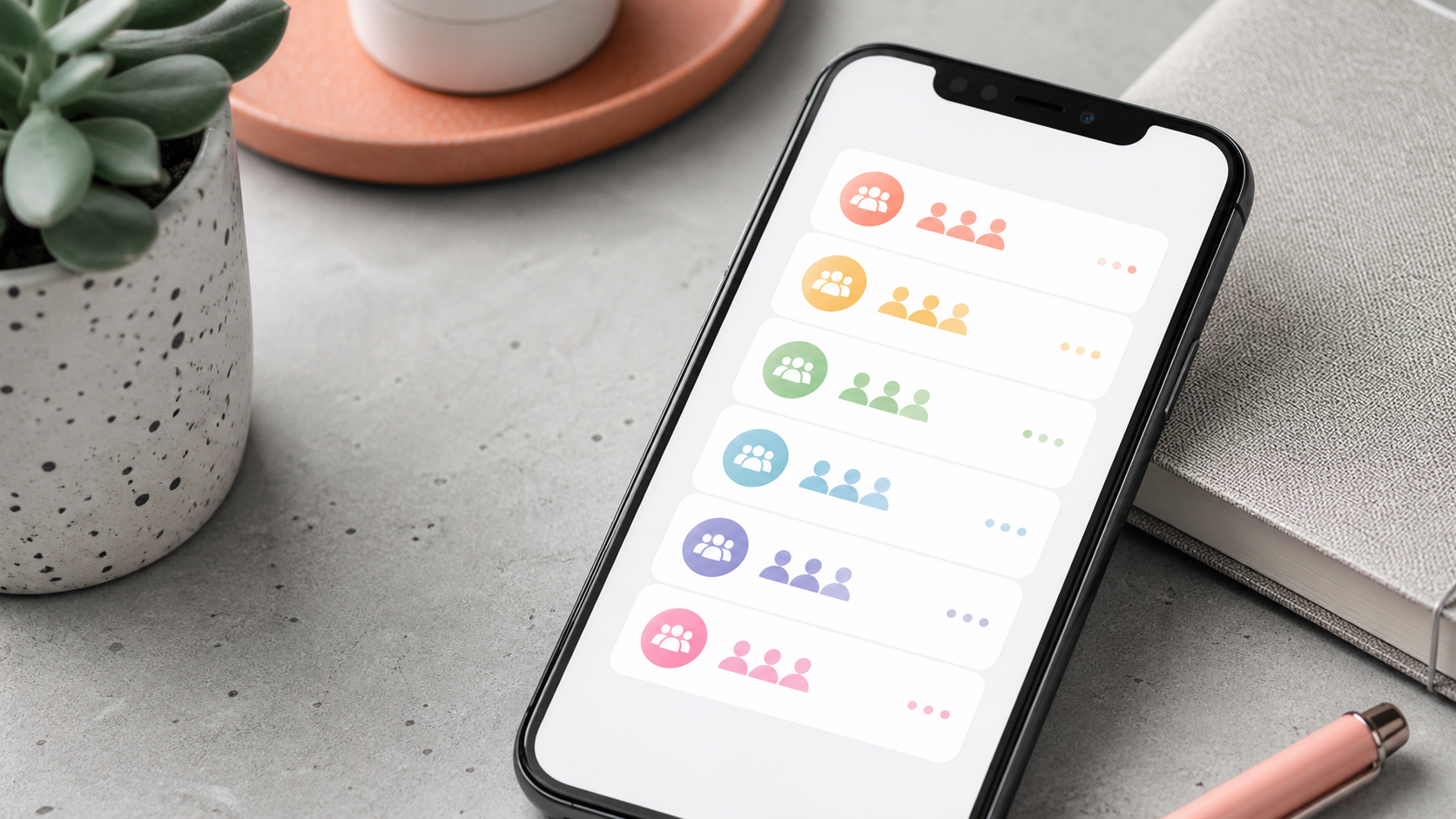
Why chat folders matter for busy group conversations