
Wire vs PigeonChat 2026: Enterprise Security Meets Personal Connection
Wire built its reputation on enterprise-grade security. PigeonChat combines strong encryption with features people actually enjoy. Which approach better serves modern communication?
Two Encrypted Messengers, Two Different Audiences
Wire launched in 2014 with impressive pedigree — founded by Skype co-founder Janus Friis and built by a team of engineers who had worked at Skype, Apple, and Microsoft. The app initially positioned itself as a beautiful, encrypted messenger for everyone. Over the years, Wire has increasingly pivoted toward enterprise clients, particularly government agencies and regulated industries.
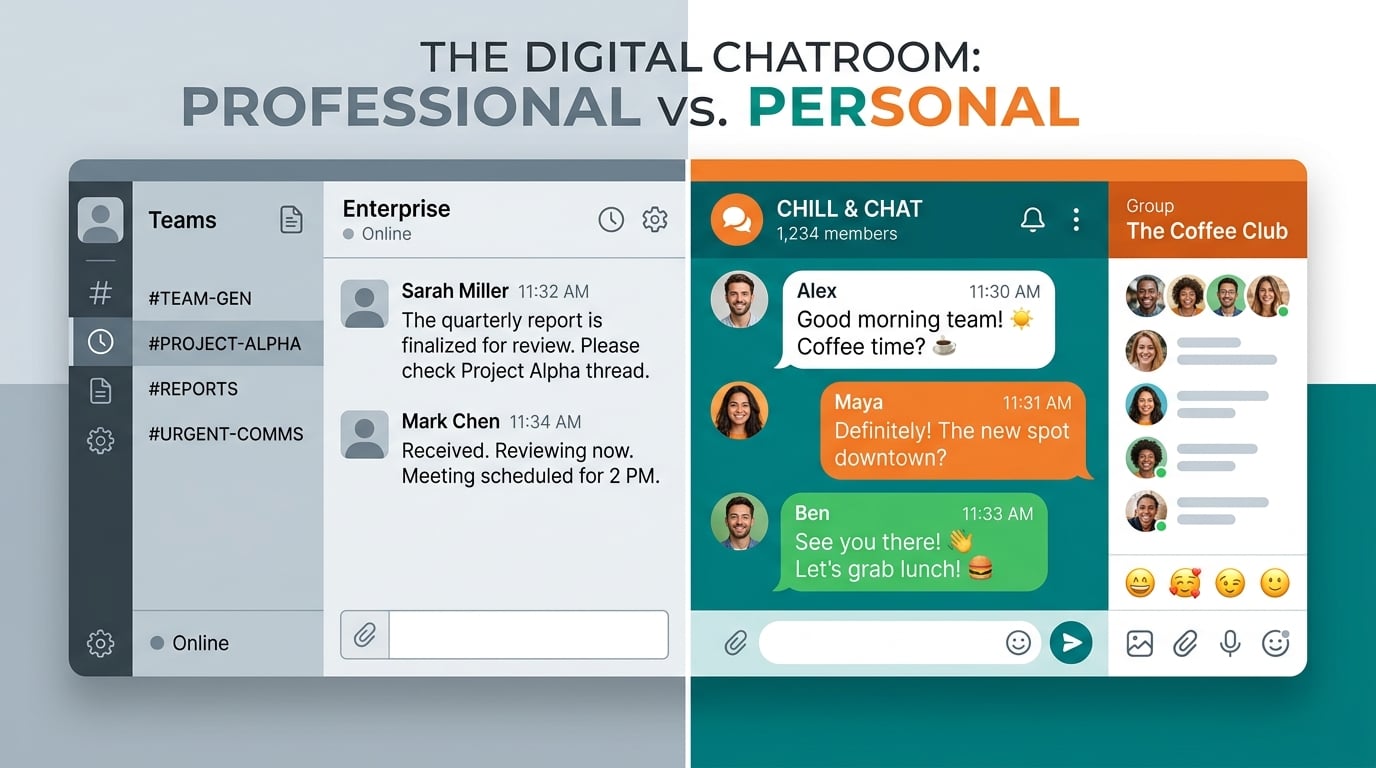
PigeonChat entered the market with a clear focus on personal and community communication. While both apps share a commitment to end-to-end encryption, their trajectories have diverged significantly. Wire has become more corporate; PigeonChat has become more social. Understanding this divergence is key to choosing the right platform for your needs.
Encryption and Security Standards
Wire uses the Proteus protocol (based on Signal's protocol) for end-to-end encryption. The implementation is well-regarded and has been independently audited. Wire is open-source, headquartered in Germany (previously Switzerland), and complies with EU data protection regulations. The company holds ISO 27001 certification and SOC 2 Type II compliance — enterprise security certifications that few messaging companies pursue.
PigeonChat implements end-to-end encryption for all messages using established cryptographic standards. While PigeonChat hasn't pursued the same enterprise certifications as Wire, the practical security for individual users is comparable. Both apps ensure that only the sender and recipient can read messages — the platform operator cannot decrypt them.
Where Wire notably leads is in enterprise-specific security features: centralized device management, guest access controls, compliance exports, and integration with enterprise identity providers (SSO/SCIM). These features matter for organizations but are largely irrelevant for personal use.
The Personal Messaging Experience
Wire's personal messaging has become increasingly sparse as the company focuses on enterprise. The free personal tier has seen limited feature development in recent years. Basic messaging, calls, and file sharing work, but there's little innovation in the consumer product. The interface is clean and minimalist — some would say austere.
PigeonChat's personal messaging experience is vibrant and continually evolving:
- Animated stickers with expressive pigeon mascot characters
- Stories with engagement analytics
- Channels for community building and content distribution
- Live streaming integrated into channels
- Message reactions, editing, and deletion
- Auto-disappearing messages with configurable timers
- Full conversation search
- Self-chat for personal notes and reminders
The difference in personal messaging investment is visible. Wire's consumer product feels maintained but not loved. PigeonChat's consumer product feels actively developed and cared for.
Group and Team Communication
Wire's group features are designed with enterprise teams in mind. Conversations, guest rooms for external collaborators, and screen sharing during calls serve professional use cases well. The interface supports switching between personal and enterprise accounts, allowing users to keep work and personal communication separate within the same app.
PigeonChat's group features are designed for communities and friend groups. Admin controls for banning, restricting, and muting members handle moderation needs. The channel system supports large communities with follower counts and organized content. Live streaming within channels enables real-time community engagement.
For team communication in a professional setting, Wire's features are more appropriate. For community building and social group management, PigeonChat is substantially better equipped.
Cross-Platform and Device Support
Wire supports iOS, Android, web browsers, Windows, macOS, and Linux. The multi-device experience is smooth, and Wire was one of the first encrypted messengers to support up to 8 simultaneous device connections. The desktop apps are well-built Electron applications that feel relatively native.
PigeonChat offers iOS, Android, web, and desktop support. The web app is particularly strong — it functions as a full-featured client that doesn't require a phone connection. Both platforms handle multi-device messaging well, though Wire's support for more simultaneous devices gives it a slight edge for users with many devices.
Pricing and Business Model
Wire's pricing tells the story of its strategic direction. The personal tier remains free but feature-limited. Wire's revenue comes from enterprise customers paying per-user monthly fees for Wire Enterprise (which includes compliance features, administration tools, and dedicated support). This business model means Wire's development resources are allocated toward enterprise features, not consumer innovation.
PigeonChat's freemium model includes all core messaging features for free, with premium subscriptions unlocking enhanced capabilities like additional sticker packs and increased file sharing limits. This model aligns the company's incentives with consumer satisfaction — PigeonChat grows by making the personal messaging experience worth upgrading.
The Future Trajectory Question
Wire's trajectory is clearly toward enterprise. The company's blog posts, job listings, and product updates overwhelmingly focus on enterprise features, compliance certifications, and government deployments. This is a viable business strategy, but it signals that personal users are not the priority audience.
PigeonChat's roadmap is consumer-focused. New sticker packs, Stories enhancements, channel features, and community tools indicate continued investment in the personal messaging experience. For a user choosing a primary personal messenger, the platform that prioritizes personal users is the safer long-term bet.
Making the Decision
Choose Wire if: your primary need is secure team communication for a business, you need enterprise compliance features (ISO 27001, SOC 2), you work in a regulated industry that requires specific security certifications, or you need the ability to separate personal and enterprise accounts within one app.
Choose PigeonChat if: you want a personal messenger that combines encryption with an engaging user experience, you value community features and creative expression tools, you prefer a platform that actively invests in consumer features, or you want a free messaging app that doesn't limit core functionality behind a paywall.
Wire is an excellent enterprise communication tool. PigeonChat is an excellent personal communication tool. The choice depends entirely on which need you're trying to fill. For most individuals choosing a daily messenger, PigeonChat's combination of security, features, and personality is the more compelling package.

Writer & Editor at PigeonChat
Related Articles

Viber, Telegram, and Messenger compared for private chat

Signal alternative chat app: what users actually want
What a true WhatsApp alternative should include

WhatsApp, Signal, Viber, and Telegram compared

Why chat folders matter for busy group conversations