
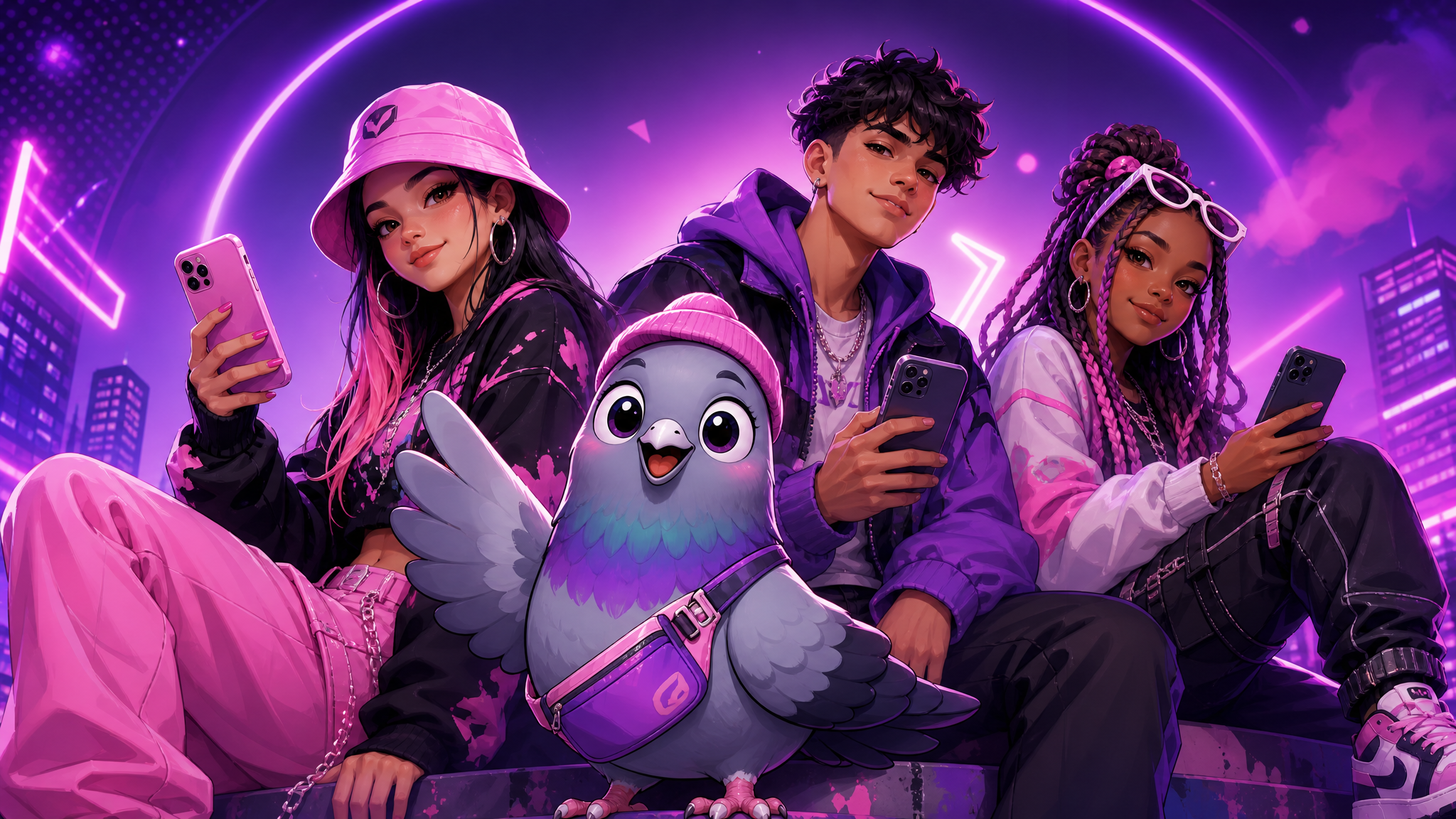
Why Gen Z Is Abandoning Social Media for Private Messaging Apps
Gen Z is leaving Instagram, TikTok, and Twitter for private group chats and messaging apps. Discover the cultural shift behind the move to intimate digital spaces and what it means for the future of online communication.
Something unexpected is happening in the digital world: the generation that grew up on social media is actively choosing to leave it. Gen Z — born between 1997 and 2012 — is migrating en masse from public platforms like Instagram, TikTok, and X (Twitter) to private messaging apps, group chats, and intimate digital spaces.
This isn't a hypothetical trend. A 2025 Pew Research study found that 42% of Gen Z users aged 18-25 had deleted at least one social media account in the previous year. Instagram's engagement rate among under-25s dropped 23% year-over-year. Meanwhile, messaging app usage among the same demographic surged 31%.
The question isn't if this shift is happening — it's why, and what it means for how we all communicate.
The Social Media Burnout
Performative Exhaustion
Social media demands performance. Every post is a micro-broadcast to hundreds or thousands of followers. Every photo requires curation. Every caption needs to be witty, vulnerable, or provocative enough to earn engagement. For Gen Z, who've been performing since childhood, the exhaustion is real.
"I used to spend 30 minutes editing a photo before posting it," says Maria, 22, a university student. "Then I'd spend the next hour checking likes and comments. It wasn't fun anymore — it was pressure."
The Algorithm Problem
Algorithmic feeds create anxiety loops. Did the algorithm suppress my post? Why did my story only get 50 views when my friend's got 500? Am I being shadowbanned? This constant uncertainty turns social media from a creative outlet into a source of stress.
Private messaging apps eliminate this entirely. When you send a message in a group chat, everyone sees it. Period. No algorithm decides whether your words are worthy of distribution.
Mental Health Awareness
Gen Z is the most mental-health-conscious generation in history. They understand that social comparison, cyberbullying, and infinite scrolling damage psychological wellbeing. The correlation between social media use and anxiety/depression is well-documented, and Gen Z is acting on the research.
Messaging apps provide social connection without the toxic comparison loops. You're talking to people who know you, care about you, and chose to be in your digital space.
The Rise of "Dark Social"
What Is Dark Social?
Dark social refers to content sharing that happens through private channels — messaging apps, direct messages, email — rather than public posts. Marketers coined the term because they can't track this sharing, but for users, dark social is simply how people naturally prefer to communicate.
Studies estimate that 84% of content sharing now happens through dark social channels. That meme your friend showed you? It didn't go through their Instagram feed — it was sent directly in a group chat. That restaurant recommendation? It came through a messaging app, not a public review.
The Group Chat as Social Network
For Gen Z, the group chat IS the social network. Not Instagram. Not TikTok. The real social life happens in:
- The core friend group chat — 4-8 people, active daily, the digital equivalent of your dinner table
- The extended circle chat — 15-30 people, active weekly, former classmates or shared-interest groups
- The interest-based chat — Niche communities around gaming, fashion, music, or activism
- The meme channel — Dedicated spaces for sharing content without the pressure of creating it
These intimate spaces provide everything social media promised — connection, expression, community — without the surveillance, comparison, and algorithmic manipulation.
What Gen Z Wants in a Messaging App
Privacy Without Paranoia
Gen Z doesn't want to manage complex encryption settings or read white papers on cryptographic protocols. They want an app that simply respects their privacy by default. No phone number requirements, no data harvesting, no ads based on their conversations.
PigeonChat was built for exactly this expectation: sign up with email, no metadata collection, no ads. Privacy isn't a feature to toggle on — it's the foundation.
Self-Expression Tools
If Gen Z is moving their social life to messaging, they need rich expression tools. Stickers, emoji reactions, GIFs, voice messages, photo/video sharing — these aren't frivolous features. They're the vocabulary of digital intimacy.
PigeonChat's 70+ sticker packs, 12-emoji reaction system, and rich media sharing address this directly. When your group chat is your social network, the quality of expression tools matters enormously.
Cross-Platform Accessibility
Gen Z switches between devices constantly — phone at school, Chromebook for homework, gaming PC at home. A messaging app that only works on one platform loses them. Progressive Web Apps (PWAs) like PigeonChat that work seamlessly across every device and browser are perfectly aligned with this multi-device lifestyle.
No Algorithmic Feed
Gen Z is tired of algorithms deciding what they see. In a messaging app, the timeline is chronological. Every message appears in order. There's no "Suggested Posts" or "You Might Like" injecting content you didn't ask for. The simplicity is the feature.
The Implications for Culture and Commerce
Brands Can't Reach Gen Z the Old Way
If Gen Z is spending more time in private chats than on public feeds, traditional social media marketing loses its audience. Brands will need to create genuinely shareable content that people want to send in their group chats — not just optimise for algorithmic reach.
Influencer Culture Is Fragmenting
The mega-influencer model depends on large public audiences. As those audiences shift to private channels, influence becomes more distributed. The person who recommends a product in your group chat has more impact than a TikToker with a million followers.
News Discovery Is Changing
Gen Z doesn't get news from news websites or TV. They get it from their group chats. A friend shares an article, a discussion happens, opinions form. Messaging apps are becoming the primary news discovery and discussion platform for young adults.
Is This Just a Gen Z Thing?
No. While Gen Z is leading the shift, millennials and even Gen X are following. The pandemic accelerated private-chat culture across all demographics. Family group chats, neighbourhood groups, work team chats — the messaging-first social experience is becoming universal.
The difference is that Gen Z is the first generation to consciously choose private messaging over public social media. Older generations added messaging alongside their social media. Gen Z is replacing it.
The Future of Social Is Private
The next decade of digital social life won't be defined by followers, likes, and viral moments. It'll be defined by the quality of your group chats, the intimacy of your conversations, and the trust you build in private digital spaces.
PigeonChat is built for this future. A private messaging app that combines privacy, personality, and genuine connection — without the performative pressure of social media.
Your real social life is already in your group chats. Make them better with PigeonChat →

Writer & Editor at PigeonChat
Related Articles

What pigeon chat means in searches and app discovery

Why people search for the best chat app UAE option

Why people search for a pigeon chat app online

Why users search for a pigeon chat app online

What a European chat app should offer now