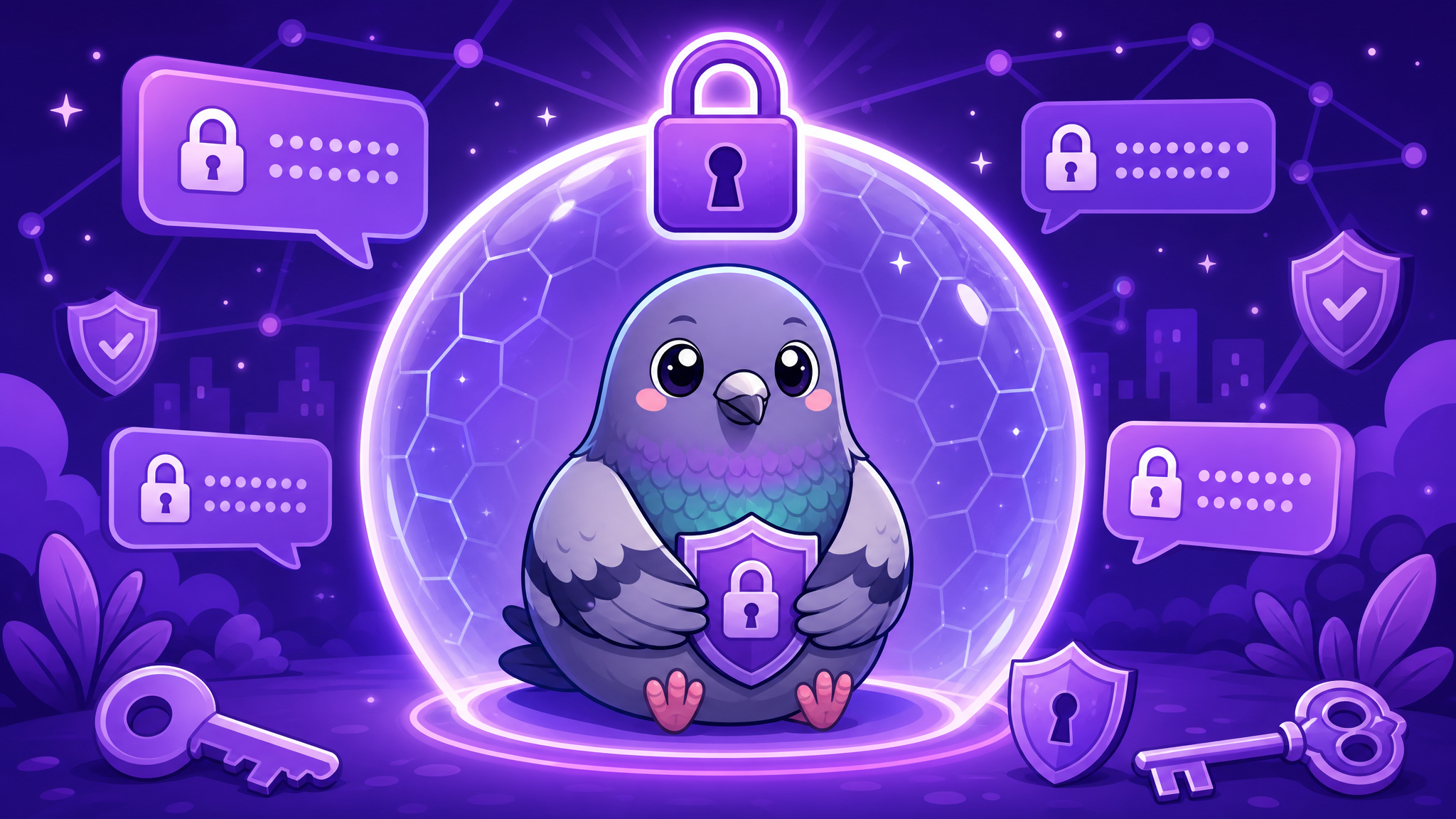
Private Messaging App: The Complete Guide to Secure Communication in 2026
Not all private messaging apps are created equal. Learn what truly makes a messaging app private, which features matter most, and how to protect your conversations.
What Does "Private Messaging" Actually Mean?
The phrase "private messaging app" gets thrown around a lot, but genuine privacy in messaging goes far deeper than a padlock icon on your chat screen. True private messaging means your conversations cannot be read by anyone other than the intended recipients — not the app developers, not the hosting company, not government agencies, and certainly not advertisers.
In 2026, with data breaches making headlines weekly and surveillance technology advancing rapidly, understanding what makes a messaging app truly private is not paranoia — it is common sense.
The Three Pillars of Messaging Privacy
Every genuinely private messaging app must deliver on three fundamental pillars:
1. End-to-End Encryption
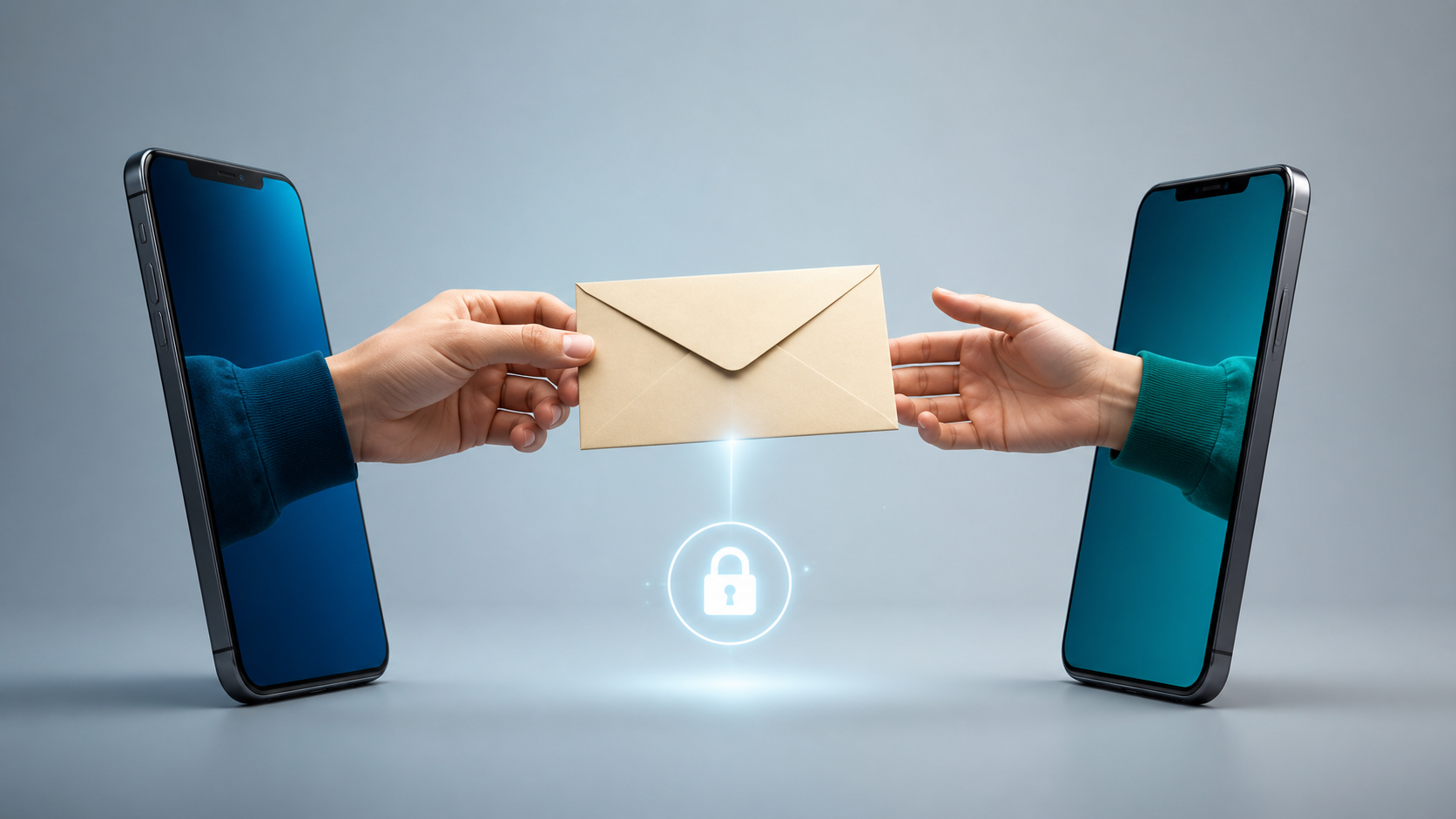
This is the baseline. End-to-end encryption (E2EE) ensures that messages are encrypted on your device and can only be decrypted by the recipient's device. Not even the server that transmits the message can read its contents. But beware: some apps only enable E2EE for "secret chats" while leaving regular conversations exposed. A truly private messenger encrypts everything by default.
2. Minimal Data Collection
Encryption protects message content, but what about metadata? Metadata reveals who you talk to, when, how often, and for how long. Some apps encrypt your messages while simultaneously harvesting metadata to build advertising profiles. A privacy-first app collects the absolute minimum data needed to deliver your messages — and nothing more.
3. User-Controlled Privacy Settings
Privacy is not one-size-fits-all. Some users want maximum anonymity; others want convenience with reasonable protection. The best private messaging apps give you granular control: choose who can see your profile information, set messages to auto-delete, control group invite permissions, and decide whether to share read receipts.
Why PigeonChat Takes Privacy Seriously
PigeonChat was built with privacy as a core principle, not an afterthought. Every feature — from group chats to stories to channels — is designed with your privacy in mind. You control who sees your email, phone number, and last-seen status. Media can be set to auto-delete after a customisable timer. And unlike apps that monetise your data, PigeonChat's business model does not depend on knowing your secrets.
Common Privacy Mistakes Users Make
Even the most secure messaging app cannot protect you from your own habits. Here are the most common mistakes:
- Using the same password everywhere — If your messaging app password is the same as your compromised email password, encryption means nothing
- Ignoring app permissions — Does your messenger really need access to your contacts, location, and camera at all times?
- Backing up to unencrypted clouds — Your encrypted messages lose all protection when backed up to an unencrypted cloud service
- Clicking suspicious links in chats — Phishing attacks target messaging apps just as aggressively as email
- Not updating the app — Security patches fix vulnerabilities. Outdated apps are open doors for attackers
The Privacy-Feature Trade-off Is a Myth
For years, people accepted that privacy-focused apps must be bare-bones and unfriendly. Signal proved that secure messaging could be simple. PigeonChat proves that secure messaging can also be feature-rich, fun, and beautiful. You should never have to choose between privacy and a great user experience.
Making the Switch to Private Messaging
Switching to a private messaging app does not mean losing your social life. Start by installing PigeonChat alongside your current app. Invite close friends and family first. As more people join, you will naturally spend more time in the app that respects your privacy. The transition is gradual, painless, and ultimately rewarding. Your future self — the one whose data was never sold to advertisers — will thank you.

Writer & Editor at PigeonChat
Related Articles
What makes an end to end encryption chat app secure
What a fully compliant EU chat app should include
Why people search for a WhatsApp alternative without a number
What end to end encryption chat really protects
Why chat folders matter for busy group conversations