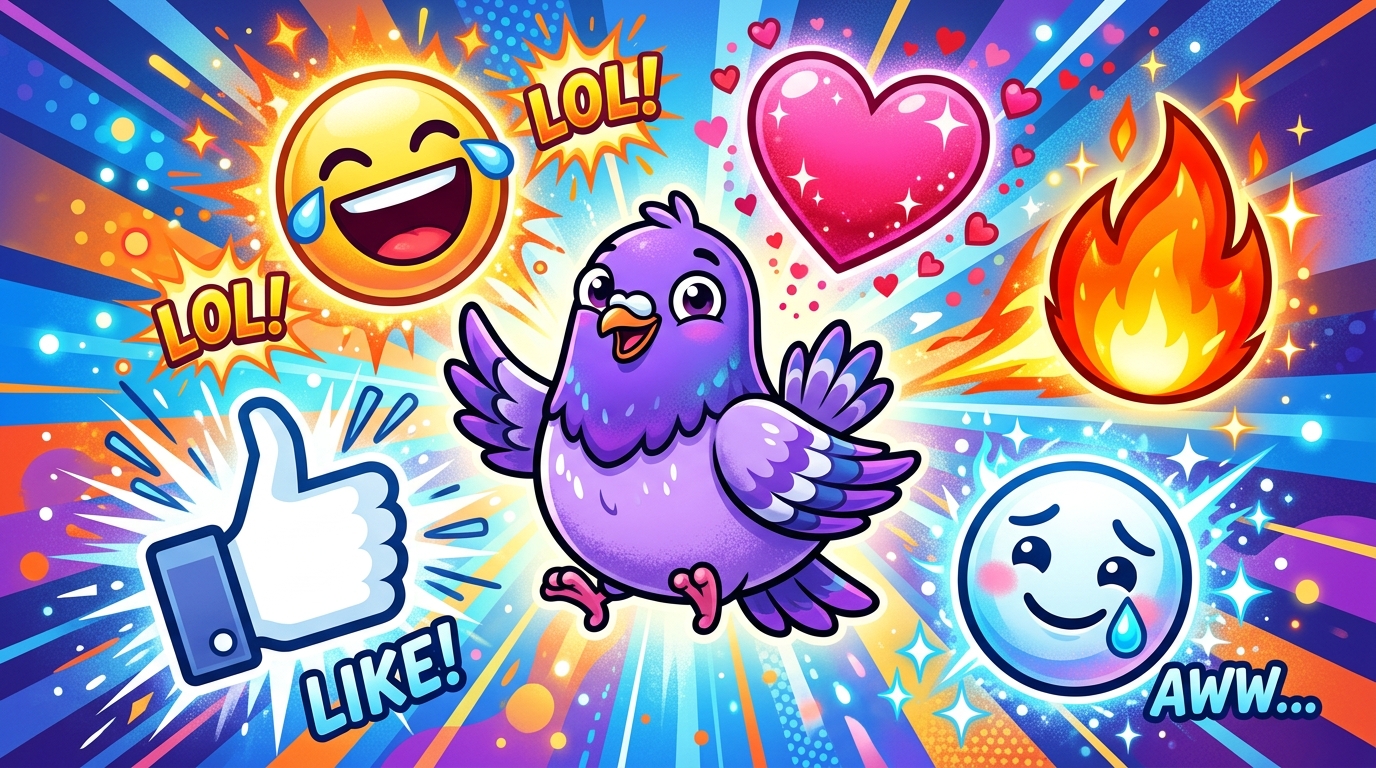
The Power of Reactions: Why One Emoji Response Can Mean More Than a Paragraph
Message reactions have become a language of their own. Discover why a simple heart or thumbs-up carries surprising emotional weight in our conversations.
Double-tap to react. Long-press for options. In just a few years, message reactions have evolved from a nice-to-have feature into a fundamental communication tool that can express what words sometimes can't.
The Efficiency Factor
Reactions solve the eternal messaging dilemma: "Do I need to respond to this?" A quick ❤️ acknowledges a message without starting a new conversation thread. It's the digital equivalent of a nod — brief but meaningful.
Emotional Amplification
When someone reacts to your message with a heart, it hits differently than a "that's nice" reply. Reactions feel more genuine and spontaneous because they're quick, unedited emotional responses.
The Reaction Hierarchy
Not all reactions are created equal:
- ❤️ Heart: The strongest positive reaction — love, deep appreciation
- 😂 Laugh: Genuine amusement, social bonding
- 🔥 Fire: Excitement, hype, "this is amazing"
- 👍 Thumbs up: Acknowledgment, agreement (context-dependent)
- 😢 Sad: Empathy, "I'm sorry to hear that"
When Reactions Replace Conversations
There's a fine line between efficient and dismissive. While reactions are perfect for acknowledgment, important conversations still deserve thoughtful replies.
React, reply, and express yourself freely on Pigeon.

Writer & Editor at PigeonChat
Related Articles
Cute Stickers, Anime & Emojis: The Most Fun Messaging App in 2026
Free Cute Stickers & Anime Chat Community: Why PigeonChat Is the Fun Messaging App of 2026
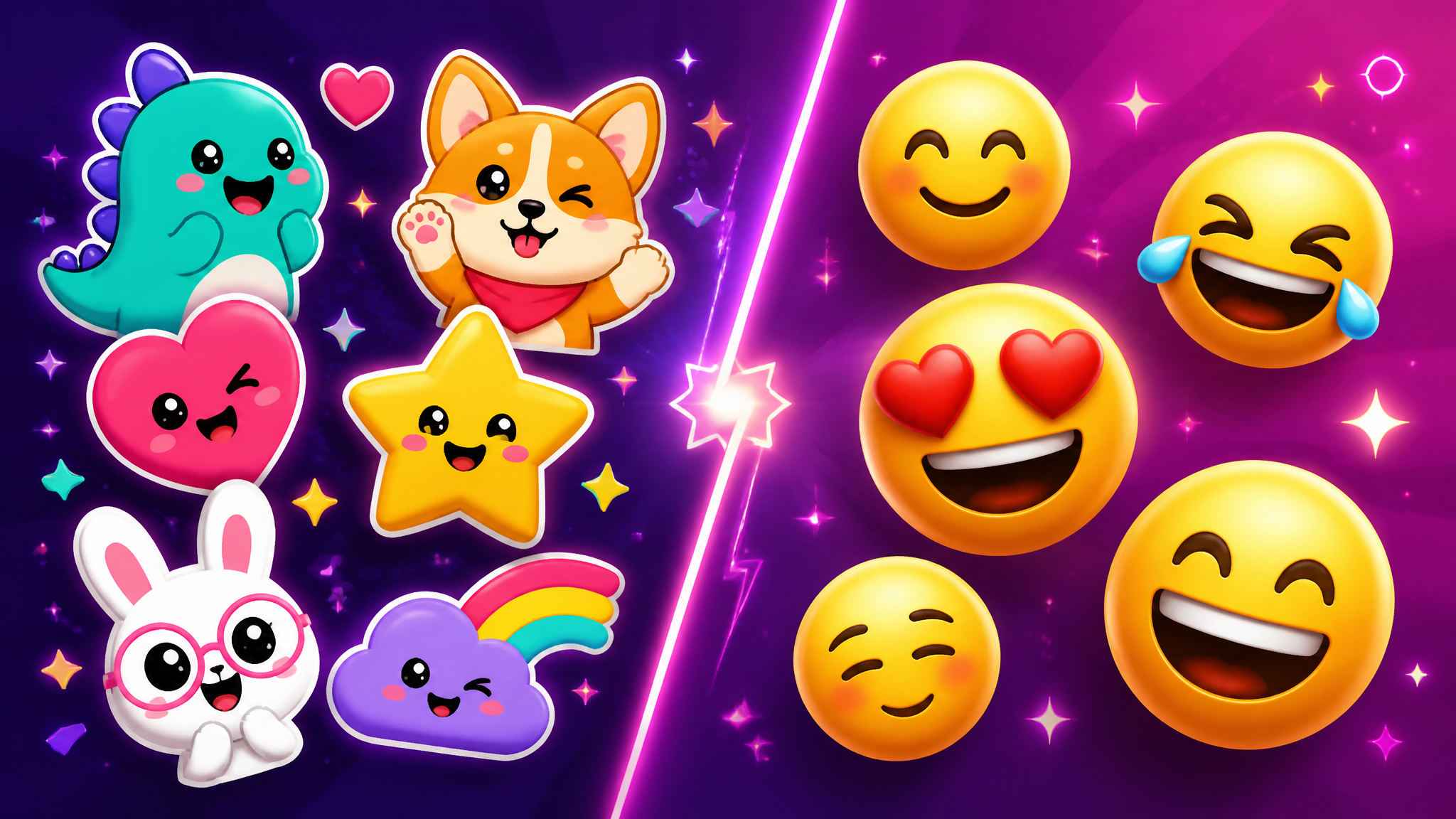
Stickers vs Emojis in 2026: Which One Actually Says It Better?
Sticker Culture in 2026: How Digital Stickers Changed the Way We Communicate
Why chat folders matter for busy group conversations