
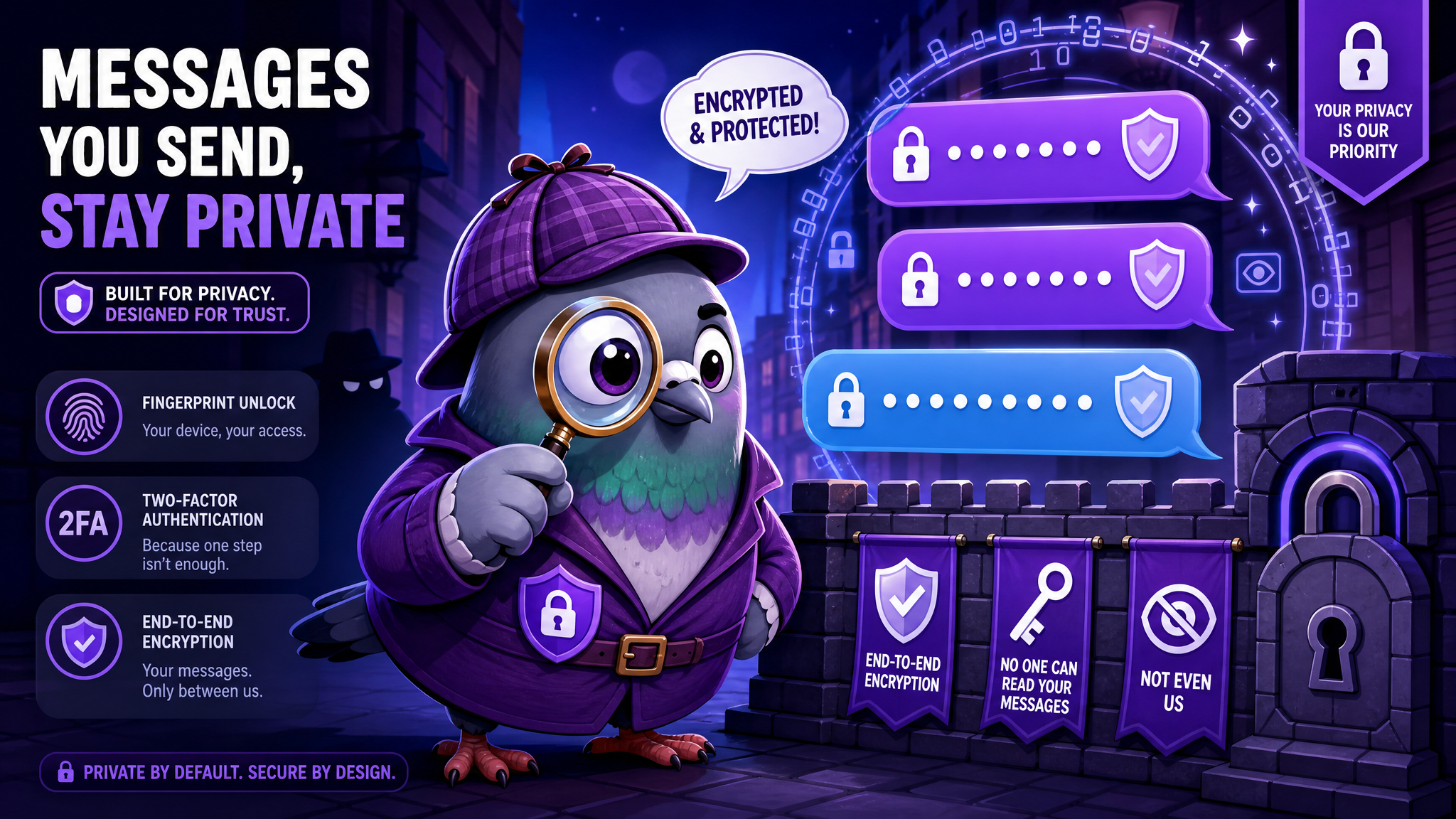
Messaging App Security: What's Really Happening Behind Your Encrypted Messages
Demystify end-to-end encryption, metadata collection, and server-side security. Learn what messaging apps actually protect — and what they don't.
"End-to-end encrypted" has become the gold standard marketing phrase for messaging apps. But what does it actually mean? And more importantly, what are the security gaps that encryption doesn't cover?
How End-to-End Encryption Works
When you send an encrypted message, it's scrambled into unreadable code on your device. Only the recipient's device has the unique decryption key to unscramble it. Even the company running the servers can't read it in transit.
What Encryption Protects
- Message content (text, media, voice notes)
- Protection from server-side breaches
- Protection from man-in-the-middle attacks
What Encryption Doesn't Protect
- Metadata: Who you talk to, when, and how often is often still logged
- Screenshots: The recipient can always capture your messages
- Device security: If your phone is compromised, encryption is irrelevant
- Cloud backups: Unencrypted backups can expose your message history
Beyond Encryption: Full Security
True messaging security requires a layered approach: strong device security, careful cloud backup settings, awareness of metadata exposure, and smart privacy practices.
At Pigeon, we believe security should be simple and transparent. Your conversations, your privacy.

Writer & Editor at PigeonChat
Related Articles
What makes an end to end encryption chat app secure
What a fully compliant EU chat app should include
Why people search for a WhatsApp alternative without a number
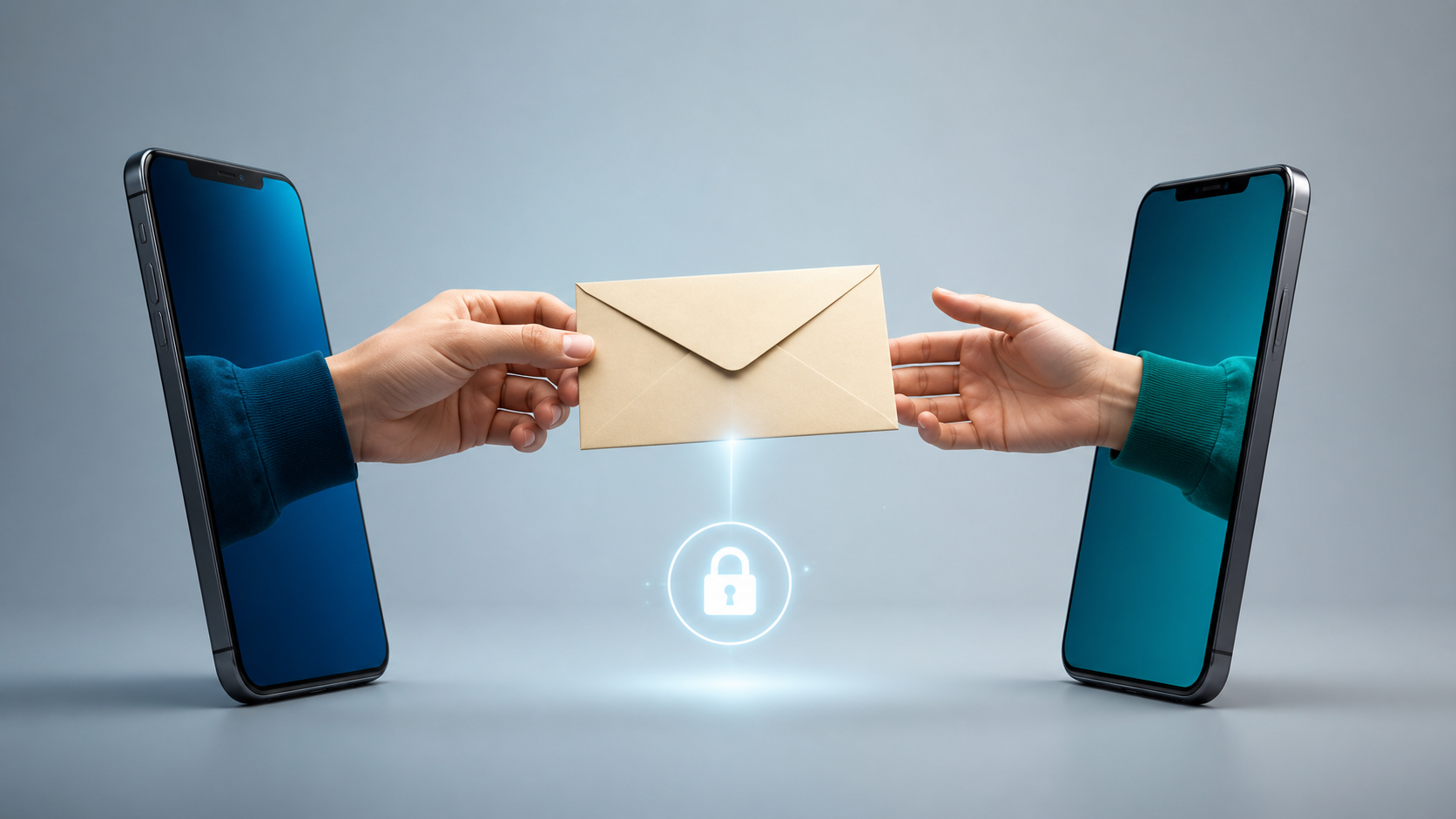
What end to end encryption chat really protects
Why chat folders matter for busy group conversations