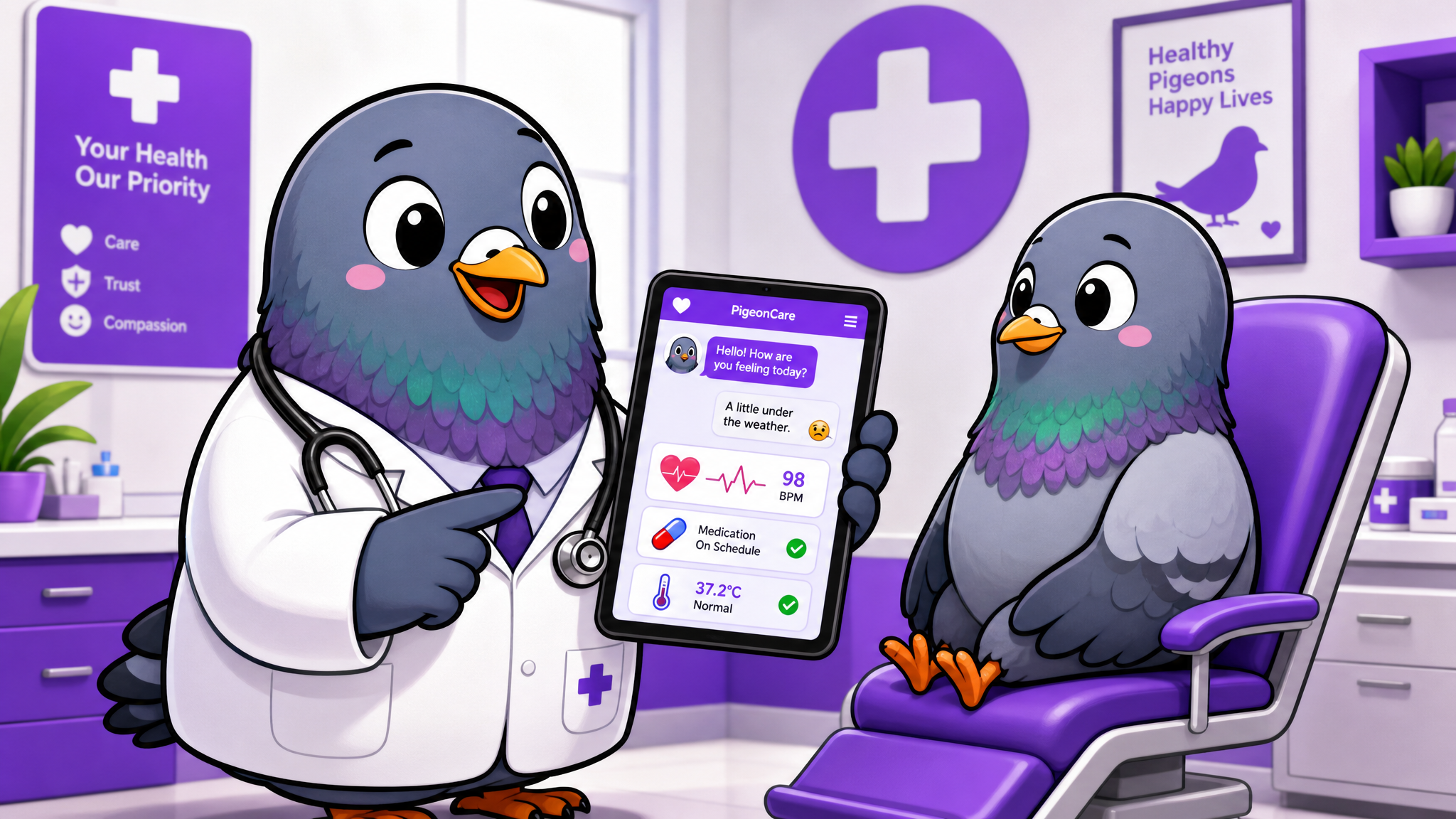
How Messaging Apps Are Transforming Healthcare and Patient Communication
From telemedicine and chronic disease management to mental health support and medication reminders, discover how messaging is revolutionizing the way patients and doctors communicate.
Your Doctor Is One Message Away — And That's Changing Everything
The waiting room is shrinking. Not physically, but functionally — because millions of patients worldwide are now receiving medical advice, appointment reminders, test results, and ongoing care coordination through the same messaging apps they use to chat with friends and family. Healthcare, one of the most traditional and slow-to-change industries on the planet, is experiencing a messaging revolution.
From rural clinics in Southeast Asia to major hospital systems in Europe and North America, messaging apps are filling critical gaps in patient communication that traditional healthcare systems have struggled with for decades. And the results are remarkable: better patient outcomes, higher satisfaction rates, and more efficient use of healthcare resources.
The Communication Crisis in Traditional Healthcare
Before understanding how messaging is transforming healthcare, it's worth acknowledging what's broken. Traditional healthcare communication is plagued by inefficiencies that frustrate both patients and providers.
Phone tag is the bane of every medical practice. A patient calls with a question, reaches voicemail, leaves a message, waits for a callback that comes while they're at work, calls back again — and the cycle repeats. A simple question that could be answered in a two-message exchange takes days to resolve through phone-based communication.
Paper-based communication is even worse. Appointment reminders sent by mail arrive late or get lost. Discharge instructions printed on paper are misplaced before patients even get home. Prescription information handed out in pamphlet form goes unread. Studies show that patients forget 40-80% of the medical information provided by healthcare practitioners immediately after their visit.
The result is missed appointments, medication non-adherence, delayed follow-ups, and preventable health complications — all because the communication channel between patients and providers is inadequate for the demands of modern healthcare.
Telemedicine's Messaging Backbone
The COVID-19 pandemic catapulted telemedicine from a niche offering to a mainstream healthcare delivery model. While video consultations received the most attention, it was messaging that quietly became the backbone of telehealth infrastructure.
Asynchronous messaging — where patients and doctors exchange messages without needing to be online simultaneously — has proven to be one of the most efficient models for non-emergency healthcare communication. A patient can describe symptoms, share photos of a rash or wound, and receive guidance without either party needing to coordinate schedules for a real-time interaction.
A 2025 study published in the Journal of Medical Internet Research found that 73% of non-emergency patient inquiries could be effectively resolved through asynchronous messaging alone, without requiring a phone call or video visit. For patients, this means faster answers with less disruption to their day. For providers, it means handling more patient interactions in less time.
The efficiency gains are substantial. Dr. Mariana Santos, a family physician in Lisbon, reports that she can address three to four times as many patient concerns through messaging as she can through traditional appointments. "Most questions don't need a physical examination," she explains. "They need information, reassurance, or a simple adjustment to treatment. Messaging is perfect for that."
Appointment Management: Reducing No-Shows by 40%
Missed appointments cost the global healthcare system billions of dollars annually and, more importantly, delay care for patients who need it. Messaging has emerged as the single most effective tool for reducing no-show rates.
Automated appointment reminders sent via messaging apps have been shown to reduce no-show rates by 30-40% compared to traditional phone or mail reminders. The reasons are straightforward: messages are seen faster, they're harder to ignore than voicemail, and they allow patients to confirm, reschedule, or cancel with a single tap.
But smart healthcare providers are going beyond simple reminders. They're using messaging to send preparation instructions before appointments ("Remember to fast for 12 hours before your blood test tomorrow"), directions and parking information for hospital visits, and follow-up care instructions after appointments. This comprehensive messaging approach creates a seamless patient experience that reduces anxiety and improves compliance.
Chronic Disease Management Through Chat
For patients managing chronic conditions — diabetes, hypertension, asthma, heart disease — messaging apps are proving transformative. These conditions require ongoing monitoring, frequent adjustments to treatment plans, and consistent patient engagement — exactly the kind of interaction that messaging facilitates better than periodic office visits.
Consider a diabetic patient who monitors their blood glucose daily. Through messaging, they can share readings with their care team in real time, receive immediate feedback on concerning numbers, and adjust insulin dosages without waiting weeks for the next appointment. This responsive care model prevents the dangerous spikes and crashes that occur when treatment adjustments are delayed by the traditional appointment cycle.
Remote patient monitoring through messaging has shown remarkable results. A Kaiser Permanente study found that diabetic patients who communicated with their care team through messaging had 12% better blood sugar control than those who relied solely on in-person visits. Heart failure patients who reported daily weight measurements through chat experienced 25% fewer emergency hospitalizations.
Mental Health Support: The Messaging Lifeline
Perhaps nowhere has messaging's impact been more profound than in mental health care. The barriers to accessing mental health support — stigma, cost, availability, and the difficulty of reaching out during a crisis — are all significantly reduced by messaging-based services.
Crisis text lines and mental health chatbots provide immediate support to people in distress who might not feel comfortable making a phone call or visiting a therapist in person. The anonymity and privacy of text-based communication lower the threshold for seeking help, particularly among young people and men — demographics that traditionally underutilize mental health services.
Ongoing therapeutic relationships are also being maintained through messaging. Between therapy sessions, patients can message their therapists with updates, concerns, or coping strategy questions. This continuous connection provides support during the gaps between appointments — exactly when many mental health challenges are most acute.
A study by the American Psychological Association found that patients who had messaging access to their therapists between sessions reported 28% faster improvement in anxiety symptoms and 22% faster improvement in depression scores compared to those with traditional appointment-only access.
Medication Adherence: The Silent Crisis Messaging Can Solve
Medication non-adherence is one of healthcare's most expensive and dangerous problems. The World Health Organization estimates that only 50% of patients in developed countries take their medications as prescribed. The consequences include disease progression, hospitalizations, and an estimated $500 billion in avoidable healthcare costs globally each year.
Messaging-based medication reminders are one of the simplest and most effective interventions available. Automated messages sent at dosage times ("Time for your morning blood pressure medication 💊") have been shown to improve adherence rates by 15-25% across multiple studies and medication types.
More sophisticated messaging programs go beyond reminders to include education about why medication matters, encouragement during long treatment courses, and prompts to report side effects. When patients understand their medication better and feel supported in taking it, compliance improves dramatically.
Privacy and Security: The Non-Negotiable Foundation
Healthcare messaging carries unique privacy requirements. Patient health information is among the most sensitive data that exists, and its protection is mandated by laws like HIPAA in the United States, GDPR in Europe, and similar regulations worldwide.
End-to-end encryption is the minimum standard for any messaging used in healthcare contexts. Messages must be encrypted in transit and at rest, access must be strictly controlled, and audit trails must be maintained. Consumer messaging apps that meet these standards can be used for healthcare communication, while those that don't create unacceptable liability for healthcare providers.
Patient consent is another critical consideration. Before initiating messaging-based communication, healthcare providers must obtain informed consent from patients, explaining what types of information will be communicated, how their data is protected, and their right to opt out at any time.
Platforms like PigeonChat that prioritize end-to-end encryption and user privacy are well-positioned for healthcare communication applications, where security isn't just a feature — it's a legal and ethical requirement.
Rural and Underserved Communities: Bridging the Access Gap
In rural and underserved communities where healthcare facilities are scarce and specialist access is limited, messaging is literally saving lives. A patient in a remote village who develops concerning symptoms can message a healthcare worker in the nearest city, share photos and descriptions, and receive guidance on whether the situation requires the hours-long journey to a hospital.
In sub-Saharan Africa, messaging-based health programs have dramatically improved maternal health outcomes. Pregnant women receive weekly messages with health tips, appointment reminders, and warning signs to watch for. Community health workers coordinate care through group chats. The result: measurably higher rates of prenatal care attendance and facility-based deliveries.
Similar programs in rural India, Southeast Asia, and Latin America are using messaging to deliver health education, coordinate vaccination campaigns, and provide follow-up care to patients who would otherwise fall through the cracks of overstretched healthcare systems.
The Doctor-Patient Relationship in the Messaging Age
Critics worry that messaging depersonalizes healthcare, reducing the sacred doctor-patient relationship to a series of text exchanges. The evidence suggests the opposite is true.
Patients who communicate with their doctors through messaging report feeling more connected to their care team, not less. The accessibility of messaging — the ability to ask a quick question without the friction of scheduling an appointment — creates a sense of ongoing partnership that periodic office visits alone can't provide.
Doctors who embrace messaging often find that it enhances their clinical relationships. They gain real-time insight into patients' daily experiences, catch problems earlier, and build trust through consistent, responsive communication.
Looking Ahead: AI, Chatbots, and the Future of Health Messaging
The integration of AI into healthcare messaging opens extraordinary possibilities. AI-powered symptom checkers can triage patient concerns before they reach a human provider, directing urgent cases to immediate care and routing non-urgent inquiries to appropriate messaging channels.
Chatbots trained on medical knowledge bases can answer routine health questions instantly, 24 hours a day — freeing human providers to focus on complex cases that require clinical judgment. These aren't replacements for doctors; they're force multipliers that extend the reach of healthcare expertise.
Natural language processing is making health messaging smarter. AI can analyze patient messages for signs of deterioration, medication side effects, or mental health crises, flagging concerning communications for immediate provider review. This passive monitoring adds a safety net that catches problems patients might not even recognize themselves.
The Prescription Is Clear
Messaging isn't just a convenient add-on to healthcare — it's becoming an essential component of effective, patient-centered care. The evidence is overwhelming: patients who have messaging access to their healthcare providers have better outcomes, higher satisfaction, and lower costs than those who don't.
As messaging technology continues to evolve — with better security, smarter AI, and richer multimedia capabilities — its role in healthcare will only grow. The future of medicine isn't just in the hospital or the clinic. It's in the message that arrives at exactly the right moment, connecting patients with the care they need, wherever they are.

Writer & Editor at PigeonChat
Related Articles
Best Free Team Chat App for Small Businesses and Remote Teams in 2026

Best Free Team Chat Apps for Small Businesses in 2026

The Best Slack Alternatives in 2026: Free Team Chat Apps

Best Business Group Chat Apps in 2026: How Teams Actually Communicate
Why chat folders matter for busy group conversations