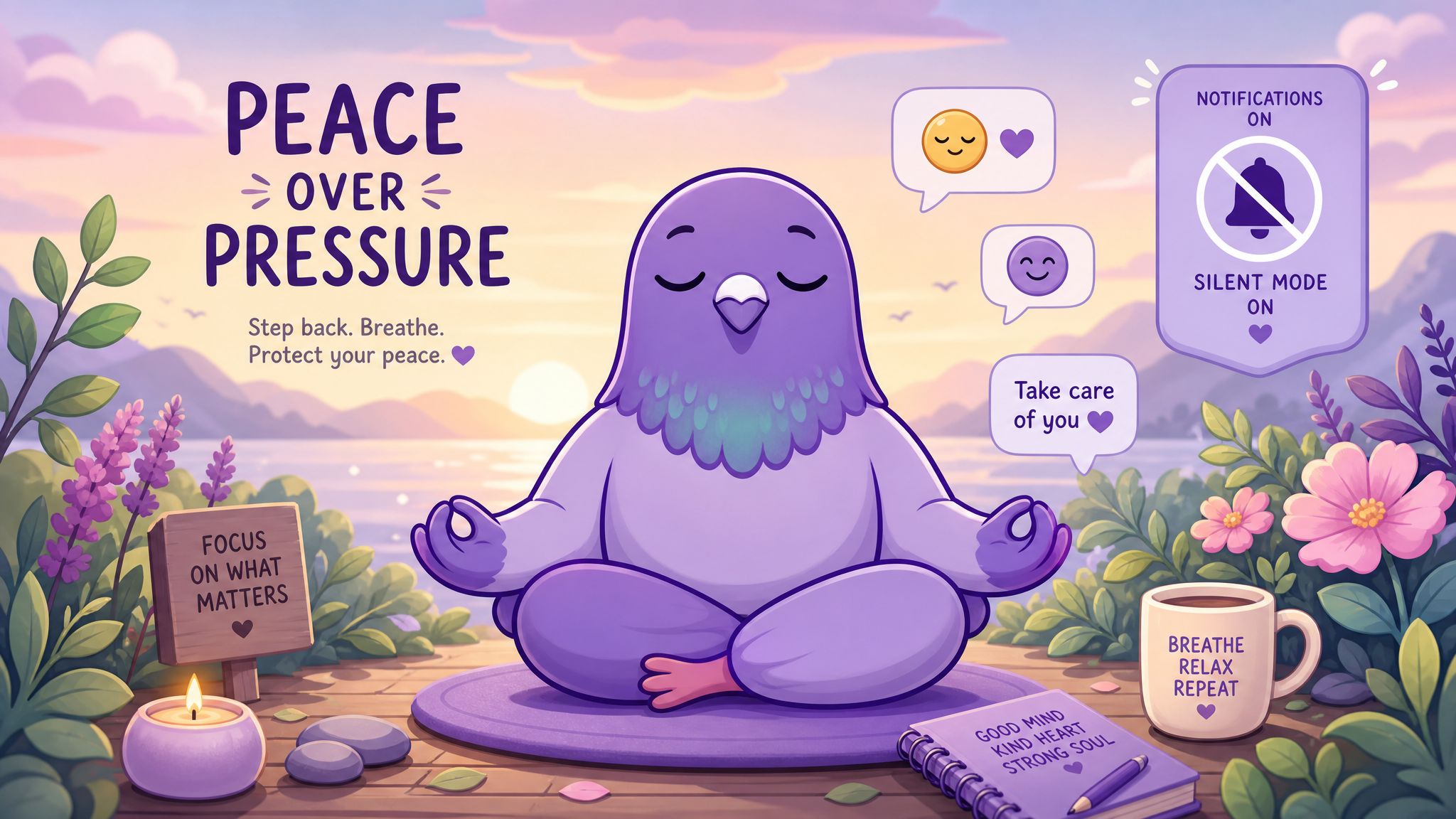
Digital Mental Health: How Your Messaging Habits Affect Your Wellbeing
Explore the surprising ways your texting patterns, notification settings, and online interactions impact your mental health — and what you can do about it.
Your relationship with messaging apps is more complex than you think. While digital communication connects us to loved ones, it can also trigger anxiety, FOMO, and social comparison when left unchecked. Understanding these dynamics is the first step toward healthier habits.
The Notification Anxiety Loop
Every buzz, ding, and banner triggers a micro-dose of cortisol. Over time, this creates a Pavlovian response where your body stays in a low-grade alert state. The fix? Customize notifications ruthlessly — keep alerts only for your inner circle and mute everything else.
Read Receipts and Social Pressure
Knowing someone "saw" your message but didn't respond creates unnecessary tension. Research shows that 67% of people feel anxious when they see their message has been read without a reply.
The Comparison Trap
Group chats can become showcase arenas where everyone shares their highlights. Remember: what people share digitally is a curated version of reality, not the full picture.
Healthy Messaging Habits
- Schedule checking times instead of constantly monitoring
- Use Do Not Disturb during focused work and sleep
- Take messaging breaks — it's okay to be unreachable sometimes
- Be mindful of tone — misinterpretation is the #1 cause of digital conflict
Your mental health matters. Pigeon is designed with wellness in mind — because the best conversations happen when you're feeling your best.

Writer & Editor at PigeonChat
Related Articles
What browser chat changes for people who hate installs
How digital wellbeing changes the way people chat
Why digital wellbeing matters in chat app design
Why digital wellbeing is becoming a chat app feature
Why chat folders matter for busy group conversations