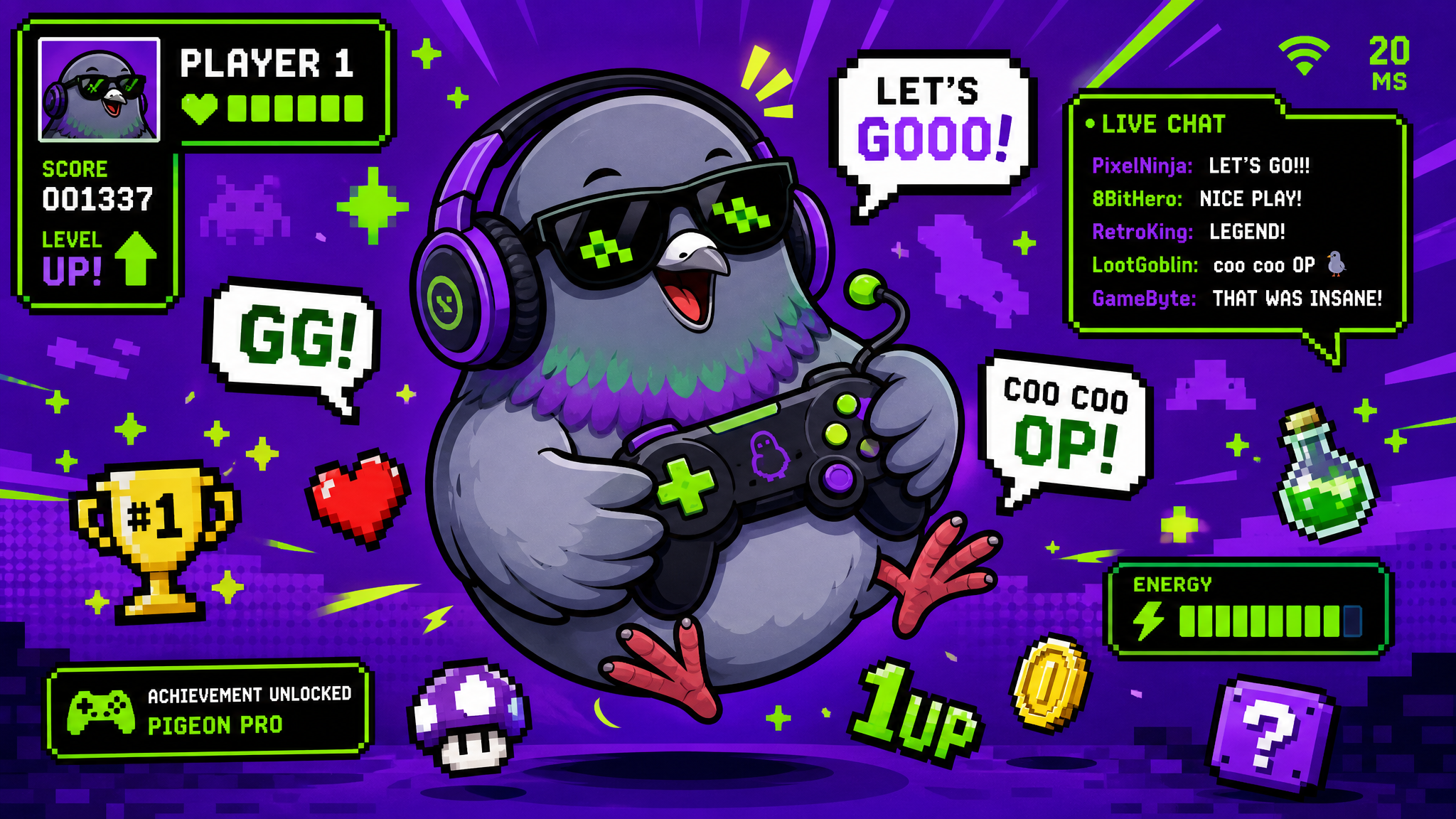
How Gaming Communities Use Messaging Apps to Connect and Compete
From coordinating raid strategies to building esports teams, gaming communities have turned messaging platforms into essential infrastructure. Here's how they do it.
Beyond the Game: Where Players Really Connect
The most intense moments in gaming don't happen on-screen. They happen in the group chat where your squad coordinates a raid at 2 AM. In the voice channel where your team calls out enemy positions in real-time. In the community server where thousands of players share strategies, celebrate victories, and commiserate over defeats. Messaging apps have become the invisible infrastructure that makes modern gaming communities possible.
How Gaming Groups Use Messaging Differently
Real-Time Coordination
Competitive gaming demands split-second communication. Voice channels serve as the primary coordination layer during gameplay, but text channels handle pre-game strategy, post-game analysis, and ongoing tactical discussions. The best gaming communities maintain structured channel hierarchies: #general-chat, #strategy, #lfg (looking for group), #clips-and-highlights, and game-specific channels.
Tournament Organization
From local amateur brackets to major esports events, messaging platforms serve as tournament infrastructure. Registration, bracket management, scheduling, rule disputes, and live results all flow through organized channels. Bot integrations handle matchmaking, score tracking, and automatic bracket advancement.
Knowledge Sharing
Gaming communities are knowledge engines. New patch notes drop, and within hours, community members have tested, analyzed, and documented every change. Character guides, build optimizers, map callouts, and tier lists — all maintained collaboratively in community channels. This crowdsourced knowledge base is often more comprehensive and up-to-date than official documentation.
Building a Thriving Gaming Community
- Create clear channel structure — separate casual chat from strategy discussion from LFG requests
- Set up role-based access — competitive players, casual players, content creators, and moderators have different needs
- Use bots for automation — welcome messages, role assignment, matchmaking, and moderation bots keep things running smoothly
- Host regular events — weekly tournaments, community game nights, or coaching sessions keep engagement high
- Celebrate achievements — dedicated channels for sharing clips, milestones, and personal bests build positive culture
- Establish clear rules — toxicity kills communities faster than anything; enforce respectful communication from day one
The Cross-Platform Challenge
Gamers play across PC, PlayStation, Xbox, Switch, and mobile. Their messaging shouldn't be limited by platform. Cross-platform messaging apps have become the universal connector — the one place where your PC friend, your console squad mate, and your mobile gaming buddy can all exist in the same conversation regardless of their gaming hardware.
From Strangers to Teammates to Friends
The most magical aspect of gaming communities isn't the games — it's the friendships. People who met as random matchmaking partners become regular squad members, then close friends, then real-life companions. Messaging platforms are the connective tissue that sustains these relationships between gaming sessions, across time zones, and through life changes. The game might bring people together, but the chat keeps them together.

Writer & Editor at PigeonChat
Related Articles
The Best Chat App for Students, Communities, and Groups in 2026
School Messaging Platforms in 2026: Secure Communication for Education
Phonathon and Messaging: How Chat Apps Are Transforming Fundraising Outreach in 2026
PigeonChat Forum: Building Community Through Private, Meaningful Conversations
Why chat folders matter for busy group conversations