
How to Use Group Chats for Maximum Productivity: A Team Communication Guide
Group chats can be productivity powerhouses or chaotic time-wasters. Learn proven strategies to turn your team messaging into an efficient collaboration tool.
Group Chats: Your Team's Secret Weapon or Biggest Time Sink?
Group chats have become the backbone of modern team communication. Whether you are coordinating a startup, managing a school project, planning a community event, or running a remote team, group messaging is often faster and more natural than email. But without structure, group chats quickly devolve into unreadable walls of text, missed messages, and notification fatigue.
The difference between productive and chaotic group chats is not the tool — it is how you use it. This guide shares battle-tested strategies for turning your group chats into genuine productivity engines.
Strategy 1: Create Purpose-Specific Groups
The biggest mistake teams make is dumping everything into one group chat. Instead, create focused groups for specific purposes:
- #announcements — Admin-only posting, everyone reads. For important updates that should not get buried
- #general — Open discussion and casual conversation. The water cooler of your digital workspace
- #project-name — Dedicated groups for specific projects with only relevant team members
- #urgent — Time-sensitive issues that require immediate attention. Use sparingly to maintain impact
PigeonChat makes this easy with powerful group creation tools, admin controls, and the ability to manage multiple groups effortlessly.
Strategy 2: Use Admin Controls Wisely
Admin features exist for a reason. A well-moderated group chat is a productive group chat:
Pin important messages so critical information does not get lost in the conversation flow. Set clear posting guidelines for different groups. Assign multiple admins to share the moderation workload. Use mention features to direct messages to specific people without notifying everyone.
Strategy 3: Establish Communication Norms
Unwritten rules lead to confusion. Make your team's communication norms explicit:
- Define response time expectations (immediate for #urgent, within 4 hours for project groups)
- Agree on when to use group chat versus direct messages versus video calls
- Set quiet hours to prevent burnout from after-hours notifications
- Use reactions instead of "OK" or "Thanks" messages to reduce notification noise
Strategy 4: Leverage Rich Media
Text-only communication loses nuance. Modern messaging apps like PigeonChat support voice messages, file sharing, image annotations, and stickers. A 30-second voice message can convey tone and context that would take paragraphs of text. A quick screenshot with an arrow pointing to the issue saves ten minutes of description.
Strategy 5: Archive and Search
Productive teams do not rely on memory — they rely on search. Make your group chats searchable by using clear, descriptive language in important messages. Pin decisions and deadlines. Use PigeonChat's message search to find past discussions, shared files, and linked resources without scrolling through thousands of messages.
The Productivity Multiplier
When done right, group chats reduce email volume by up to 70 percent, speed up decision-making, and create a living record of your team's communication. The key is intentionality: purpose-specific groups, clear norms, smart admin controls, and a messaging app built for the way teams actually work. PigeonChat delivers the tools — the strategy is up to you.

Writer & Editor at PigeonChat
Related Articles

Best Free Team Chat App for Small Businesses and Remote Teams in 2026

Best Free Team Chat Apps for Small Businesses in 2026

The Best Slack Alternatives in 2026: Free Team Chat Apps

Best Business Group Chat Apps in 2026: How Teams Actually Communicate
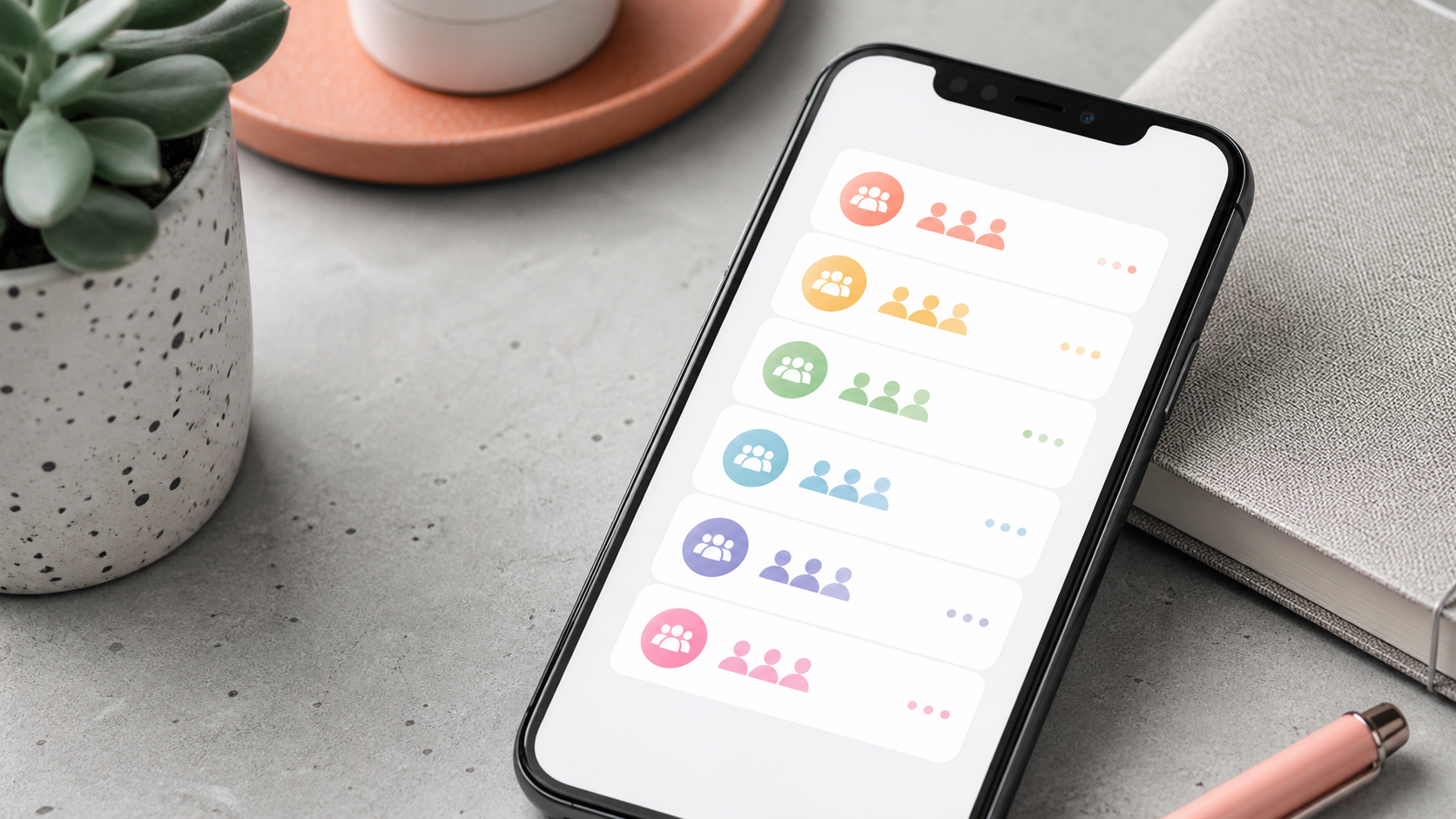
Why chat folders matter for busy group conversations