How Messaging Apps Are Changing the Way We Use Language
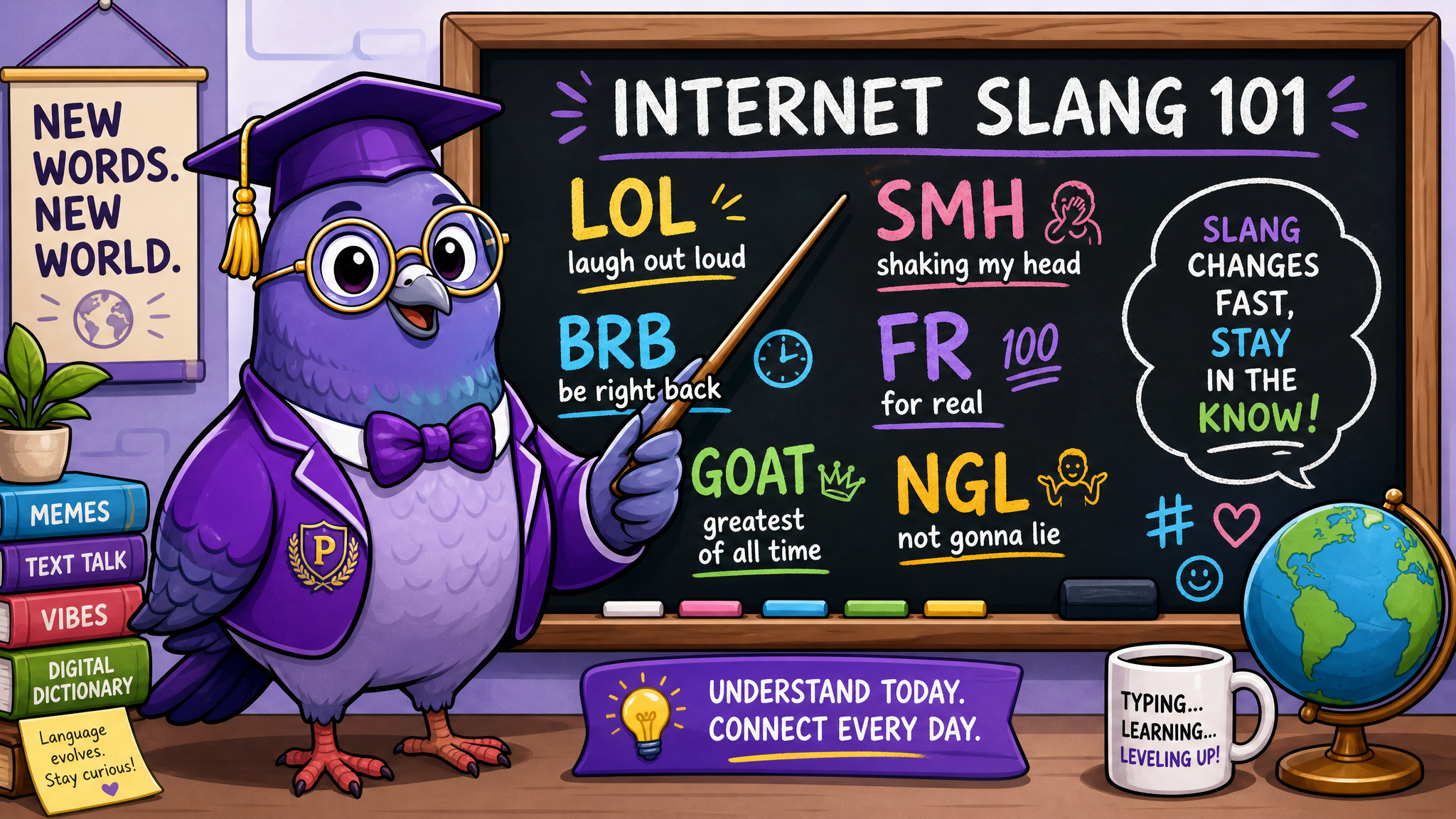
LOL, BRB, GOAT — messaging apps have created an entirely new linguistic landscape. Explore how digital communication is evolving the English language in real time.
Language has always evolved. But never has it evolved as quickly as in the age of digital messaging. Abbreviations, new words, and entirely new communication styles are emerging at unprecedented speed — and messaging apps are the primary driver.
The Rise of Abbreviations
From "LOL" to "GOAT" to "IYKYK," abbreviations save time and signal in-group membership. What started as convenience has become a cultural marker — knowing current abbreviations signals you're digitally fluent.
New Words, New Meanings
"Ghost" now means to ignore someone. "Slay" means to do something exceptionally well. "Cap" means a lie. Messaging culture creates and distributes new vocabulary faster than any dictionary can keep up.
The Evolution of Punctuation
In messaging, punctuation has been completely reimagined. Periods signal anger or finality. Multiple exclamation marks convey genuine excitement. Lowercase everything signals casual ease. These aren't grammar mistakes — they're deliberate communication choices.
Visual Language
Emojis and stickers represent the most significant expansion of our communication toolkit since the invention of writing. They add emotional and cultural dimensions that text alone can't express.
Code-Switching in Digital Spaces
People naturally adjust their messaging style based on who they're talking to — formal with bosses, playful with friends, empathetic with family. This digital code-switching is a sophisticated linguistic skill.
Express yourself in any style on Pigeon — from formal to fun.
Writer & Editor at PigeonChat
Related Articles

Why people search for a pigeon chat app online

Why users search for a pigeon chat app online

Why people call pigeons a messaging app joke
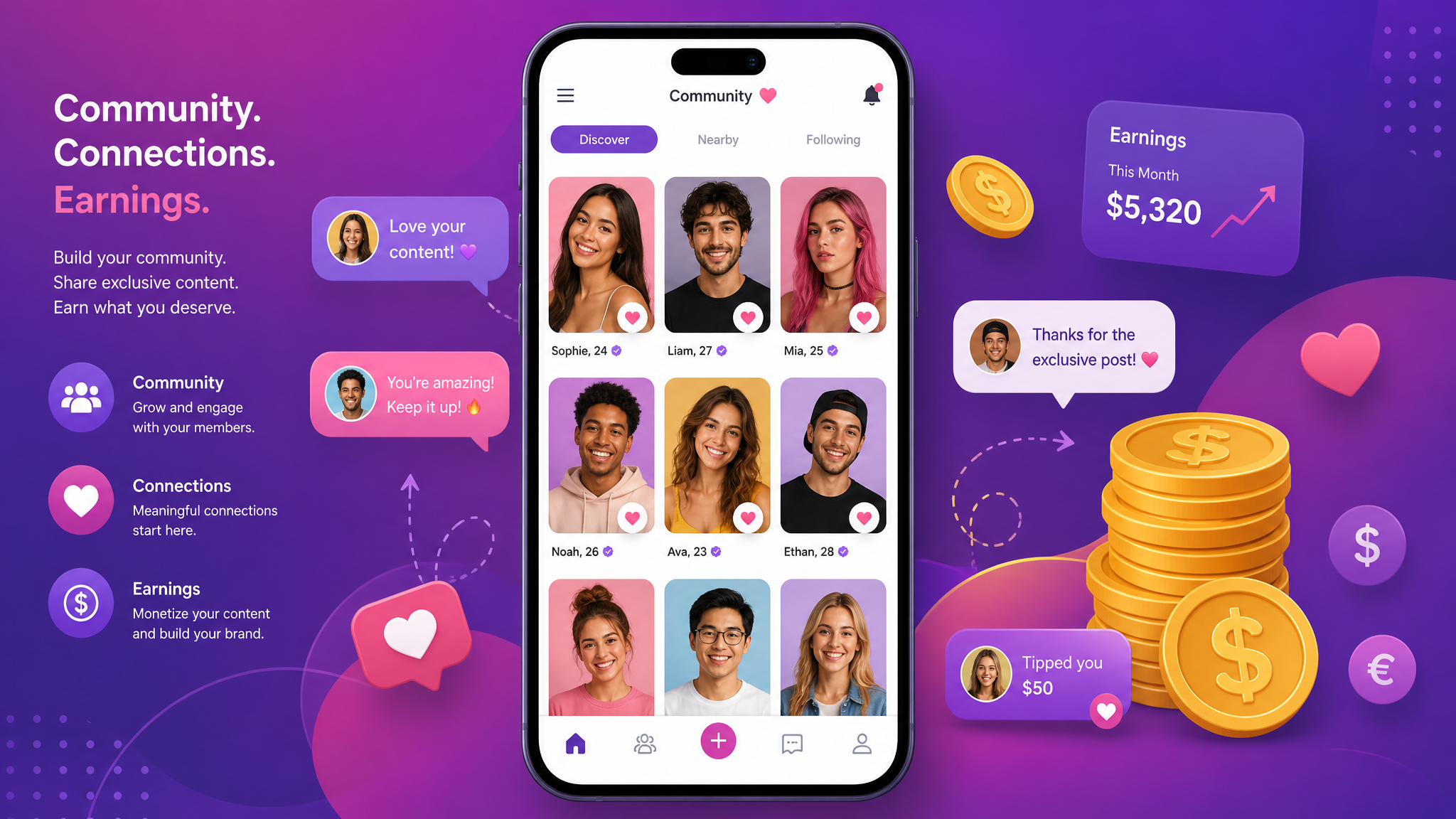
Dating, Community & Making Money on PigeonChat.site
Why chat folders matter for busy group conversations