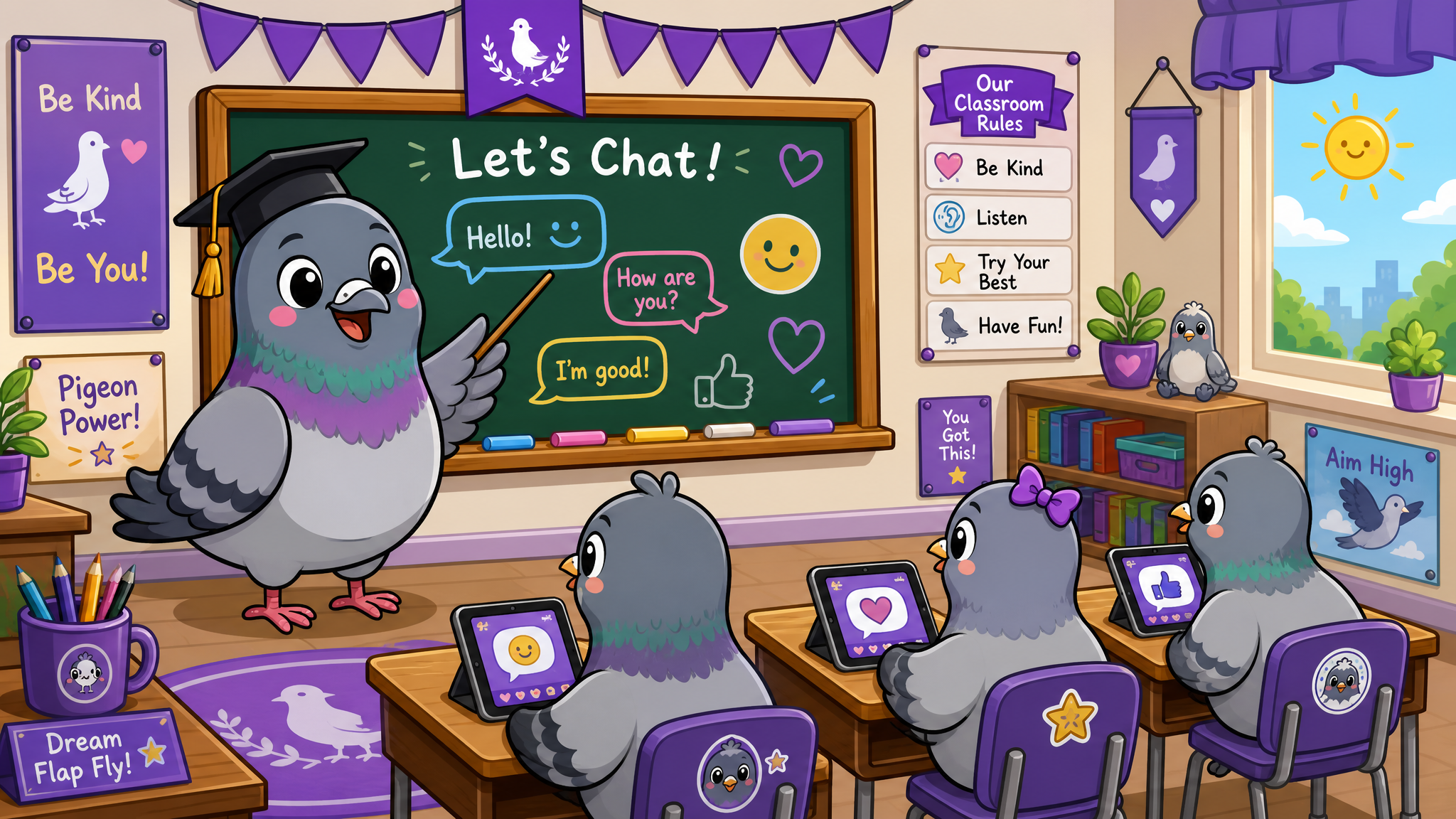
How Messaging Apps Are Revolutionizing Education and Classroom Communication
Discover how messaging platforms are transforming modern education — from real-time feedback and multilingual classrooms to flipped learning and parent-teacher engagement. The classroom has gone digital.
The Classroom Has Gone Digital — And Messaging Is Leading the Way
Education is undergoing one of its most significant transformations in centuries. While textbooks and blackboards still have their place, the real revolution is happening in the palm of every student's hand. Messaging apps — once considered distractions in the classroom — are now becoming essential tools for learning, collaboration, and academic success.
From elementary schools to universities, educators worldwide are discovering that the same platforms students use to chat with friends can be powerful vehicles for knowledge sharing, real-time feedback, and inclusive participation. Let's explore how messaging apps are reshaping education as we know it.
Why Traditional Communication Falls Short in Modern Education
For decades, classroom communication followed a rigid pattern: the teacher spoke, students listened, and questions were reserved for designated times. Email emerged as a digital alternative, but it carried its own limitations — formal tone requirements, slow response times, and the tendency for messages to get lost in cluttered inboxes.
Today's students are digital natives who communicate naturally through messaging. They expect instant responses, multimedia content, and the ability to collaborate in real time. When educational institutions cling exclusively to outdated communication methods, they create an unnecessary barrier between learning and engagement.
Research from the International Society for Technology in Education shows that students who use messaging platforms for academic purposes report 34% higher engagement rates and 28% better retention of course material compared to those who rely solely on traditional methods.
The Rise of Educational Group Chats
Group chats have become the unofficial study halls of the digital age. Whether it's a class-wide channel managed by a professor or a small study group created by students, these digital spaces facilitate a kind of collaborative learning that physical classrooms sometimes struggle to achieve.
In a group chat, the shy student who never raises their hand suddenly finds their voice. The visual learner can share infographics and diagrams. The student who missed class can catch up through shared notes and recorded discussions. It's democratized learning in a way that was previously impossible.
Universities like MIT, Stanford, and the University of Tokyo have formally integrated messaging platforms into their learning management systems. Professors create dedicated channels for each course, post supplementary materials, and even hold virtual office hours through chat — making themselves more accessible than ever before.
Real-Time Feedback: The Game Changer
One of the most powerful applications of messaging in education is real-time feedback. Traditional grading cycles can take days or even weeks, by which time students have already moved on to new material. Messaging changes this dynamic entirely.
Teachers can now provide instant feedback on assignments through voice messages, annotated screenshots, or quick text responses. Students can ask clarifying questions immediately rather than waiting for the next class session. This rapid feedback loop accelerates learning and helps students correct misunderstandings before they become deeply ingrained.
A 2025 study published in the Journal of Educational Technology found that students who received feedback through messaging apps improved their grades by an average of 15% compared to those who received traditional written feedback. The immediacy and conversational nature of messaging made feedback feel less intimidating and more actionable.
Breaking Language Barriers in Multilingual Classrooms
In increasingly diverse classrooms, language barriers can significantly impact learning outcomes. Messaging apps with built-in translation features are helping bridge this gap in remarkable ways.
Imagine a classroom in Toronto where students speak English, Mandarin, Arabic, and Spanish. With messaging apps that offer real-time translation, every student can participate in discussions in their preferred language while others read translated versions instantly. This isn't a futuristic scenario — it's happening right now in schools across the globe.
Language learning itself has been transformed by messaging. Language exchange partners connect through chat, practicing conversational skills in a low-pressure environment. Grammar corrections happen naturally through text, and pronunciation improves through voice messages. Apps like PigeonChat, with their focus on inclusive and accessible communication, are perfectly positioned to support this multilingual educational landscape.
The Flipped Classroom and Messaging Synergy
The flipped classroom model — where students consume lecture content at home and use class time for active learning — has found a perfect partner in messaging technology. Students can watch recorded lectures and then discuss key concepts in group chats before arriving in class, ensuring everyone starts on the same page.
Teachers can gauge understanding by monitoring chat discussions, identifying common questions and misconceptions before the live session begins. This allows them to tailor their in-class activities to address specific gaps in understanding, making every minute of face-to-face time more productive.
The asynchronous nature of messaging also accommodates different learning paces. A student who needs more time to process information can review chat discussions at their own speed, revisiting explanations and resources shared by classmates and teachers alike.
Parental Engagement Through Messaging
For primary and secondary education, messaging apps have revolutionized parent-teacher communication. Gone are the days of notes lost in backpacks and missed phone calls during work hours. Modern messaging creates a direct, convenient channel between educators and families.
Schools are creating dedicated parent channels where teachers share daily updates, homework reminders, and photos from classroom activities. Parents can quickly ask questions or flag concerns without the formality of scheduling a conference. This constant connection keeps families engaged in their children's education in ways that were previously impractical.
Studies consistently show that increased parental involvement correlates with better academic outcomes, higher attendance rates, and improved student behavior. Messaging apps have made this involvement not just possible but effortless.
Challenges and Best Practices
Of course, integrating messaging into education isn't without challenges. Privacy concerns, appropriate boundaries, and digital equity issues all need careful consideration.
Setting boundaries is crucial. Many schools establish clear guidelines: dedicated school hours for teacher responses, professional tone expectations, and separate platforms for academic versus social communication. These boundaries protect both educators and students while maintaining the benefits of connected learning.
Privacy and safety must be prioritized, especially for younger students. End-to-end encryption, age-appropriate content filters, and administrative oversight are essential features for any messaging platform used in educational settings.
Digital equity remains a concern. Not every student has equal access to devices or reliable internet. Schools addressing this gap through device lending programs and offline messaging capabilities ensure that technology enhances rather than widens educational inequality.
The Future of Messaging in Education
Looking ahead, the integration of AI into educational messaging promises even more exciting possibilities. Imagine chatbots that can answer student questions 24/7, AI tutors that adapt to individual learning styles, and smart messaging systems that automatically organize study materials based on upcoming exams.
Virtual and augmented reality experiences shared through messaging will bring abstract concepts to life — students could explore the solar system, walk through historical events, or conduct virtual chemistry experiments, all coordinated through their favorite messaging app.
The line between formal education and everyday learning will continue to blur, with messaging apps serving as the bridge. Lifelong learning will become as natural as checking your messages, with educational content seamlessly woven into daily digital conversations.
Making It Work: Tips for Educators
If you're an educator looking to incorporate messaging into your teaching, here are practical steps to get started:
Start small. Begin with a single class channel for announcements and homework reminders before expanding to interactive discussions.
Establish norms. Co-create messaging guidelines with your students. When they help set the rules, they're more likely to follow them.
Model good communication. Show students what effective, respectful digital communication looks like by practicing it yourself.
Choose the right platform. Select a messaging app that prioritizes privacy, offers educational features, and is accessible to all your students. Platforms like PigeonChat that focus on user-friendly, secure communication are excellent choices for educational environments.
Gather feedback. Regularly ask students what's working and what isn't. The beauty of messaging in education is its flexibility — adapt your approach based on what your learners actually need.
The Bottom Line
Messaging apps aren't replacing teachers — they're empowering them. By meeting students where they already are — in their favorite messaging platforms — educators can create more engaging, inclusive, and effective learning experiences. The classroom of the future isn't just a physical space; it's a vibrant digital conversation that never stops inspiring curiosity and growth.

Writer & Editor at PigeonChat
Related Articles
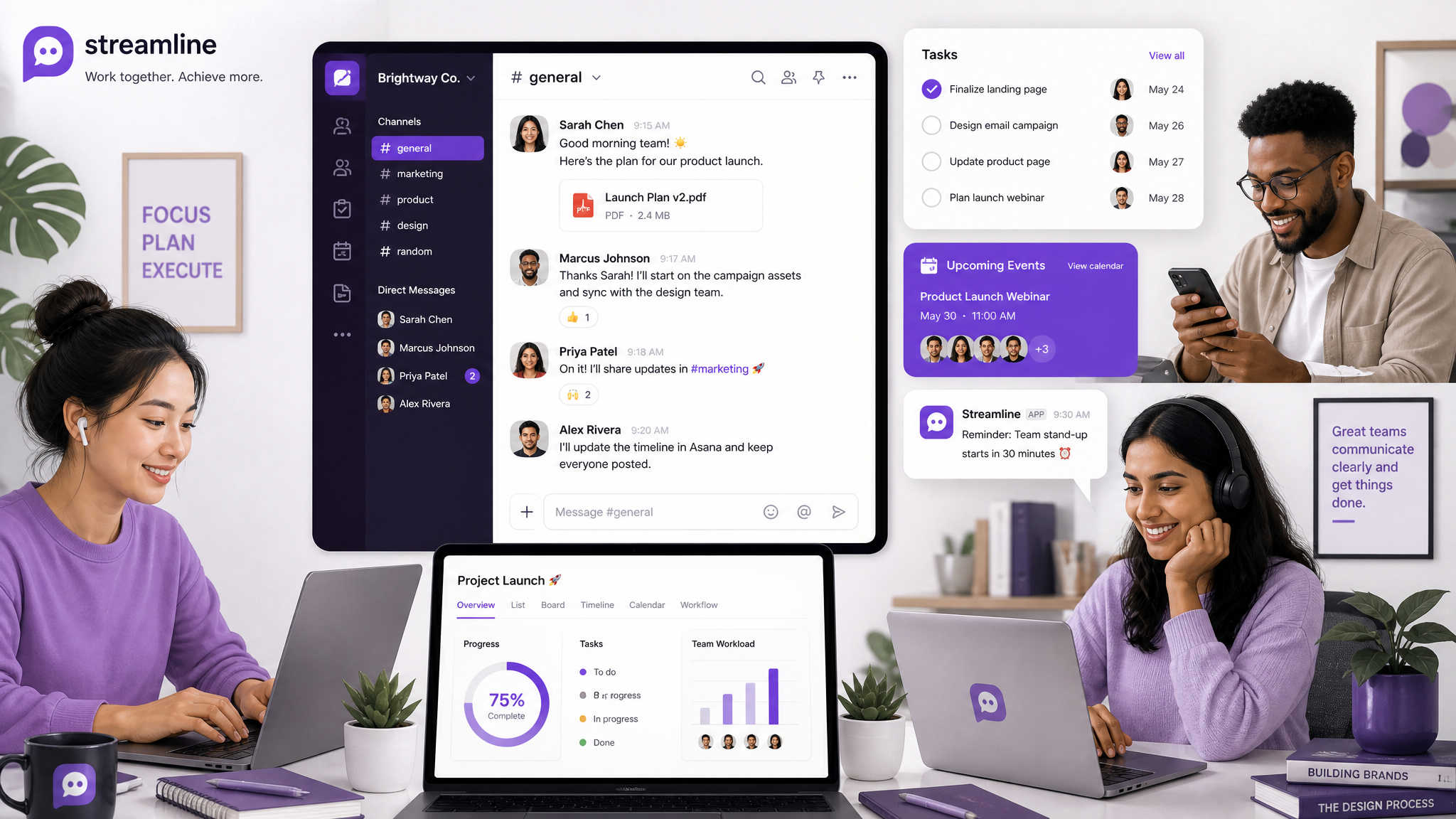
Best Free Team Chat App for Small Businesses and Remote Teams in 2026

Best Free Team Chat Apps for Small Businesses in 2026

The Best Slack Alternatives in 2026: Free Team Chat Apps

Best Business Group Chat Apps in 2026: How Teams Actually Communicate
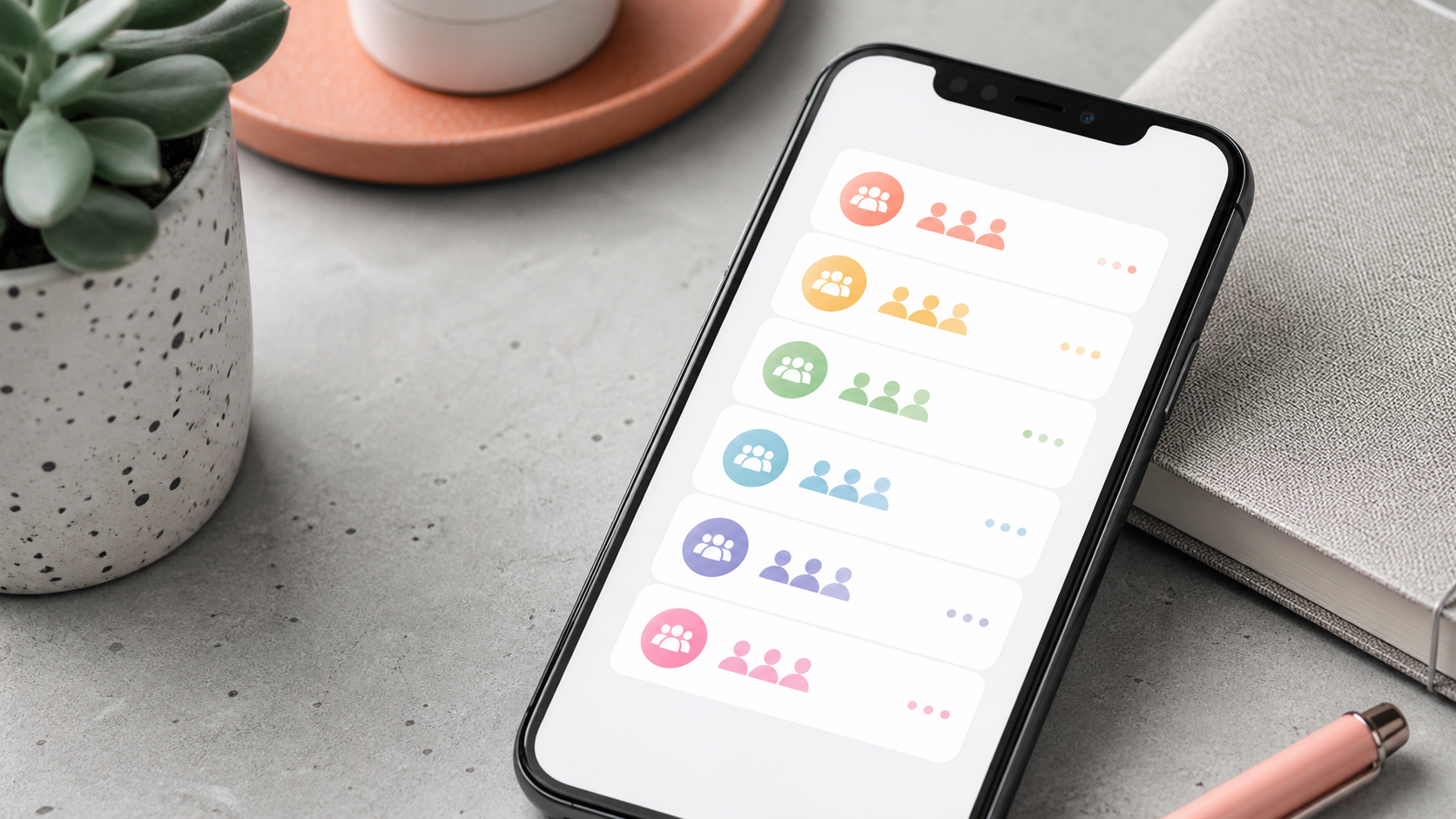
Why chat folders matter for busy group conversations