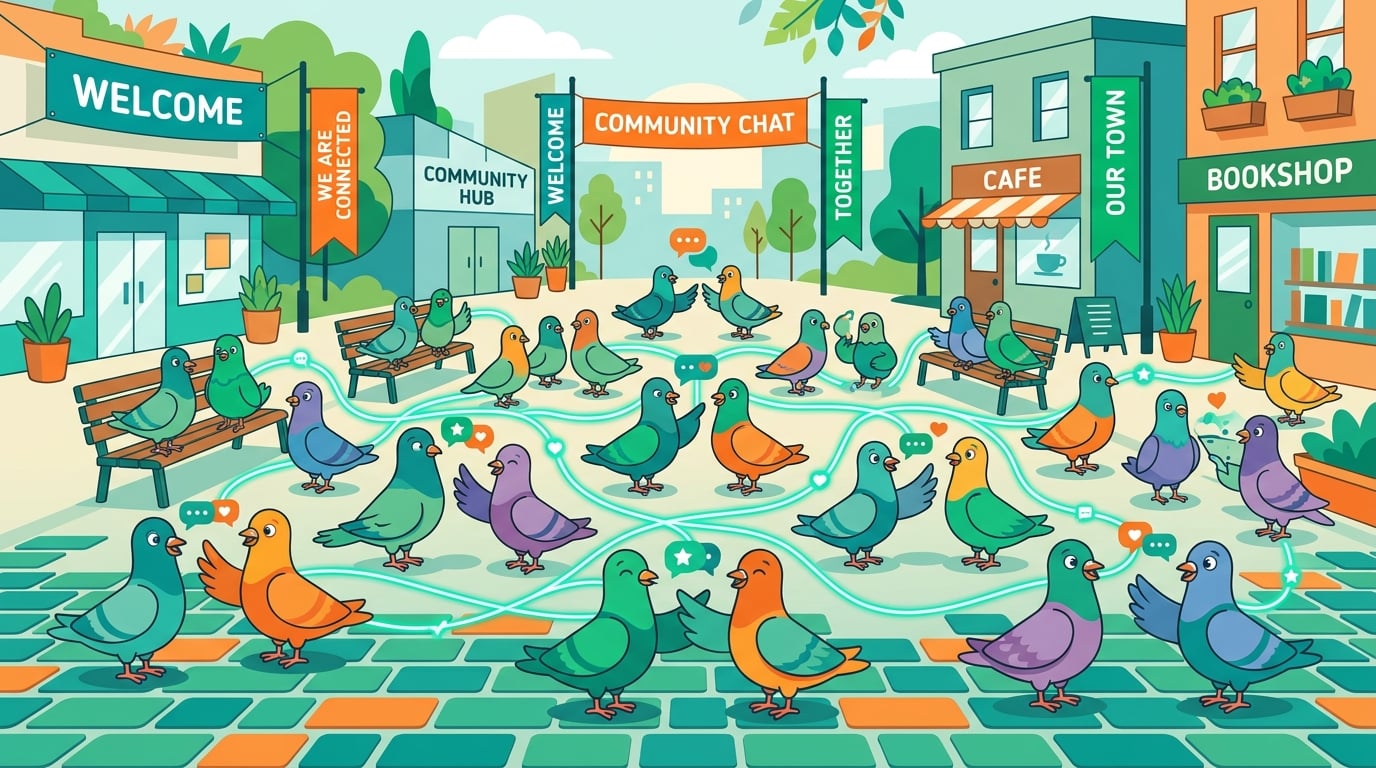
Building Thriving Online Communities: From School Clubs to Professional Networks
Master the art of building engaged online communities using messaging apps. Whether you're running a school club, university society, or professional group, these strategies will help your community flourish.
Behind every great organisation, movement, and social network is a thriving community. And in 2026, the most vibrant communities aren't built in conference rooms or lecture halls — they're built in group chats, channels, and messaging threads where people connect authentically, share knowledge, and support each other's growth.
Whether you're a school student starting a homework help group, a university society president managing 200 members, or a professional building an industry community — the principles of community building remain remarkably consistent.
The Anatomy of a Thriving Online Community
The Three Pillars
Research on community psychology identifies three essential elements that every successful community shares:
- Shared Purpose: Members understand why the community exists and feel aligned with its mission
- Active Participation: Members contribute, not just consume — they ask questions, share resources, and help others
- Genuine Connection: Members feel a sense of belonging and care about each other as individuals, not just resources
When all three pillars are strong, communities become self-sustaining ecosystems that create tremendous value for every member.
Building Community at Every Level
School Level: Clubs, Study Groups, and Interest Networks
For secondary school students, messaging-based communities serve practical and social functions:
Homework Help Networks
Create subject-specific groups where classmates can ask questions and share resources. The key to success is establishing a culture of explanation, not just answers. When someone asks "What's the answer to question 5?" the response should be "Here's how I approached it..." not just "42."
Interest-Based Groups
From book clubs to coding groups, from environmental action teams to music production circles — interest-based communities give students a sense of identity beyond academic achievement. On PigeonChat, these can be organised as channels that any school member can discover and join.
Student Council and Governance
Student councils that use messaging effectively are dramatically more responsive to student needs. Create dedicated channels for suggestions, feedback, and announcements. Use polls to gauge student opinion on important decisions.
University Level: Societies, Course Groups, and Networks
Society Management
Running a university society through messaging requires structure:
- Announcements channel: One-way, admin-only posts for events, deadlines, and important updates
- General discussion: Open conversation for all members
- Sub-interest groups: For societies with diverse activities (e.g., a sports society might have groups for football, netball, and swimming)
- Committee chat: Private group for society leadership to coordinate
Course Cohort Communities
The most successful course group chats combine academic support with social connection. Share lecture notes, discuss assignments, and plan study sessions — but also celebrate birthdays, share weekend plans, and support each other through stressful periods.
Alumni Networks
Don't let your university community dissolve at graduation. Create a "Class of [Year]" alumni group that maintains connections. These groups become invaluable professional networks over time, with members sharing job opportunities, industry insights, and business collaborations.
Professional Level: Industry Groups and Networks
Industry Knowledge Sharing
Professional messaging communities focused on knowledge exchange are among the most valuable. Members share articles, discuss trends, ask for advice, and collaborate on projects. The key differentiator from social media groups is privacy and intimacy — professional messaging communities feel like trusted circles, not public forums.
Mentorship Circles
Group mentorship through messaging is increasingly popular. A mentor plus 4-6 mentees creates a supportive environment where questions can be asked openly, experiences shared, and advice given in context. The asynchronous nature of messaging respects everyone's busy schedules.
Cross-Company Collaboration
Professionals working in similar roles at different companies benefit from peer communities where they can discuss common challenges without competitive pressure. These communities often emerge from conference connections or professional development programmes.
The Community Builder's Toolkit
Launching Your Community
- Define your purpose clearly: "This group exists to..." — write it down and share it with every new member
- Start small: Begin with 5-10 committed members rather than 100 passive ones
- Set expectations early: Share community guidelines from day one
- Lead by example: Be the most active, helpful, and positive member
- Create an onboarding experience: Welcome new members personally and introduce them to the group
Growing Your Community
- Word of mouth: Satisfied members are your best recruiters
- Value-first approach: Demonstrate value before asking people to join
- Partner with complementary communities: Cross-promotion with aligned groups
- Create shareable moments: Content, events, or achievements that members want to tell others about
Sustaining Your Community
- Rotate leadership: Prevent burnout by sharing responsibility among active members
- Celebrate contributions: Publicly acknowledge members who help others
- Evolve with your members: Regularly ask what's working and what needs to change
- Handle conflict quickly: Address issues privately and promptly before they poison the community
- Create rituals: Weekly check-ins, monthly challenges, or annual meetups that create rhythm and anticipation
Measuring Community Health
How do you know if your community is thriving? Track these indicators:
- Active participation rate: What percentage of members contribute in any given week?
- Question response time: How quickly do questions get answered?
- Member-to-member connections: Are members connecting with each other, not just with you?
- Retention: Are members staying, or quietly leaving?
- Sentiment: Is the overall tone positive, supportive, and constructive?
Why PigeonChat for Community Building
PigeonChat's features are purpose-built for community:
- Channels for organised, topic-specific communication
- Group management tools including admin roles, member restrictions, and moderation
- Privacy-first design that creates trust and safety
- Rich media sharing for resources, images, and documents
- Voice messages for personal, expressive communication
- Stickers and reactions that build culture and fun
The best communities aren't just communication channels — they're ecosystems of mutual growth. Start building yours today, and watch how collective energy transforms individual outcomes.

Writer & Editor at PigeonChat
Related Articles
The Best Chat App for Students, Communities, and Groups in 2026

School Messaging Platforms in 2026: Secure Communication for Education
Phonathon and Messaging: How Chat Apps Are Transforming Fundraising Outreach in 2026

PigeonChat Forum: Building Community Through Private, Meaningful Conversations

What a European chat app should offer now