Threema vs PigeonChat 2026: Privacy Purists Face a Fun Alternative
Threema is the gold standard for privacy-focused messaging. But does PigeonChat prove you don't have to sacrifice fun for security? A detailed comparison.
When Privacy Meets Personality
Threema occupies a unique position in the messaging world. The Swiss-made messenger charges an upfront purchase price, requires no phone number or email to register, and stores as little user data as technically possible. It's the messenger that privacy researchers actually use — which is about the highest endorsement any communication tool can receive.
PigeonChat shares Threema's commitment to end-to-end encryption but wraps it in a very different package. Where Threema is austere and utilitarian, PigeonChat is playful and feature-rich. The question this comparison addresses isn't which app is more secure — both are excellent — but which one you'll actually enjoy using every day.
Privacy Architecture Comparison
Threema's privacy model is exceptionally thorough. The app generates a random Threema ID — no phone number or email required. All messages, files, and even status messages are end-to-end encrypted using the NaCl (Networking and Cryptography library). Threema's servers are located exclusively in Switzerland, subject to Swiss privacy laws. The app is fully open-source, and the company commissions regular independent security audits.
PigeonChat also implements end-to-end encryption for all messages and requires email registration. This means PigeonChat knows your email address — which Threema considers unnecessary metadata. PigeonChat's argument is that email registration enables features like password recovery and account verification that improve usability without meaningfully compromising privacy. Your email is encrypted at rest and never shared with third parties.
Both apps avoid advertising entirely. Threema funds itself through the one-time purchase price and enterprise licensing. PigeonChat uses a freemium model with optional premium subscriptions for enhanced features. Neither app monetizes user data.
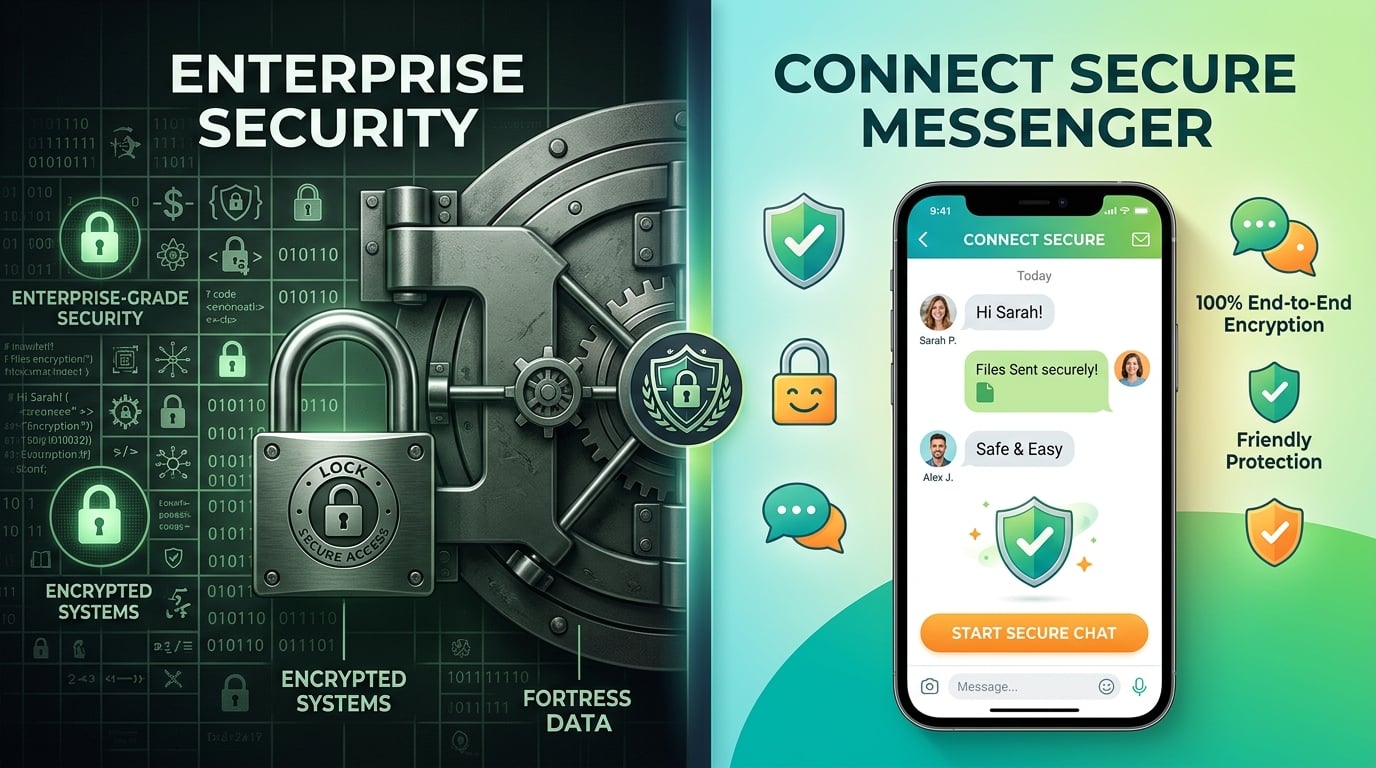
In a head-to-head privacy comparison, Threema edges ahead on minimizing metadata collection. PigeonChat's privacy is still excellent by any reasonable standard — it's the difference between a locked vault and a locked vault with a security camera at the entrance.
User Experience: The Real Differentiator
Here's where the comparison gets interesting, because privacy-focused messengers have historically struggled with user experience. Security and usability have been treated as a zero-sum trade-off, and Threema leans toward the security end of that spectrum.
Threema's interface is functional but sparse. Text messaging, voice messages, polls, and file sharing work well. Group chats support up to 256 members. Voice and video calls are available. But there's a certain... austerity to the experience. The interface prioritizes function over form, and features like stickers, Stories, and animated reactions are absent or minimal.
PigeonChat rejects the premise that security requires sacrificing fun. The platform offers:
- Animated sticker packs with a beloved pigeon mascot that bounces, dances, and celebrates
- Stories with view analytics and engagement tracking
- Channels with live streaming for community building
- Rich message interactions including reactions, replies, forwards, and message editing
- Custom themes with dark mode support
- Full-text search across all conversation history
All of these features work within PigeonChat's encrypted framework. The sticker you send is encrypted. The Story you post is encrypted. The channel message is encrypted. Security doesn't go away when you add personality to the platform.
Group Communication
Threema's groups work but feel basic. Up to 256 members, simple admin controls, and standard messaging features. There's no concept of channels, communities, or larger-scale group organization. Threema Broadcast exists for one-way communication to groups, but it's a simple tool.
PigeonChat's group system is significantly more developed. Group chats support up to 512 members with granular admin controls including banning, restricting, and muting specific members. The channel system allows communities of any size with follower counts, live streaming, and organized content. For anyone building a community or managing a team, PigeonChat's group tools are vastly more capable.
Cross-Platform Support
Threema is available on iOS, Android, and as a web client. The desktop apps function well, and the multi-device support was improved significantly with the introduction of Threema's multi-device protocol. However, the web client requires a persistent mobile connection in some configurations.
PigeonChat offers native apps across iOS, Android, web, and desktop. The web app functions independently — you don't need your phone online to use PigeonChat on your computer. Message sync across devices is instantaneous and reliable. For users who switch between phone and computer throughout the day, PigeonChat's device independence is a meaningful advantage.
The Cost Question
Threema charges a one-time purchase price (approximately $5-6 depending on platform and region). This eliminates ads and subscriptions but creates a friction point for adoption. When every other messaging app is free, asking friends and family to pay — even once — is a harder sell than it sounds. This is Threema's fundamental growth challenge: the best security in the world doesn't help if your contacts refuse to buy the app.
PigeonChat is free to use with all core messaging features included. The premium tier unlocks additional sticker packs, extended file upload sizes, and other enhancements. This freemium model makes adoption frictionless — you can invite anyone to PigeonChat without asking them to spend money.
Enterprise and Professional Use
Threema Work is a well-established enterprise product used by governments, military organizations, and companies with strict security requirements. The German military (Bundeswehr) uses Threema. Multiple Swiss government agencies use Threema. This enterprise credibility is a significant trust signal.
PigeonChat's enterprise features are less developed but growing. The platform's channel system and group management tools work well for team communication, but it doesn't yet offer the dedicated enterprise administration features that Threema Work provides. For organizations that need centralized user management, compliance tools, and MDM integration, Threema Work remains ahead.
Who Should Choose Which?
Choose Threema if: privacy is your absolute top priority, you're willing to convince contacts to purchase the app, you value Swiss jurisdiction and open-source auditing, and you don't need extensive social features. Threema is the right choice for journalists, activists, professionals handling sensitive information, and privacy purists who prioritize security above all else.
Choose PigeonChat if: you want strong encryption without sacrificing the modern messaging experience, you need an app that friends and family will actually adopt (because it's free), you value community features like channels and Stories, and you believe that the most secure messenger is the one people actually use daily.
The privacy gap between Threema and PigeonChat is real but narrow. The experience gap is wide. For most users, PigeonChat's combination of strong security and genuine fun is the more practical choice. For users in high-risk situations where even metadata minimization matters, Threema remains the gold standard.

Writer & Editor at PigeonChat
Related Articles

Viber, Telegram, and Messenger compared for private chat

Signal alternative chat app: what users actually want

What a true WhatsApp alternative should include

WhatsApp, Signal, Viber, and Telegram compared
Why chat folders matter for busy group conversations