How to Use Polls and Surveys in Group Chats to Make Better Decisions
Stop the endless 'what do you think?' loops. Learn how polls and structured decision-making in group chats save time, reduce conflict, and actually get things done.
Why Group Decisions Go Sideways in Chat
We've all been there. Someone asks "Where should we eat Friday night?" and forty-seven messages later, no one has decided anything. Three people are pushing for sushi, two want pizza, and one person has gone completely silent. Group chats are phenomenal for conversation but terrible for decisions — unless you use the right tools.
The Power of Structured Polls
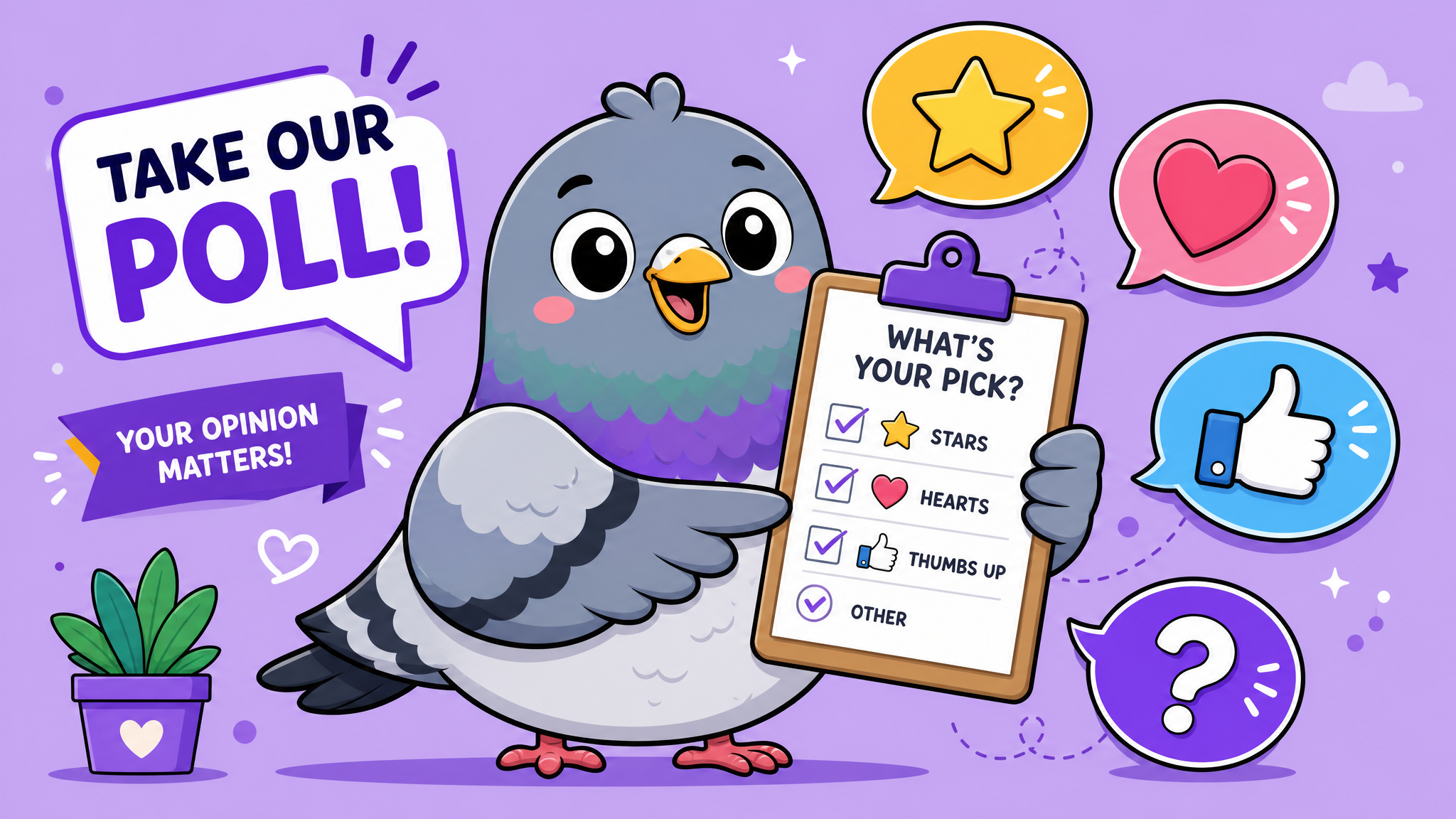
Polls cut through the noise. Instead of an open-ended question that generates chaos, a well-crafted poll presents clear options and lets everyone vote without pressure, social influence, or the loudest-voice-wins dynamic. Research in organizational behavior consistently shows that structured decision-making produces better outcomes than unstructured discussion.
Modern messaging apps — including PigeonChat — support built-in polling features that make this effortless. But even without native tools, you can use numbering systems, reaction-based voting, or simple structured formats.
Five Scenarios Where Polls Save the Day
1. Scheduling Meetups
Instead of "When works for everyone?", create a poll with specific date/time options. People tap their availability. The option with the most overlap wins. Done in minutes, not hours.
2. Choosing Restaurants or Activities
List 3-4 pre-researched options. Include brief descriptions. Let the group vote. This prevents the paradox of choice that paralyzes open-ended discussions.
3. Planning Trips
Destination polls, activity polls, budget range polls — breaking a complex trip into sequential decisions makes planning manageable and keeps everyone invested.
4. Team Decisions at Work
Sprint priorities, meeting times, tool preferences, design directions. Quick polls in work group chats replace drawn-out email threads and meeting time.
5. Community and Club Governance
Book clubs choosing the next read, sports groups voting on match day, parent groups deciding on field trip destinations — polls democratize these decisions beautifully.
Best Practices for Effective Polls
- Limit options to 3-5 choices — too many options cause decision fatigue
- Include an "Other/Suggest" option to catch ideas you missed
- Set a clear deadline — "Vote by Thursday 6 PM" creates urgency
- Allow multiple selections when flexibility matters (like scheduling)
- Make polls anonymous when the topic is sensitive to get honest responses
- Follow up with results — announce the outcome clearly so everyone knows the decision
The Psychology Behind Why Polls Work
Polls work because they address three core problems with group chat decisions. First, they eliminate anchoring bias — the first opinion stated in a chat disproportionately influences everyone else. Second, they overcome social pressure — quiet members are more likely to vote than to speak up against a popular opinion. Third, they create a commitment mechanism — once you've voted, you're psychologically invested in the outcome.
Make Better Decisions, One Poll at a Time
The next time your group chat descends into indecision chaos, pause the conversation and create a poll. It takes thirty seconds and saves hours of circular discussion. Your group members will thank you — and you might just become the unofficial Decision Hero of your friend circle.

Writer & Editor at PigeonChat
Related Articles
Why chat folders matter for busy group conversations

How image sharing works in private chat apps

What chat features users expect in modern private apps

Why chat folders help busy groups stay organized

How chat groups help schools and universities stay organized