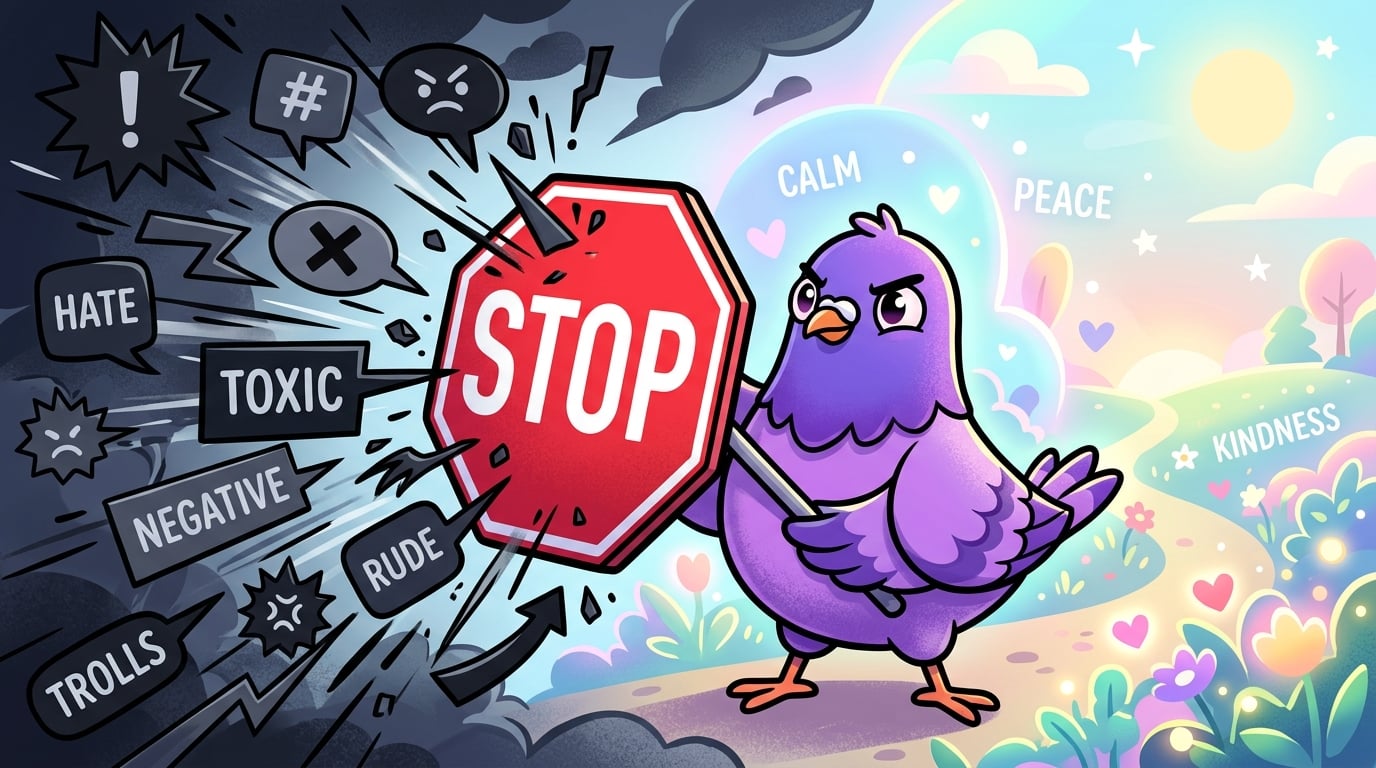
How to Deal With Toxic Group Chats Without Losing Your Friends
Group chats can become breeding grounds for negativity. Learn diplomatic strategies to address toxicity, set boundaries, and maintain healthy group dynamics.
What starts as a fun group chat can sometimes devolve into a source of stress. Whether it's constant negativity, drama, or someone who dominates every conversation, toxic group dynamics are more common than you'd think.
Recognizing the Signs
A group chat has turned toxic when you feel anxious checking it, when one or more members consistently put others down, or when leaving feels like the only option but you're afraid of social consequences.
Strategy 1: The Direct Approach
Sometimes, simply addressing the issue head-on works. "Hey, can we keep things more positive in here?" is surprisingly effective. Most people don't realize their behavior is impacting others.
Strategy 2: Mute, Don't Leave
Muting notifications gives you control over when (and if) you engage. You stay in the group without the constant pressure of real-time responses.
Strategy 3: Create a Sub-Group
If the toxicity comes from specific members, create a smaller group with the people you actually enjoy chatting with. It's not exclusionary — it's self-care.
Strategy 4: Set Boundaries
"I'm taking a break from this chat for a while" is a perfectly valid statement. Real friends will respect your need for space.
When to Leave
If the group consistently makes you feel worse about yourself or your day, leaving is the healthy choice. No group chat is worth your mental health.
Pigeon gives you full control over your chat experience — mute, leave, or manage at your pace.

Writer & Editor at PigeonChat
Related Articles

How chat groups help schools and universities stay organized

How chat groups support schools and universities

Why chat folders help busy groups stay organized

How chat groups support schools and universities

Why chat folders matter for busy group conversations