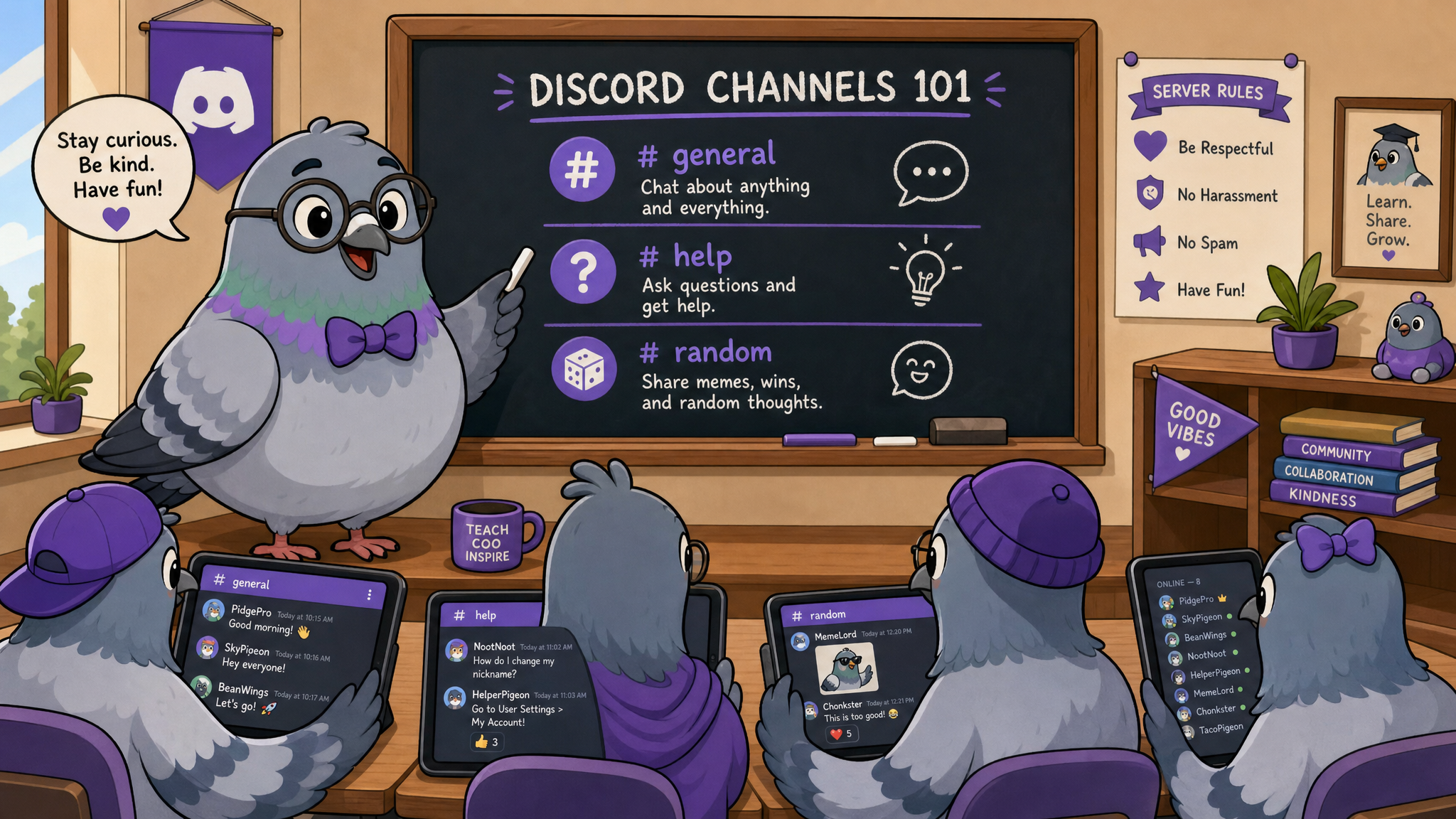
How Teachers and Students Are Using Chat Channels for Better Learning
Chat channels are transforming classrooms from lecture halls into collaborative learning communities. Discover how educators are using messaging to boost engagement and outcomes.
The Classroom Has Moved to Chat
When the pandemic forced schools online, messaging tools were an emergency measure. Five years later, they've become a permanent, intentional part of education — not replacing the classroom, but extending it into a persistent, accessible, always-available space where learning continues between bells and beyond campus.
Why Chat Channels Work for Education
Traditional classroom dynamics have a participation problem: a few confident students dominate discussions while quieter students rarely speak. Research from Harvard's Graduate School of Education found that in a typical 50-minute class, the average student speaks for less than 2 minutes. Chat channels invert this dynamic. Students who'd never raise a hand in class will thoughtfully type out questions and insights in a channel. The written format gives them time to compose their thoughts, and the reduced social pressure of text-based communication lowers the participation barrier dramatically.
Five Channel Structures That Transform Learning
1. The Q&A Channel
A dedicated channel where students can ask questions at any time — during lectures, while doing homework, or at midnight before an exam. Other students often answer before the teacher does, creating peer-to-peer learning. The result is a searchable knowledge base that grows throughout the semester.
2. The Discussion Channel
Instead of or supplementing in-class discussions, threaded chat discussions allow every student to contribute at their own pace. Introverted students thrive. International students who need more time to compose in English participate fully. And the discussion doesn't end when the bell rings.
3. The Resource Hub
A pinned-message collection of all course materials: syllabus, reading lists, assignment links, past exam papers, and supplementary resources. Students never need to email "Where do I find the assignment?" again.
4. The Study Group Channel
Student-created channels for collaborative study. Groups share notes, quiz each other, explain difficult concepts, and organize study sessions. Teachers can observe without intruding, identifying students who are struggling or excelling.
5. The Announcement Channel
One-way broadcast channel for class announcements, deadline reminders, and schedule changes. Students opt in to notifications, ensuring they never miss critical updates. This replaces the "I didn't see the email" excuse entirely.
Real Results from Real Classrooms
A 2025 meta-analysis of 47 studies across K-12 and higher education found that classes using structured messaging channels alongside traditional instruction showed a 23% increase in student engagement, 18% improvement in assignment completion rates, and measurably better exam performance — particularly among students who were previously classified as "disengaged."
Setting Boundaries for Healthy Use
- Define response time expectations — teachers aren't available 24/7; a 24-hour response window is reasonable
- Separate academic and social channels — off-topic chat is fine, but it shouldn't drown out course content
- Establish communication norms — respectful discourse, no harassment, academic integrity rules
- Protect student privacy — grades, personal issues, and sensitive matters go through private channels only
The Future Is Hybrid
The best learning environments in 2026 aren't purely in-person or purely digital — they're hybrid ecosystems where face-to-face and chat-based interaction complement each other. The classroom gives you presence, spontaneity, and human connection. The chat channel gives you persistence, inclusivity, and accessibility. Together, they create something neither can achieve alone.

Writer & Editor at PigeonChat
Related Articles
Best Free Team Chat App for Small Businesses and Remote Teams in 2026

Best Free Team Chat Apps for Small Businesses in 2026

The Best Slack Alternatives in 2026: Free Team Chat Apps

Best Business Group Chat Apps in 2026: How Teams Actually Communicate
Why chat folders matter for busy group conversations