Private vs Anonymous Messaging: What's the Difference in 2026?
Private and anonymous aren't the same thing. Understanding the difference helps you choose the right messaging app — and protect what actually matters to you.
"Private" and "anonymous" are two of the most misused words in the world of messaging. People throw them around interchangeably, assuming a private app is anonymous, or that an anonymous one is automatically private. But they describe two very different things, and confusing them can lead you to choose the wrong app — or to feel protected when you actually aren't.
Understanding the distinction is one of the most useful pieces of digital literacy you can have in 2026. It helps you think clearly about what you're really trying to protect, and pick a messaging app that genuinely delivers it. Let's break it down.
What "Private" Actually Means
Privacy is about the content of your communication being protected from others. A private conversation is one where what you say can only be read by you and the person you're talking to — not the app provider, not advertisers, not hackers, not governments. The key technology here is end-to-end encryption, which scrambles your messages so only the intended recipient can unscramble them.
Importantly, privacy does not mean hiding who you are. In a private conversation, both people usually know exactly who they're talking to — your identity is known, but the contents of your chat are confidential. Think of it like a sealed letter: everyone knows it's from you, but only the recipient can read what's inside.
What "Anonymous" Actually Means
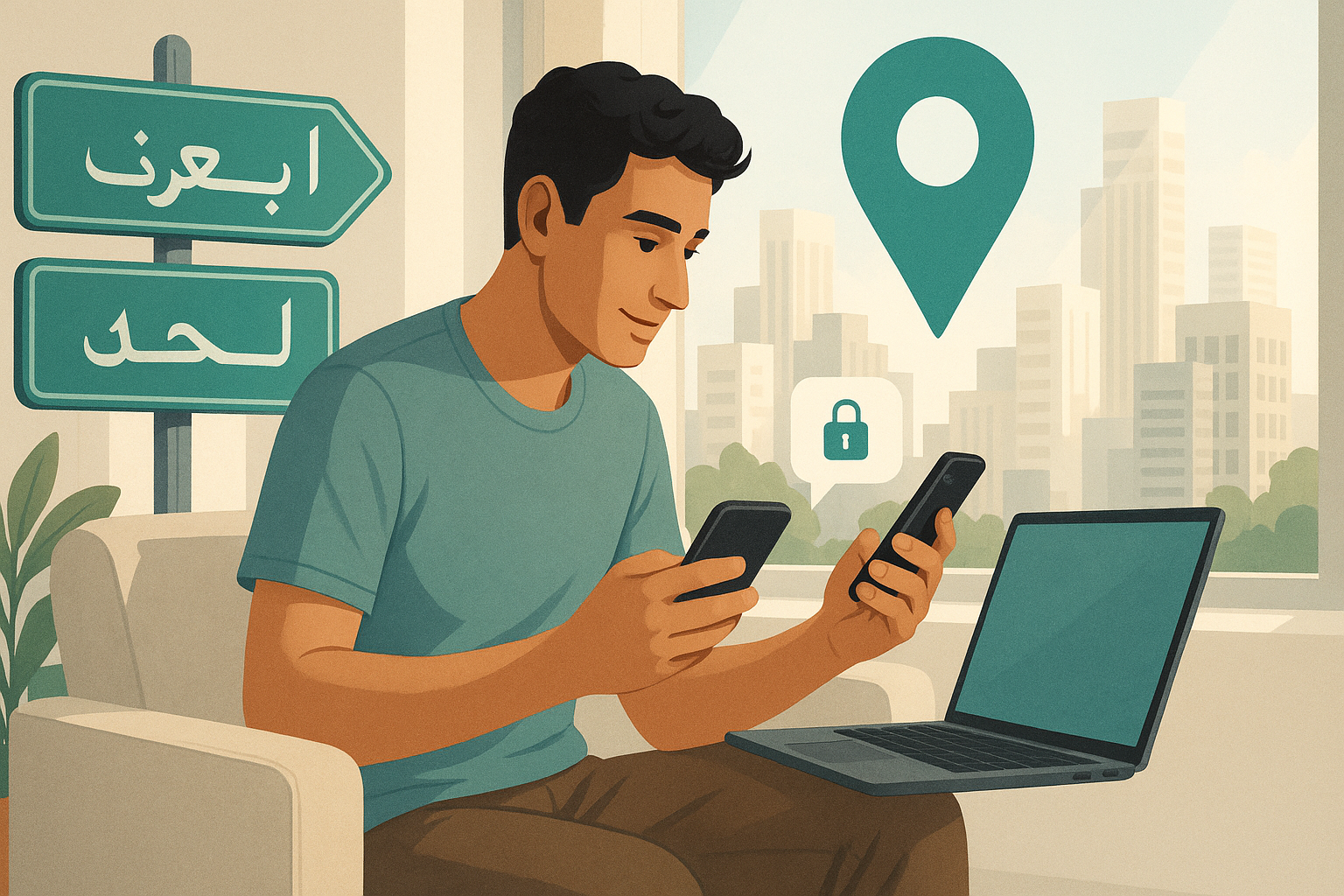
Anonymity is about hiding your identity. In an anonymous system, the goal is that no one — not even the person you're talking to — can connect the message back to the real you. Your name, phone number, and identity are concealed.
Here's the catch many people miss: anonymity doesn't automatically mean your messages are private. An anonymous message could still, in theory, be read by the platform or intercepted if it isn't encrypted. The two properties are independent.
Privacy and Anonymity: Four Combinations
- Private but not anonymous: You know who you're talking to, and your conversation is encrypted. This is what most people actually want for messaging friends, family, and partners.
- Anonymous but not private: Your identity is hidden, but the message itself could be exposed. Common on anonymous forums or message boards.
- Both: Identity hidden and content encrypted. Useful for whistleblowers or activists in high-risk situations.
- Neither: Your identity and your message are both exposed. Sadly, this describes a lot of everyday communication.
Which One Do You Actually Need?
For the vast majority of people and everyday conversations, what you want is privacy, not anonymity. You're talking to people you know — your family, your friends, your colleagues — so hiding your identity from them makes no sense. What you want is the confidence that the contents of those conversations stay between you and them, protected from companies, advertisers, and bad actors.
True anonymity is a specialised need, important for specific high-risk situations like whistleblowing or activism under repressive regimes. But for daily life, privacy is the goal — and it's the property that protects what most of us actually care about.
Don't Be Fooled by Marketing
Plenty of apps market themselves with vague promises of being "private" or "secure" without backing it up. The questions to ask are concrete: Is it end-to-end encrypted by default? How much data does it collect about me? Does it minimise metadata? A genuinely private app gives clear, honest answers — not just reassuring buzzwords.
How PigeonChat Delivers Real Privacy
PigeonChat is built around the privacy that actually matters for everyday life. We protect the content of your conversations and operate on a privacy-first philosophy: we minimise the data we collect, we don't profile your conversations to build an advertising picture of you, and we never treat your private exchanges as a product to be sold.
You connect with people you know and trust — your identity is yours to share — while the substance of what you say stays confidential. For those who want extra discretion, features like usernames let you connect without broadcasting your phone number, and disappearing messages limit the trail you leave behind. PigeonChat gives you the genuine, practical privacy that protects your real relationships, without the false promises.
The Bottom Line
Private and anonymous are not the same. Privacy protects the content of your conversations; anonymity hides who you are. For everyday messaging with people you know, privacy is almost always what you actually need — and it's worth choosing an app that delivers it honestly, with strong encryption, minimal data collection, and a genuine commitment to keeping your conversations yours.

Writer & Editor at PigeonChat
Related Articles
What a European chat app should offer now

What an EU chat app needs beyond privacy claims
What a browser-based end to end encryption chat app needs
How PigeonChat.site fits the EU privacy app search
Why browsers are becoming the new private chat home