
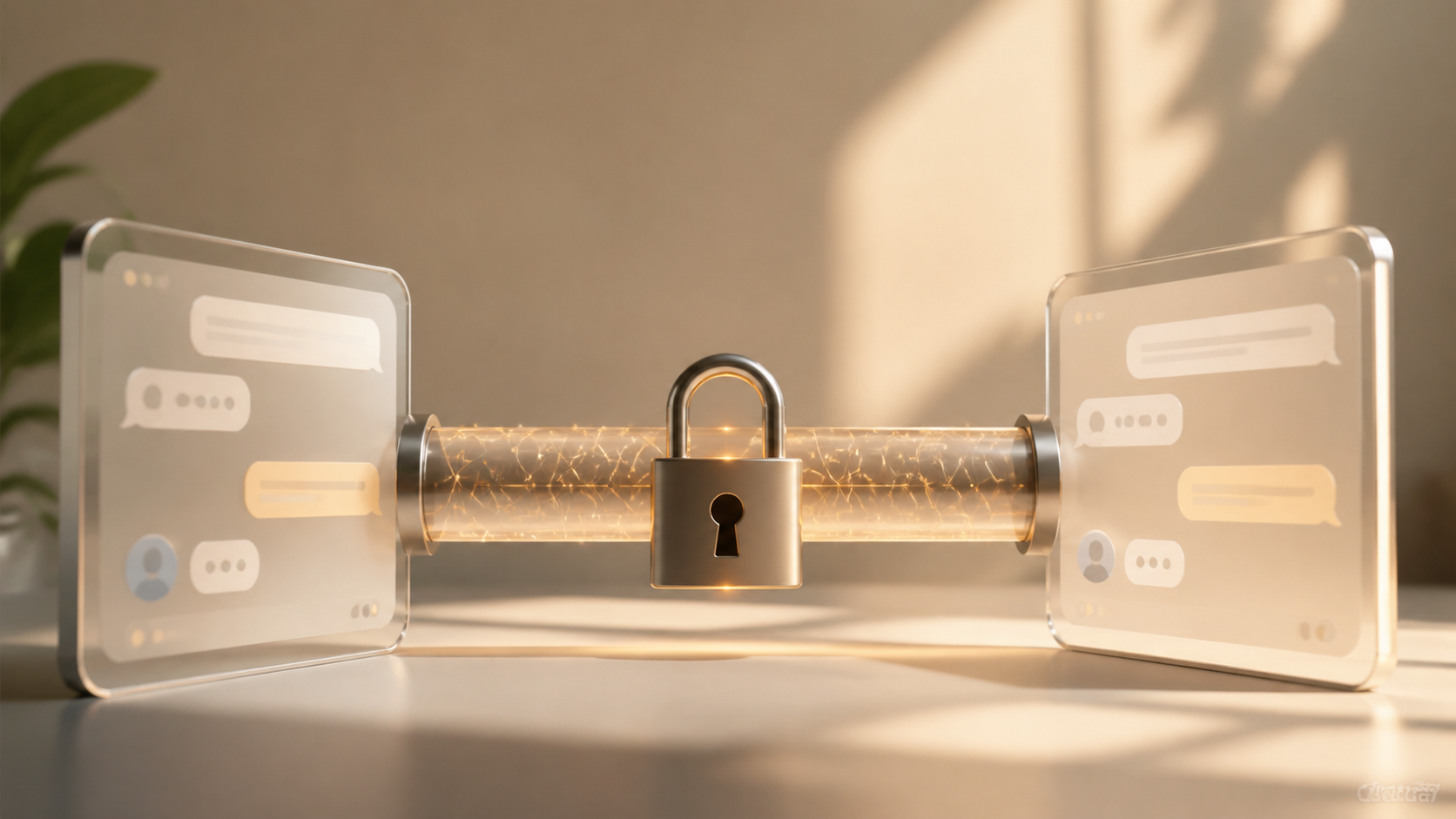
What makes an end to end encryption chat secure
Learn how end to end encryption chat apps protect messages, what e2e really means, and which design choices improve private communication.
An end to end encryption chat can be a strong foundation for privacy, but encryption alone does not make a service secure. The real question is broader: who can read messages, who can access the devices, what happens if an account is recovered, and how messages are stored, handled, and deleted along the way.
If you are comparing a privacy first chat app with a mainstream messenger, it helps to separate marketing language from actual design. An end to end encryption chat protects message content in transit and at rest on the provider’s servers, but that still leaves room for risks such as compromised phones, weak backups, exposed notifications, and poor account recovery flows.
This is why security should be understood as a system, not a single feature. Apps like PigeonChat, Signal, and other e2e tools can all reduce exposure, but the details of device access and message handling often decide whether the protection works in practice.
What end to end encryption actually secures
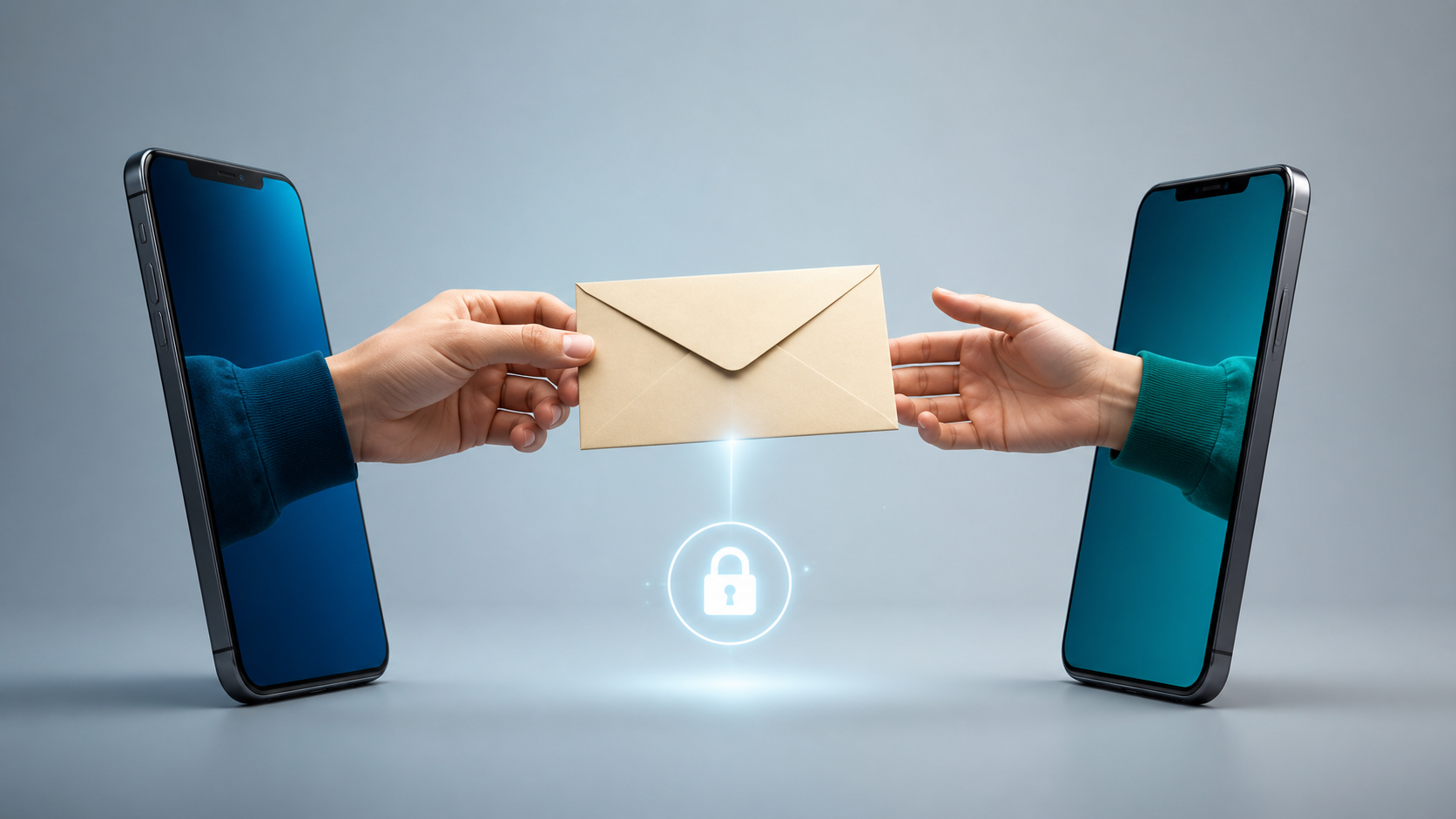
End to end encryption means messages are encrypted on the sender’s device and only decrypted on the recipient’s device. In a properly designed system, the service provider should not be able to read message content as it passes through its servers.
That is valuable, because it limits what a server breach can reveal. It also reduces the amount of trust you need to place in the company running the service. But it is important not to overstate it. Encryption protects the message payload, not every surrounding detail.
For example, a provider may still know metadata such as when a message was sent, which account is talking to which, or how often a user connects. Some services minimise this information better than others, but no chat system becomes magically private simply because it uses encryption.
Device access is often the weakest link
A secure message is only as safe as the device that receives it. If someone can unlock your phone or laptop, they may be able to view chats directly, regardless of how strong the encryption was in transit.
That is why device security matters so much. Strong device passcodes, biometric locks used sensibly, operating system updates, and sensible app permissions all contribute more than many people realise. If your screen is unlocked, encryption has already done its job and the problem has moved elsewhere.
Notification previews are another common issue. Even if message content is protected on the wire, a lock screen preview can expose the first line of a message to anyone who glances at your device. A privacy first chat app should make this easy to control, but users still need to check the settings.
Account recovery can weaken a secure design
Recovery is one of the hardest parts of secure messaging. If an app makes it too easy to regain access, it may also make it too easy for an attacker to take over an account. If it makes recovery too hard, users may lose access to their own messages and contacts.
This tension matters in any e2e chat app PigeonChat or similar service. Good account recovery should be explicit, limited, and understandable. Ideally, it should avoid silently creating new trust paths that bypass encryption or identity checks.
Useful questions include: can someone reset access with only an email address, can they move your account to a new device without a second factor, and what happens if they lose the recovery method itself? A secure system makes these steps clear rather than hidden.
- Use a strong device passcode rather than relying only on convenience unlock methods.
- Review how account recovery works before you depend on the app for sensitive conversations.
- Check whether the service offers two factor protection or device-based confirmations.
- Consider how easy it is for a lost phone to become a lost account.
- Look for recovery processes that do not weaken end to end encryption behind the scenes.
Message handling matters as much as encryption
Many users assume that if a chat is encrypted, the messages must be safe everywhere. In practice, messages can be copied, forwarded, backed up, cached, or displayed in ways that create new risks.
Automatic cloud backups are a good example. If message contents are copied into a backup system outside the app’s encrypted model, the privacy guarantees may no longer be the same. Even when backups are encrypted, you still need to know who holds the keys and how they are protected.
Media handling also matters. Images, voice notes, and files may be stored differently from text messages. A careful privacy first chat app should explain what is encrypted, what is retained, and what is deleted when a conversation is removed.
Metadata and contact patterns still reveal a lot
Even a strong end to end encryption chat cannot hide every trace of communication. The service may still need to route messages, deliver notifications, and manage accounts. Those operations can leave behind metadata that tells a story without showing the content itself.
This is why secure design is broader than cipher choice. It includes data minimisation, short retention periods, and restraint about collecting logs that are not essential. The less the service knows, the less can be exposed later.
If you are evaluating a messenger, ask whether it can operate with minimal account information, whether it supports ephemeral message handling, and whether it avoids unnecessary analytics. PigeonChat, for example, should be judged not just on encryption claims but on how carefully it handles the surrounding data.
What to look for in a secure chat app
If you are comparing services such as Signal, PigeonChat, or other encrypted messengers, focus on the full design rather than the headline feature list. Security is usually the result of many small choices working together.
Some of those choices are technical, while others are about defaults and user experience. A secure app should make the private path the easy path, rather than leaving important settings buried or unclear.
Useful signs include clear explanations of what is protected, transparency about backups and recovery, and sensible controls for device sessions and notifications. A good app will not promise perfect secrecy, but it will make trade-offs understandable.
Frequently asked questions
Is end to end encryption enough on its own?
No. It protects message content between devices, but it does not by itself secure your phone, your recovery process, or every piece of data around the message. A service can still expose information through metadata, backups, notifications, or a compromised device.
Why does device security matter so much for encrypted chat?
Because the message has to be decrypted somewhere, and that somewhere is your device. If someone can unlock the device, read your screen, or install malicious software, encryption cannot help much at that stage. Secure chats still depend on secure endpoints.
What is the biggest hidden risk in a privacy first chat app?
Account recovery is often overlooked. If recovery is too permissive, it can create an easy route into your account. If it is too weakly designed, it can expose messages or let someone impersonate you. It should be carefully designed and clearly explained.
The safest way to think about encrypted messaging is this: encryption is necessary, but not sufficient. A secure chat service needs careful device protection, restrained recovery, sensible message handling, and honest data practices. That is the standard users should expect from any privacy first chat app, including PigeonChat.
Ready to try PigeonChat?

Writer & Editor at PigeonChat
Related Articles
What makes an end to end encryption chat app secure
What a fully compliant EU chat app should include
Why people search for a WhatsApp alternative without a number
What end to end encryption chat really protects
Why chat folders matter for busy group conversations