
What chat features matter most in private apps
A clear guide to the chat features people actually use most: encryption, folders, groups, image sharing, stickers, and web access.
Choosing a private chat app is rarely about one headline feature. In practice, the best private apps are the ones that protect conversations without making ordinary use feel awkward. If people have to fight the app just to find a message, send a photo, or organise a group, they will stop using it.
That is why the most important chat features are usually the boring, everyday ones. Strong privacy matters, of course, but so does ease of use. The real goal is a chat experience that feels calm, predictable and trustworthy. PigeonChat is built around that idea, and it is a useful lens for thinking about what to prioritise in any private messenger.
This guide looks at the chat features that matter most when an app must be both private and easy to live with. It will help you separate genuine essentials from extras that sound appealing but do not change your day-to-day experience very much.
Privacy comes first, but it has to be understandable
The foundation of any private app is end to end encryption chat. That means messages are protected between the people in the conversation, so the service itself should not be able to read them in transit. For most users, the technical detail is less important than the practical result: private conversations should stay private.
Just as important is clarity. A privacy feature is not useful if nobody understands when it applies, what it protects, or where it stops. A good private chat app should explain encryption in plain language, show when a chat is protected, and avoid vague claims that sound reassuring but do not say much.
It is also worth looking beyond message content. Metadata, backups, link previews, contact syncing and notifications can all affect privacy in different ways. You do not need to be a security specialist to ask simple questions such as: what is stored, where is it stored, and who can access it?
Message finding matters as much as message sending
People often think of privacy as the main challenge, but usability is what makes a chat app liveable. If you cannot find old conversations quickly, even the most secure app starts to feel frustrating. That is why search, pinning and chat folders often matter more than flashy extras.
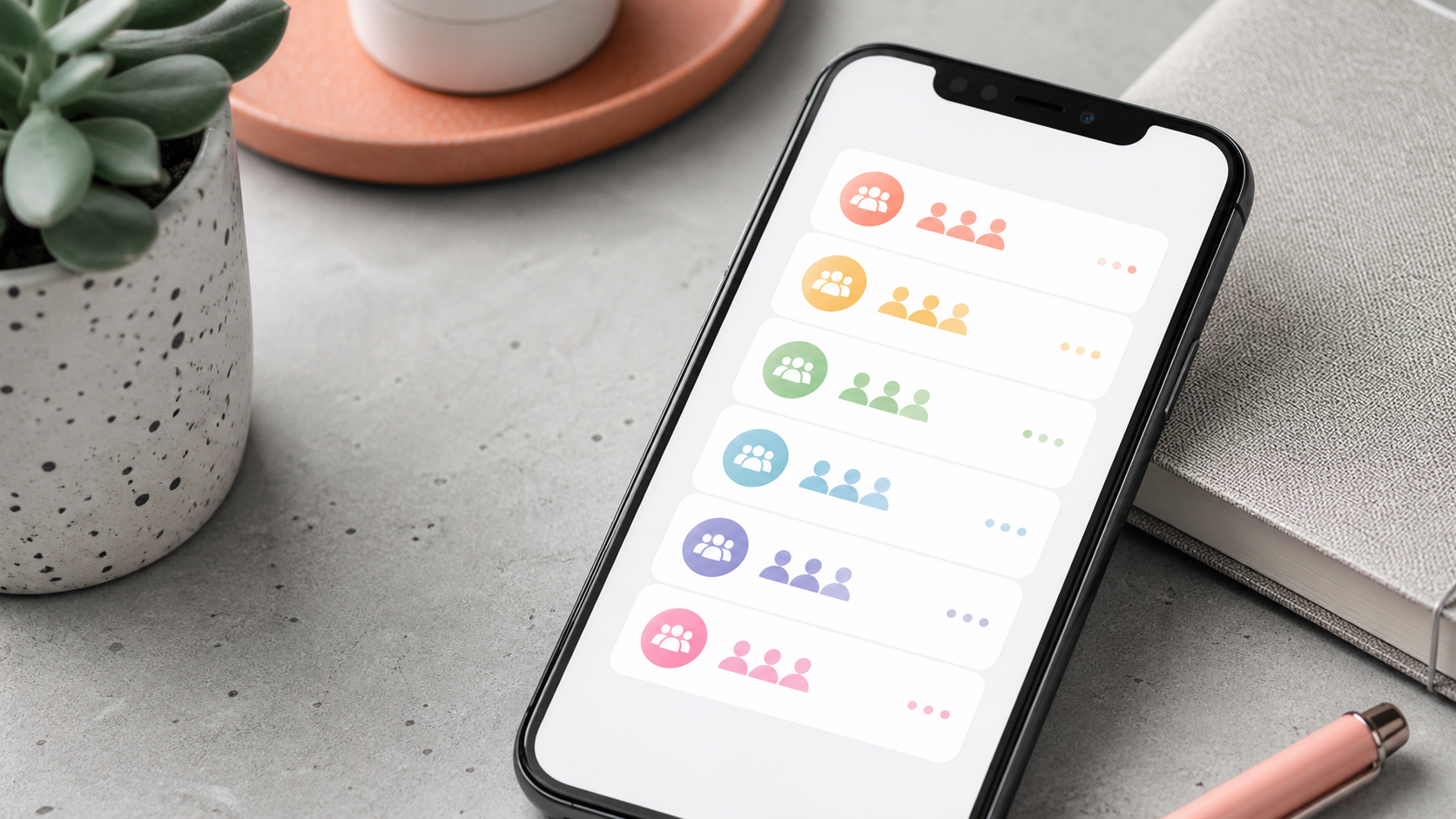
Chat folders are especially helpful once your app contains work groups, family chats, community channels and one-to-one conversations. Folders make it easier to separate urgent threads from everything else, which is valuable in a private app where the goal is often to reduce noise as well as exposure.
Useful organisation features usually have a simple rule: the less effort required to keep your inbox tidy, the more likely people are to keep using the app properly. A clean structure also makes private communication feel less chaotic, which is an underrated part of trust.
- Search should work across recent and older messages
- Chat folders should be simple to create and rename
- Pinned chats should stay visible without overwhelming the screen
- Muted threads should be easy to silence without deleting them
- Archived chats should be recoverable without confusion
Media sharing should be secure, quick and predictable
Most people do not use chat for text only. image sharing is a core feature in modern private apps because photos, screenshots and documents often carry more meaning than words. If media upload is slow, broken or awkward, users will work around the app instead of relying on it.
That does not mean every app needs every possible media format. It does mean the app should handle the basics well: sending images at a sensible quality, previewing files clearly, and making it obvious when something has uploaded successfully. A private app should not turn a simple photo exchange into a guessing game.
Good media handling also includes sensible controls. People may want to limit automatic downloads, manage storage, or remove sensitive images from a thread later. A privacy-first app should make those choices straightforward rather than burying them in settings.
Expression features should stay optional, not overpowering
There is a reason sticker chat remains popular. Stickers can make conversations feel warmer, faster and more personal without requiring a long message. In a private app, that can be valuable because people often use closed spaces for informal conversation as much as for serious planning.
The key is restraint. Expression features should add personality, not clutter. A private messenger that fills the screen with animated prompts, endless sticker packs and attention-grabbing buttons can feel less private simply because it feels busier and less controlled.
Think of these features as seasoning. A little can make the experience more human, especially for group chats and close relationships, but the app should never depend on them to seem interesting. If the core conversation is weak, stickers will not fix it.
Notifications, controls and defaults shape everyday trust
The most overlooked chat features are often the ones users notice only when they are wrong. Notifications, read receipts, typing indicators and default privacy settings all influence how safe and manageable a chat app feels. These details matter because they shape habits every day.
For example, a private app should let users decide how much activity is shown on the lock screen, whether message previews appear, and which chats can interrupt them. Quiet defaults are usually better than noisy ones, especially when the app is meant for sensitive or personal communication.
It is also worth paying attention to controls around message deletion, disappearing messages and exports. These are the kinds of features that can be genuinely useful, but only when they are easy to understand. Poorly explained controls create more uncertainty than they solve.
What to prioritise when choosing a private chat app
If you are comparing apps, focus on the features that affect daily use rather than the ones that merely look impressive in a screenshot. A private app should make good habits easy, not require constant configuration. That is the difference between a tool people trust and one they abandon.
Here is a practical way to judge the chat features that matter most:
- Privacy is clear, with end to end encryption chat explained in plain language
- Organisation is easy, including chat folders, search and pinned conversations
- Media works well, especially image sharing and file previews
- Conversation feels natural, with optional sticker chat and other light expression tools
- Controls are simple, especially for notifications, visibility and deletion
As a rule, the best apps do the unglamorous things well. They protect messages, help people find what they need, and avoid adding friction where it is not necessary. That balance is what makes private communication feel sustainable instead of burdensome.
Frequently asked questions
Is end to end encryption enough for a private chat app?
It is essential, but usually not enough on its own. A private app also needs sensible defaults, clear controls, careful handling of backups and notifications, and a user experience that does not expose sensitive information by accident.
Are chat folders really important?
Yes, especially once a chat app is used for more than a few conversations. chat folders help separate important threads from casual ones, which makes a private app easier to manage and less mentally noisy.
Do sticker chat features weaken privacy?
Not by themselves. sticker chat is mainly a usability and expression feature. The real question is whether the app handles media and metadata responsibly, and whether optional extras stay optional.
In the end, the best private messenger is the one that respects both your privacy and your time. If an app gets the basics right, the rest tends to feel easier. That is the standard PigeonChat aims for, and it is a useful standard to apply anywhere you are choosing a new place to talk.
Ready to try PigeonChat?

Writer & Editor at PigeonChat
Related Articles

Why people want a best chat app UAE option

PigeonChat.site: what the private browser app is for

PigeonChat.site explained for private browser messaging
What chat features users expect in modern private apps
Why chat folders matter for busy group conversations