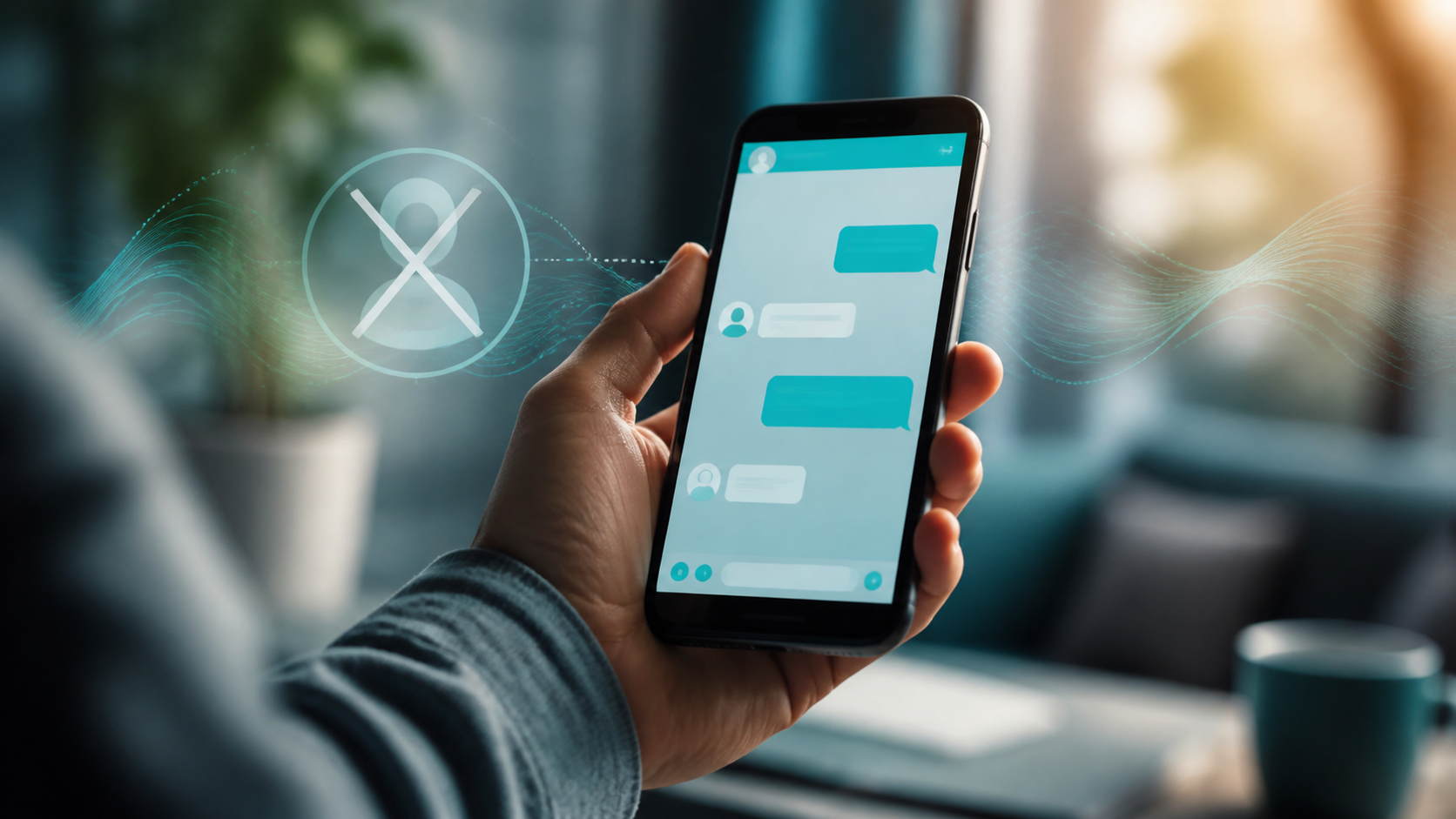
Why people search for a WhatsApp alternative without a number
Find out why users want a chat app without a phone number, and what that choice changes for privacy, access and account control.
For many people, the search for a WhatsApp alternative is not really about features first. It starts with a simple question: why should a chat app need my phone number at all? That question leads directly to privacy, control, and whether a service is easy to join without handing over more personal data than feels necessary.
There are also practical reasons. A phone number can be a poor fit for people who want to keep work and personal life separate, for those using multiple devices, for anyone changing numbers often, and for users who simply do not want their messaging tied to a SIM card. A privacy first chat app that allows phone number free chat can be a better match for those needs.
This is why number-free signup keeps coming up whenever people compare chat platforms. It is not just a niche preference. It can make an alternative chat app feel more usable, more private, and more accessible from the very first step.
Why number-free signup matters in a WhatsApp alternative
A phone number is a stable, personal identifier. That is useful for some services, but it also creates a strong link between your account and your real-world identity. If you are trying to reduce that link, a WhatsApp alternative that does not require a number immediately feels different.
People often want chat accounts to be as lightweight as email addresses once were. You sign up, choose a name, and start talking. That is especially appealing if you are using a service for community groups, hobbies, guest access, or temporary conversations where sharing a mobile number feels excessive.
For some users, the issue is not only privacy but trust. If a service asks for a number up front, people may wonder what else it will require later. In that sense, number-free signup acts as a signal. It says the product was designed with privacy first chat app principles in mind.
Privacy reasons people avoid phone number based chat
Phone numbers are often used as account recovery tools, identity links, and contact discovery mechanisms. Those functions can be convenient, but they also increase the amount of personal information associated with your messaging account. Many people now prefer to minimise that exposure where they can.
There is also the question of visibility. If your number is linked to a chat profile, it may be easier for others to connect your account with other services, especially if that number appears elsewhere online. Even when a platform promises good protection, some users still prefer a smaller data footprint from the start.
That is one reason people look for a phone number free chat option rather than simply accepting the default. They may not be avoiding messaging itself. They are avoiding the extra layer of identity attachment that a number can create.
- Less personal data shared at sign-up
- Better separation between identity and messaging
- Lower risk of unwanted contact through the same number
- More comfortable for guest, temporary, or community use
- Easier to treat chat as a service, not an extension of your SIM card
Accessibility and practical use cases
Not everyone can or wants to rely on a mobile number. Some people use a data-only device, a shared device, or a work phone they cannot use for personal sign-up. Others may be travelling, switching providers, or waiting for a new number. In those situations, a number-free onboarding flow can be the difference between joining and giving up.
There is also the issue of usability across contexts. If you are setting up chat access for a group, event, classroom, or support community, asking every person for a phone number can create friction. A simpler alternative chat app can make it easier for people to participate without an extra hurdle.
This is where products such as PigeonChat can be appealing. A service that supports sign-up without a number removes one of the most common barriers to entry, which is useful even if you are only experimenting and not fully committed to switching yet.
What to look for in a privacy first chat app
Choosing a privacy first chat app is not only about whether it asks for a number. You also want to know how it handles account recovery, contact discovery, message storage, and device access. The best choice is usually the one that asks for the least data while still giving you the controls you actually need.
It helps to think about your priorities before comparing services. For some people, anonymity is important. For others, the priority is simply not to link chat to a personal phone number. Those are related goals, but they are not identical, so it is worth checking the details.
A good shortlist might include the following points:
- Can you sign up without a phone number?
- Are contacts discovered through numbers, usernames, or invites?
- Can you control who can message you?
- Does the app work well on multiple devices?
- Are the privacy settings understandable without technical knowledge?
If a service is vague about these basics, that is usually a sign to keep looking. A well-designed alternative chat app should make privacy choices visible, not buried.
Why people compare WhatsApp with other chat apps
When people search for a whats app alternative, they are often responding to a mix of concerns rather than one single issue. They might want better privacy, less reliance on a phone number, a simpler interface, or more control over how they are found.
In that context, the phrase alternative chat app can mean more than replacement. It can mean an app that works differently at the identity layer. That difference matters, because the first few minutes of using a service often shape whether it feels respectful of the user.
Some chat apps still mirror the old assumption that a number is the natural way to identify a person. Others are moving towards usernames, invites, or other login methods. For people who value flexibility, that shift is welcome. It also makes chat more accessible to users who would rather not expose a number just to start a conversation.
How PigeonChat fits into this shift
PigeonChat sits in the space where privacy and accessibility overlap. If your main concern is phone number free chat, a service like PigeonChat shows how a messaging app can be designed with a lighter sign-up experience in mind.
That does not mean every person should switch to the same tool, or that number-free sign-up solves every privacy issue. It does mean the design choice is meaningful. If a chat product respects the idea that a phone number is not always necessary, it lowers friction for people who want a calmer, simpler way to connect.
Even if you never sign up, it is still worth understanding why this approach appeals to so many users. The demand is not just about avoiding a form field. It is about choosing tools that fit real life, protect personal boundaries, and make communication easier rather than more invasive.
Frequently asked questions
Why do people want a WhatsApp alternative without a number?
Most people want to reduce the amount of personal data tied to their messaging account. A phone number can link chat to identity, contact discovery, and recovery features, so number-free signup can feel more private and more flexible.
Is a phone number free chat app always more private?
Not automatically. Avoiding a number is a good start, but privacy also depends on how the app handles messages, metadata, device access, and account recovery. It is best to look at the full design, not just the sign-up method.
Who benefits most from a privacy first chat app?
People who want to separate work and personal life, use shared or temporary devices, join groups without sharing a mobile number, or keep their contact details more private usually benefit the most. It can also help anyone who simply prefers a lower-friction way to start chatting.
In the end, the search for a whatsapp alternative without a number is really a search for choice. People want messaging that fits their habits, their comfort level, and their privacy expectations. When a chat app makes that possible, it is easier to use, easier to trust, and easier to recommend.
Ready to try PigeonChat?

Writer & Editor at PigeonChat
Related Articles
What makes an end to end encryption chat app secure

What a fully compliant EU chat app should include

Why people search for a WhatsApp alternative without a number

What end to end encryption chat really protects
Why chat folders matter for busy group conversations