
How chat folders keep busy groups organized
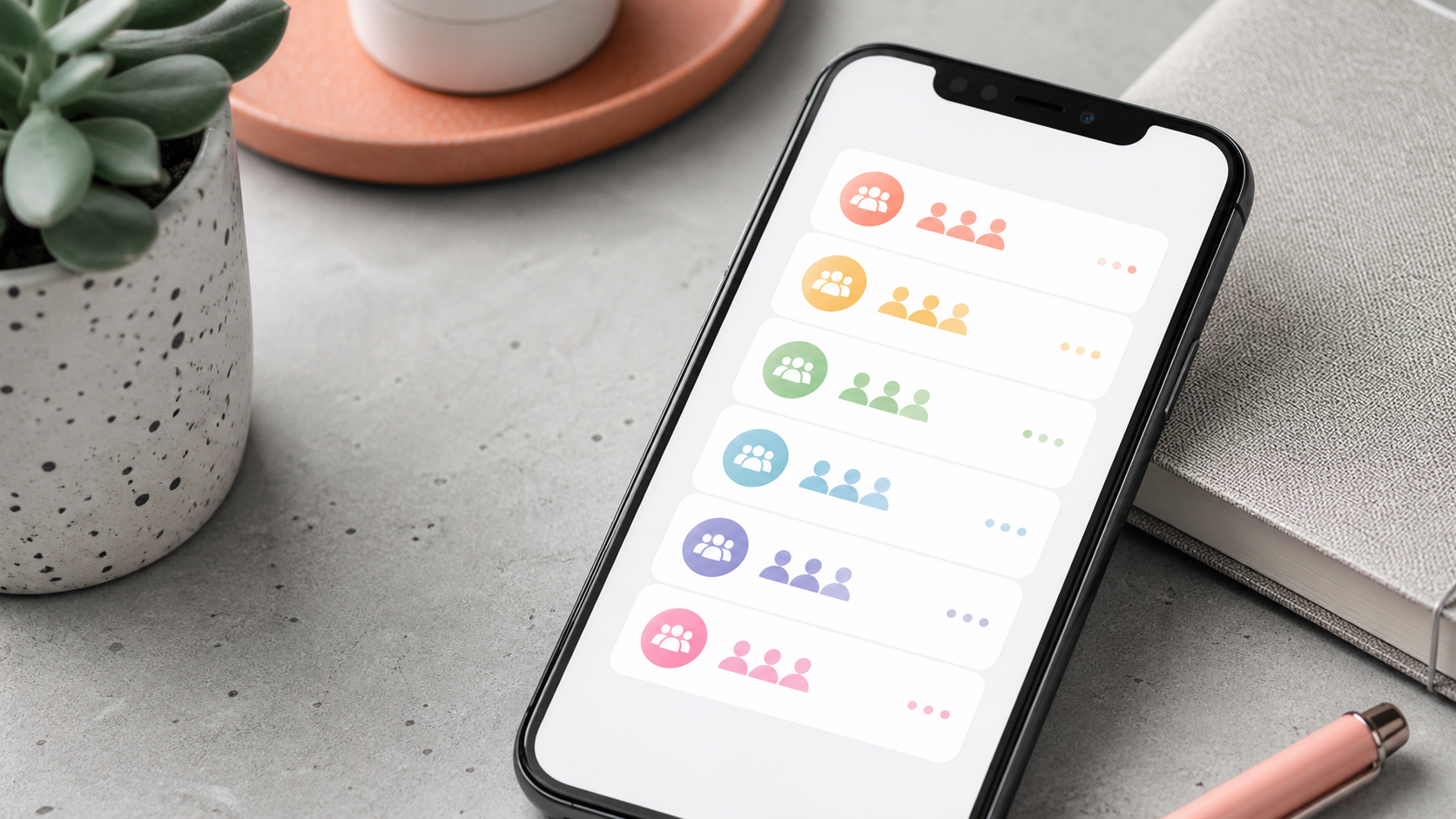
Chat folders can separate school, work, and community threads so important messages do not get buried in active group chats.
When a group chat is small, it is usually easy to keep up. A few messages, a couple of decisions, and the thread stays readable. Once the pace picks up, though, conversations start to overlap, old points get buried, and important messages are easy to miss. That is where chat folders become genuinely useful.
For busy people managing many active conversations at once, organisation tools matter as much as the messages themselves. Chat folders help you sort chat groups into sensible buckets, so work, family, projects, and communities do not all fight for attention in one long list. The result is less friction and a better chance of responding to the right thing at the right time.
This is not only a feature for power users. Anyone who juggles multiple chat features and active threads can benefit from a clearer structure. Whether you use a team app, a private messenger, or something like PigeonChat, the principle is the same - the easier it is to find the right conversation, the easier it is to stay sane.
Why chat folders matter in busy chat groups
Most people do not struggle because they have too few messages. They struggle because everything arrives in one place. A delivery update sits beside a project decision, a family question, and a casual link from a friend. Without a way to separate them, the most urgent message is often the one you overlook.
Chat folders reduce that overload by adding a simple layer of structure. Instead of relying on memory and scrolling, you decide in advance which conversations belong together. That makes busy chat groups easier to scan, and it lowers the mental effort needed to check in quickly.
It also changes the rhythm of communication. When people know a thread is grouped with similar conversations, they are more likely to keep messages focused. Over time, that can make the whole chat environment feel calmer and more predictable.
How chat folders help you manage many conversations at once
The best way to think about chat folders is as a sorting system, not a storage system. They do not replace good habits, but they support them. A folder for work, one for close contacts, and one for communities can make it much easier to move between contexts without losing your place.
This is especially helpful when conversations need different kinds of attention. Some threads need fast replies. Others only need a weekly check-in. By grouping them, you can give each type of conversation the right level of focus instead of treating all notifications as equally urgent.
That distinction matters in busy group settings. When everyone is talking at once, a well-chosen folder structure helps you spot what needs action and what can wait. In practice, that means fewer missed follow-ups and less repeated checking.
Good chat features for keeping things organised
Chat folders work best when they sit alongside other useful chat features. Search, pinning, mute controls, and message previews all help you manage volume. Together, these tools create a system that is easier to maintain than a single overflowing inbox.
If your app supports labels or custom groups, use them consistently. For example, you might create folders for active projects, read later, important contacts, and low-priority communities. The point is not to create a perfect taxonomy. The point is to make it obvious where each conversation belongs.
- Use one folder for urgent conversations only.
- Keep long-running chat groups separate from quick personal replies.
- Mute folders that do not need immediate attention.
- Pin the conversations you check every day.
- Review folders regularly so they do not become cluttered.
If you are choosing a platform, look for chat features that help you maintain that system without extra effort. A simple interface often beats a crowded one. PigeonChat is a good example of the kind of product that should make organisation feel natural rather than demanding.
How to set up chat folders without overcomplicating things
The biggest mistake people make is creating too many folders too quickly. If every conversation needs a new category, the system becomes harder to use than the problem it was meant to solve. Start with a small number of broad groups and refine them only if needed.
A practical starting point is three or four folders. For example: work, personal, communities, and archive. If you handle client messaging, you may want a separate folder for active client chat groups. If you coordinate events, you may want one for planning and one for live-day updates.
Keep your rules simple. Ask yourself one question for each thread: what type of attention does this conversation need? That is usually enough to place it correctly. If you cannot answer quickly, the folder structure is probably too detailed.
When organisation tools matter more than more chat features
It is tempting to think that better communication means more features. In reality, many people need fewer distractions, not more options. Organisation tools matter most when the number of active conversations grows faster than your ability to track them.
This is why chat folders are so effective. They do not ask you to change how you communicate. They simply make the existing flow easier to navigate. For busy groups, that can be more valuable than a flashy new feature no one uses properly.
In fact, a clean system can improve the way people write messages. When a conversation has a clear home, contributors tend to stay on topic. That makes group chats easier to follow and reduces the chance of useful information getting lost.
Practical habits that make chat folders work better
Folders are most useful when combined with a few everyday habits. Make it part of your routine to clear low-value conversations, move active threads to the right place, and review what is still relevant. Without that maintenance, any system will eventually drift.
It also helps to be honest about what deserves interruption. Not every ping needs an immediate reply. If a folder is full of messages that can wait, mute it and check it at a set time. That is often better than trying to stay available all the time.
Here are a few simple habits that make a real difference:
- Check your most important folder first each day.
- Move completed chat groups into archive rather than leaving them active.
- Use consistent naming so folders are easy to scan.
- Keep one folder for conversations that need a reply soon.
- Revisit your setup every few weeks and simplify it if needed.
Frequently asked questions
Are chat folders only useful for work?
No. They are useful anywhere conversations build up faster than you can track them. Work is the obvious case, but families, hobby groups, volunteer teams, and community chats can all benefit from a clearer structure.
How many chat folders should I use?
As few as possible, but enough to separate genuinely different kinds of conversation. Most people do best with a small set of broad folders rather than a long list of narrowly defined ones.
Do chat folders replace mute and pin features?
No. They work best together. Folders help with structure, while mute and pin controls help with attention. Used together, they make busy chat groups much easier to manage.
Busy communication does not have to feel chaotic. With the right chat folders, a few sensible chat features, and a simple routine, even active groups become easier to follow. If you want a cleaner way to think about conversations, PigeonChat is built around that kind of practical organisation. More importantly, the same principles can improve any messaging setup you already use.
Ready to try PigeonChat?

Writer & Editor at PigeonChat
Related Articles
Why chat folders matter for busy group conversations

How image sharing works in private chat apps

What chat features users expect in modern private apps

Why chat folders help busy groups stay organized

How chat groups help schools and universities stay organized