
How chat folders help busy groups stay organized
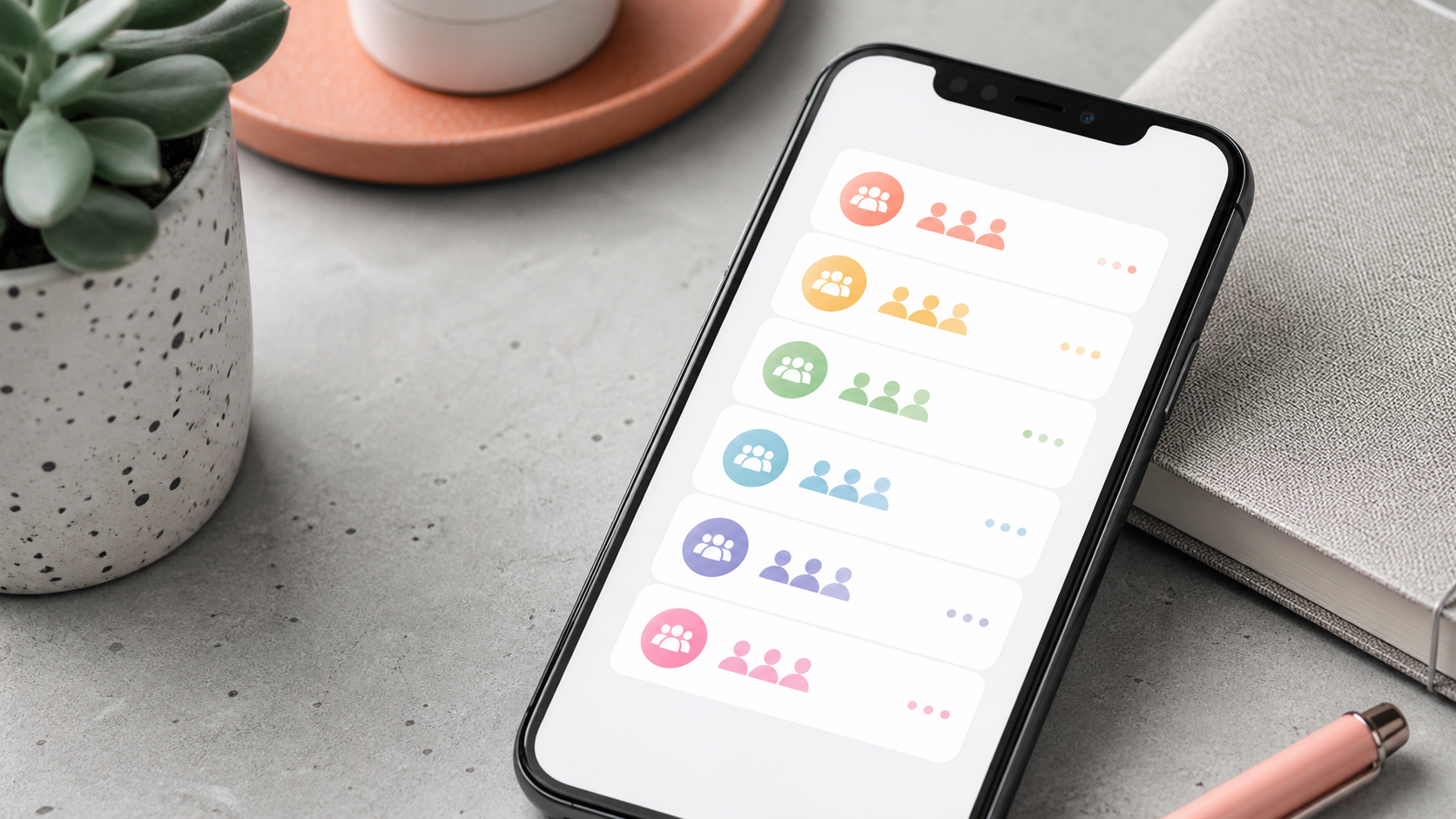
Chat folders can separate school, work and community threads so busy users keep private conversations easier to follow.
Busy groups rarely become disorganised because people are careless. More often, the problem is volume. A single inbox fills with side conversations, quick questions, updates, reminders and the odd tangent, until important messages are buried under noise.
That is where chat folders earn their keep. By turning one crowded stream into smaller, clearer spaces, they help chat groups feel calmer and easier to follow. Whether you use Telegram, a private workspace, or a tool like pigeon chat, the principle is the same: separate the conversations that need attention from the ones that can wait.
Good private chat organization is less about adding more rules and more about making the right thing easy to find. If you have ever opened a group, scrolled past dozens of messages, and still missed the one you needed, folders are a practical fix.
Why chat folders reduce noise
When everything sits in one place, every message competes for attention. A folder creates a boundary, and that boundary gives context. Team updates no longer sit beside social chatter. Project discussions do not get mixed in with general announcements. You can decide what matters first, instead of reacting to whatever arrived last.
This is especially helpful in chat groups where different topics move at different speeds. A fast-moving general chat can stay lively without swallowing important work-related threads. In practice, folders reduce the feeling of constant interruption because you are no longer treating every conversation as equally urgent.
There is also a mental benefit. A tidier system feels easier to return to after a busy day. Instead of asking, “Where was that message?”, you already know which folder to check. That small bit of certainty saves time and reduces stress.
How chat folders support busy groups
For groups with many members, folders create a simple shared structure. People can sort conversations by project, team, urgency or audience. That makes it easier to keep up without reading everything in one sitting. It also helps newer members understand where things belong.
In Telegram, for example, folders can separate work, family and community chats. In other platforms, the naming may differ, but the idea stays useful. Even a basic folder system gives you a cleaner path through the day, which is particularly valuable when messages arrive from multiple directions.
This can be adapted to almost any setting. A small business might use folders for customers, suppliers and internal notes. A volunteer group might separate planning, logistics and announcements. A personal account might keep close friends, projects and unread messages apart. PigeonChat uses the same logic to keep communication manageable rather than overwhelming.
Simple ways to organise private chat organization
There is no perfect folder structure, but there are a few reliable patterns that work well for most people. The main goal is to make decisions faster, not to build a system so complex that nobody uses it.
- By priority - urgent, normal, low priority
- By purpose - work, social, admin, reminders
- By relationship - close contacts, teams, communities
- By project - launches, events, ongoing tasks
- By message type - unread, follow-up, archive
If you are starting from scratch, keep the number of folders small. Three to five is often enough. Too many folders can create a different kind of clutter, where the system becomes harder to maintain than the inbox it was meant to tame.
A useful rule is to sort conversations by the action they require. If a chat needs regular checking, give it a clear home. If it only matters occasionally, keep it somewhere that does not interrupt your daily flow. That is the heart of effective private chat organization.
Using folders in telegram and other chat apps
People often think folders are only useful for complex team setups, but they are just as valuable for everyday communication. In telegram, folders can help separate busy channels from direct messages, which makes the app feel much more intentional. The same idea works wherever you can group or pin conversations.
In many apps, the practical step is to start with your most active chats. Put recurring work conversations together. Move social chats out of the way. Keep critical threads visible. If your app supports muting or notifications by folder, use that too. The point is not to hide people, but to reduce unnecessary interruption.
For larger chat groups, folders can support shared etiquette. Members know where to post updates, where to ask questions and where to keep lighter discussion. That means fewer repeated messages and less confusion about who should see what.
Practical habits that make folders work
A folder system only helps if people actually use it. The easiest way to encourage that is to keep the rules simple and repeatable. If every conversation has a clear label, people are more likely to place it correctly without thinking too hard.
It also helps to review the structure occasionally. Conversations change. A project ends. A group becomes quieter. A folder that once made sense may no longer be useful. Adjusting it every so often keeps the system honest.
Some habits worth adopting:
- Move new chats into a folder as soon as they become recurring
- Mute low-value conversations instead of letting them dominate your inbox
- Archive inactive threads rather than leaving them in the active view
- Use one folder for follow-ups so important replies do not disappear
- Keep folder names plain and specific
These habits make your setup easier to trust. When the structure matches how you actually communicate, it stops feeling like administration and starts feeling like clarity.
Frequently asked questions
Are chat folders only useful for large teams?
No. Even one person can benefit from folders if they juggle several conversations, interests or projects. The advantage is not size alone, but complexity. If your inbox feels noisy, folders can help.
Do folders replace muting and notifications?
Not really. They work best together. Folders organise where chats live, while muting and notification controls manage when they demand attention. Combined, they make a much calmer system.
What is the simplest way to start with private chat organization?
Begin with a few broad categories, such as work, personal and low-priority chats. Once that feels comfortable, refine the structure only where you notice confusion. A simple system is easier to keep than a clever one.
In the end, chat folders are less about tidiness and more about attention. They help busy groups stay organised by giving each conversation a clear place, which makes the whole inbox easier to scan, understand and trust. If you want a calmer communication setup, whether in Telegram, on pigeon chat, or via PigeonChat, folders are a sensible place to begin.
Ready to try PigeonChat?

Writer & Editor at PigeonChat
Related Articles
Why chat folders matter for busy group conversations

How image sharing works in private chat apps

What chat features users expect in modern private apps

Why chat folders help busy groups stay organized

How chat groups help schools and universities stay organized