
Signal alternative chat app features users compare
A practical comparison of the features people expect from a Signal alternative, including privacy, browser access, folders, and group chat tools.
When people look for a signal alternative chat app, they often start with reputation. Privacy matters, of course, but everyday use is shaped by smaller choices: how chat folders work, how chat groups behave, how easy it is to organise conversations, and whether the app feels calm or cluttered after a week of use.
If you are comparing apps for personal or team messaging, it helps to separate the headline promises from the practical details. An alternative chat app can be strong on encryption and still feel awkward if it makes archives hard to find, group controls confusing, or notifications too noisy. The best fit is usually the one that matches how you actually chat.
This guide focuses on the features people compare most often, with Signal as the reference point. It is designed to help you make a sensible choice even if you never sign up for anything new.
Start with the features that affect daily use
Most people do not switch messaging apps because of one technical detail. They switch because they want conversations to be easier to manage. That means looking at chat features such as search, message reactions, file sharing, pinned conversations, and whether the app makes it easy to move between personal chats and groups.
With PigeonChat and other privacy-focused tools, the useful question is not simply "Is it secure?" It is "Will I still like using it next month?" A clean interface, sensible defaults, and predictable notifications often matter more than long lists of niche features.
Compare chat folders and conversation organisation
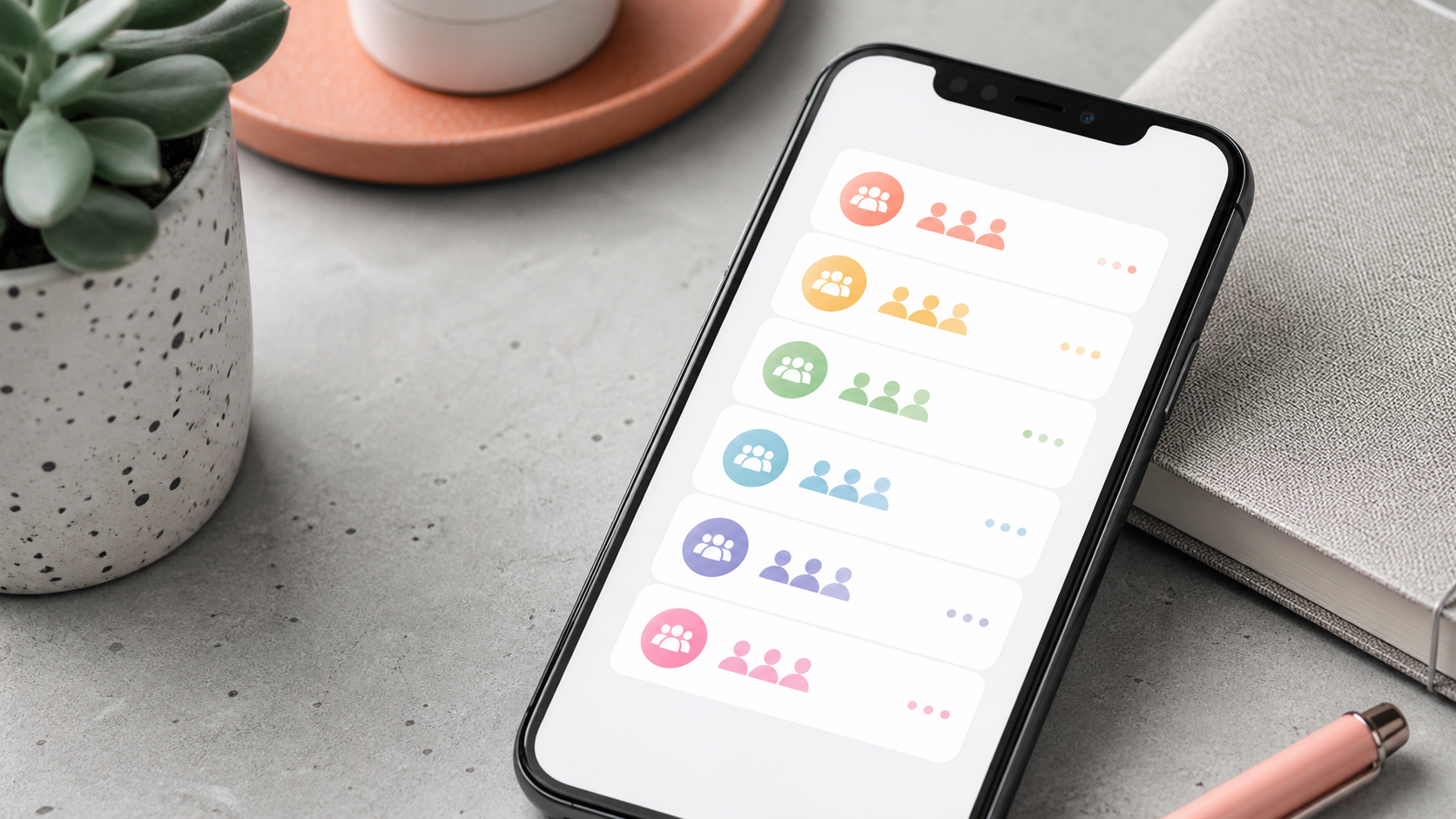
Chat folders are one of the clearest quality-of-life features in an alternative chat app. They let you separate work, family, communities, or muted groups so the app does not feel like one long stream of noise. If you receive many messages, folders can make the difference between staying on top of things and giving up on the app entirely.
Signal is intentionally minimal, which many people appreciate. But if you want stronger sorting tools, compare how each app handles labels, archived chats, favourite conversations, and folder rules. Good organisation is not flashy, but it saves time every day.
- Look for simple ways to pin important chats
- Check whether archived chats stay out of the way
- See if folders can be customised for work, social, and community use
- Notice how quickly you can return to a conversation after muting it
If an app has excellent privacy features but poor organisation, it may still feel harder to use than a more conventional messenger. The best chat folders are the ones you barely notice, because they quietly reduce friction.
Judge chat groups by control, not just size
Chat groups are where many apps become either useful or exhausting. The important question is not how many people a group can hold, but how much control you have over the conversation. Look for admin roles, invite links, moderation tools, mention controls, and the ability to limit who can post.
Some people want chat groups for close circles. Others need them for clubs, projects, or community coordination. In both cases, a good alternative chat app should make it easy to manage noise, prevent accidental replies, and keep member lists from becoming a mess.
If you are comparing Signal against another app, think about whether the group experience helps you communicate clearly. Features such as threaded replies, reaction tools, and useful member permissions can improve group chats without making them feel heavy or enterprise-like.
Privacy features should be visible in normal use
Privacy is not only about encryption. It also includes how much metadata the app exposes, how it handles backups, and whether it encourages safer habits by default. For everyday users, the most meaningful privacy features are often the ones that reduce accidental sharing or make sensitive chats easier to protect.
Signal is well known for privacy-first design, and that reputation is one reason it is the benchmark in this category. But a strong signal alternative chat app should still be evaluated on how it presents privacy controls in practice. Are disappearing messages easy to set? Is screen security straightforward? Can you control who sees your profile information? These practical touches shape confidence.
It is also worth asking how the app handles onboarding. Some apps talk about privacy but bury the controls. Others make the choices visible and understandable from the start. For most people, clear settings beat abstract promises.
Think about the small features that reduce friction
Little details often decide whether an app feels polished. Message editing, scheduled messages, voice notes, device syncing, and file previews are all ordinary chat features, but they make a noticeable difference in daily conversation. If you frequently jump between phone and desktop, smooth syncing may matter more than anything else.
Notification controls also deserve attention. A good app lets you mute specific conversations, adjust alerts for chat groups, and avoid being interrupted by every reaction or mention. That is especially important for people who use messaging for both personal and group communication.
When evaluating an alternative chat app, it helps to make a short checklist before you compare options in detail:
- Can I find old messages quickly?
- Are chat folders or archives easy to use?
- Do chat groups have enough moderation tools?
- Can I manage notifications without digging through menus?
- Does the app feel calm, not crowded?
Choose the app that fits your habits, not the loudest name
People often compare apps as if one should be universally best. In reality, the right choice depends on how you communicate. A person who chats in a few one-to-one conversations needs different tools from someone who lives in large community groups or keeps dozens of conversations organised by folder.
PigeonChat is one example of how privacy-focused messaging can be approached with a practical mindset, but the broader lesson applies to any platform. Look past the brand and ask whether the app supports the way you already work and talk. Convenience is not the enemy of privacy. In a messaging app, it is often what makes privacy sustainable.
If you are choosing between Signal and another app, focus on the features that matter after the novelty wears off. Clean organisation, sensible chat groups, reliable chat features, and low-friction controls usually tell you more than reputation alone.
Frequently asked questions
What is the most important thing to compare in a signal alternative chat app?
For most people, the most important thing is how the app feels in daily use. Privacy matters, but so do chat folders, chat groups, search, notifications, and how easy it is to keep conversations organised. A secure app that feels awkward will often be abandoned.
Are chat folders really useful for everyday messaging?
Yes, especially if you receive a mix of personal, work, and group messages. Chat folders help reduce clutter and make it easier to focus on what matters. If you rarely use messaging for more than a few conversations, folders may be less important, but they are still worth checking.
Should I choose the app with the most chat features?
Not necessarily. More features can be useful, but only if they stay simple and reliable. The best alternative chat app is usually the one that gives you the features you will actually use without making the interface feel busy or confusing.
In the end, the smartest comparison is a practical one. Look at the features that change your routine, not just the app that sounds strongest on paper. That approach will help you choose a messenger that you can live with comfortably, whether you stay with Signal or try something else.
Ready to try PigeonChat?

Writer & Editor at PigeonChat
Related Articles

Viber, Telegram, and Messenger compared for private chat

Signal alternative chat app: what users actually want

What a true WhatsApp alternative should include

WhatsApp, Signal, Viber, and Telegram compared
Why chat folders matter for busy group conversations