

What chat features users expect in modern private apps
See the chat features people expect today, including folders, private groups, image sharing, stickers, stories, and multilingual interfaces.
A private chat app can be secure and still feel awkward to use. The difference between something that is merely private and something that feels complete usually comes down to the everyday chat features people expect without having to think about them. If those basics are missing, the app may be technically sound but still feel unfinished.
That is especially true when users are comparing private apps with the polished experience of mainstream messengers. They want speed, clarity, and a few practical tools that help conversations stay organised. The goal is not to stuff in every possible option, but to cover the features people reach for most often.
Whether you are choosing a platform for your team, a community, or personal use, it helps to know which details make the difference. This guide looks at the core features that make a private chat app feel useful from day one, rather than basic or temporary.
Core chat features that define the everyday experience
The foundation is simple: messages should be easy to send, easy to read, and easy to trust. That means clean typing indicators, clear delivery states, responsive notifications, and sensible message handling. If a private app cannot make everyday conversation feel smooth, users will notice before they ever get to the privacy settings.
Good apps also avoid making common actions feel hidden. Replying, forwarding, muting, deleting, and searching should all be straightforward. These are the small chat features that quietly shape whether a product feels reliable or clumsy.
It is worth thinking about the text experience in context too. A private app should support short bursts, longer discussions, and mixed conversation styles without forcing people into rigid patterns. When messaging feels natural, privacy becomes a benefit rather than a burden.
Why chat folders and organisation matter
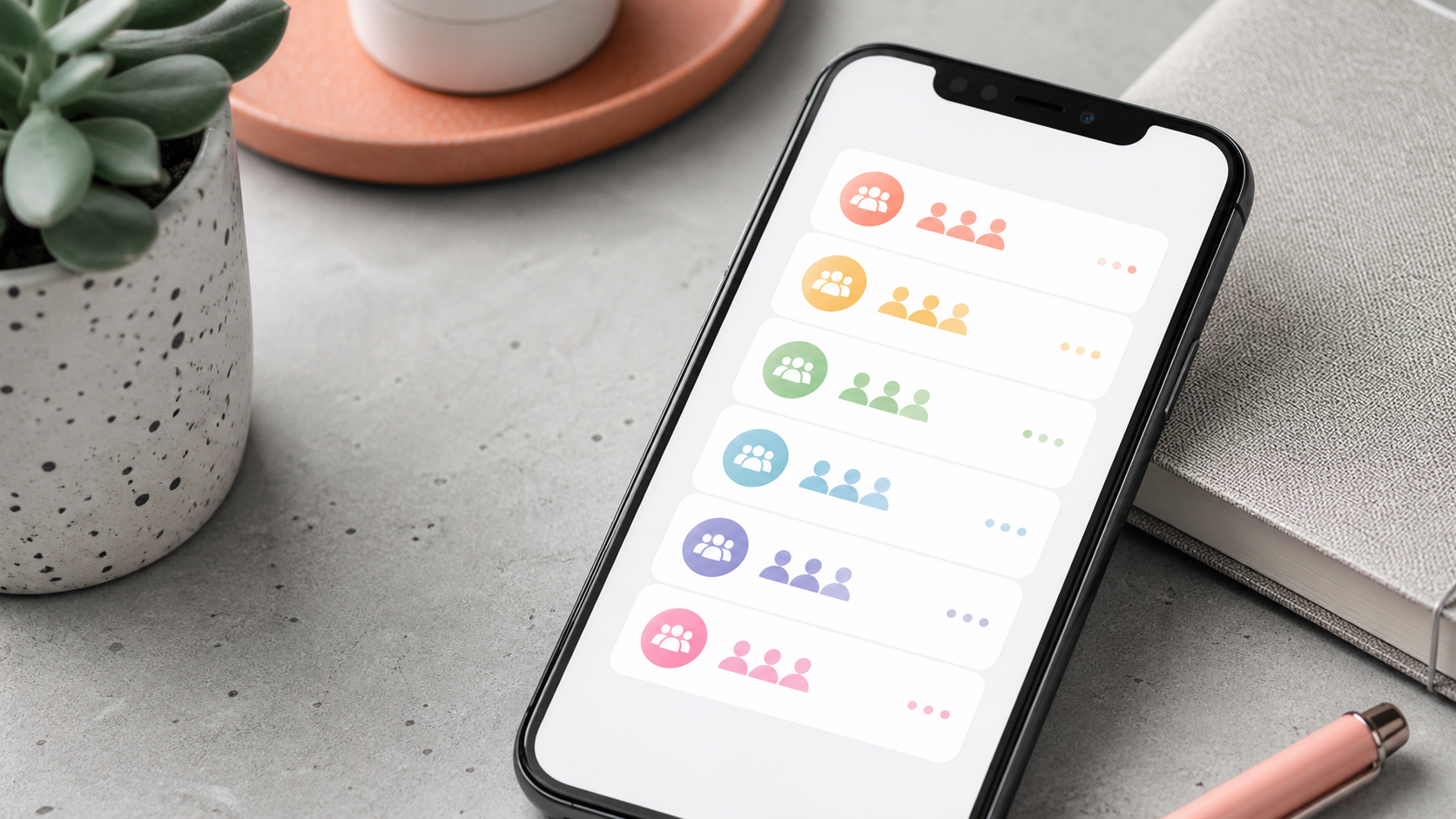
Once conversations start multiplying, organisation becomes essential. Chat folders help people separate work, personal chats, project spaces, and quiet groups without constant scrolling. In a privacy-focused app, this can be even more valuable because users often keep sensitive conversations alongside ordinary ones.
Folders do not need to be complicated to be useful. A simple set of pinned sections or custom categories can reduce friction and help people return to the right place quickly. The point is to keep the interface calm, not busy.
For users, good organisation changes the feeling of the app. Instead of one long list that gets noisier over time, the app stays manageable. That is the sort of detail that makes a private messenger feel thought through rather than assembled from a minimal feature set.
Chat groups and collaboration without noise
Chat groups are one of the clearest signs that a private app is ready for real use. People expect group messaging to support both practical coordination and casual conversation, while still giving them enough control to avoid overload. A good group experience should make it easy to join, leave, mute, and find important messages later.
The best private apps also treat group settings as more than an afterthought. Roles, permissions, invite links, and moderation tools matter because groups often become the busiest part of the app. If those controls are missing, users may love the privacy story but still struggle to use the product day to day.
Well-designed group chat should feel calm even when the conversation is active. That means sensible notifications, clear participant lists, and a way to search within the thread. When those basics are in place, groups become genuinely useful instead of chaotic.
Image sharing and rich media that stay practical
People do not just send text. They share photos, screenshots, documents, voice notes, and links, often in the same conversation. That is why image sharing is part of the baseline expectation now, not a premium extra. In a private app, media support should be easy to use without making the interface feel crowded.
Private messaging adds an extra layer here. Users want confidence that media is handled responsibly, whether that means sensible previewing, clear file controls, or easy deletion. The exact design may vary, but the experience should feel consistent and predictable.
It also helps when rich media does not distract from the core conversation. Good apps allow people to glance at images, open them quickly, and move on. The feature should support the chat, not dominate it.
Controls that make a private app feel mature
Privacy alone does not make an app feel finished. Users also expect control over how the app behaves. That includes notification settings, message retention options, device management, and basic moderation tools. These are the practical details that turn a secure messenger into a daily tool.
A mature app gives people ways to manage attention. Muting a thread, setting custom alerts, or archiving conversations should be easy to do. This matters as much in personal messaging as it does in team spaces, because too much noise quickly undermines the value of a private product.
If you are comparing options such as PigeonChat or other private messengers, look for this balance between privacy and usability. A strong app should help people stay in control without requiring them to learn a complicated system first.
- Fast, reliable messaging with clear delivery feedback
- Search that helps users find old conversations and shared files
- Chat folders or similar organisation tools
- Useful chat groups with moderation and notification controls
- Practical image sharing and media previews
- Easy muting, archiving, and deletion options
- Device and session management for account safety
How to judge whether a private chat app feels complete
A complete app usually feels obvious within a few minutes. You can tell because the basic tasks are smooth, the settings are understandable, and the interface does not make you hunt for common actions. Even before you read the help pages, the product should make sense.
One useful test is to imagine everyday life in the app. Can you move between a few important chats without confusion? Can you manage active groups? Can you share an image, find it later, and keep notifications under control? If the answer is yes, the app probably has the right core shape.
Another useful test is restraint. Features should support clear communication rather than create clutter. Private apps often win users by being calm, not crowded. That is where thoughtful design matters more than a long list of checkboxes.
Frequently asked questions
What are the most important chat features in a private app?
The essentials are reliable messaging, search, notifications, privacy controls, and sensible organisation. Most people also expect group chats and media sharing. If those are smooth, the app already covers the features that matter most in daily use.
Are chat folders really necessary?
They are not mandatory, but they make a big difference once someone has more than a handful of conversations. Chat folders help reduce clutter and keep important threads easy to find. For many users, that alone makes an app feel far more manageable.
What should I look for in chat groups and image sharing?
For chat groups, look for invite controls, muting, moderation, and easy searching. For image sharing, look for quick previews, simple upload steps, and clear controls over how files are handled. Both features should feel easy and predictable, not bolted on.
A private chat app feels complete when it respects both conversation and control. Users want strong privacy, but they also want the ordinary comforts that make messaging pleasant to use. When the essentials are done well, the app stops feeling basic and starts feeling dependable.
Ready to try PigeonChat?

Writer & Editor at PigeonChat
Related Articles
Why chat folders matter for busy group conversations

How image sharing works in private chat apps

Why chat folders help busy groups stay organized

How image sharing works in private chat apps

How chat groups help schools and universities stay organized