
Why school chat groups need privacy and easy tools
School chat groups need privacy, simple controls, and easy sharing so students and teachers can stay connected without chaos.
School chat groups can be brilliantly practical. They help staff, parents and students share reminders, coordinate events and sort out the small questions that otherwise clog up email threads. But the same tools that make group messaging convenient can also create risk if they are too open, too messy or too hard to manage.
For schools, the right balance is simple to describe and harder to achieve. A private school chat needs to be private enough to protect families and staff, yet easy enough that people actually use it every day. If the tool is clunky, conversations drift elsewhere. If it is too open, message sharing becomes difficult to control. The result is usually a patchwork of missed updates, duplicate posts and avoidable confusion.
This is why many schools are looking more closely at chat groups as a core communication channel rather than an optional extra. The aim is not to add another app for the sake of it. The aim is to make daily communication safer, clearer and less stressful for everyone involved, including people who are not especially tech confident.
Why school chat groups need a privacy-first approach
School communication often contains more than ordinary logistics. A message might mention a child by name, discuss attendance, share a safeguarding concern, or include details about medical needs, permissions or family arrangements. In that context, privacy is not a nice extra. It is a basic requirement.
Open social platforms are rarely well suited to this kind of communication. They can be noisy, hard to moderate and awkward to separate from personal conversations. A private space gives schools more control over who sees what, which is especially important when different groups need different levels of access.
Good privacy also helps trust. Parents and staff are more likely to use a system regularly when they understand who is in the room and how the conversation is managed. That trust matters more than flashy features. In school settings, confidence is often what keeps communication consistent.
What makes a private school chat genuinely usable
A private school chat is only useful if people can use it without a manual. School life moves quickly, and staff do not have time to wrestle with complicated settings every time they want to post a reminder or reply to a question. Simplicity matters because it keeps the focus on the message, not the software.
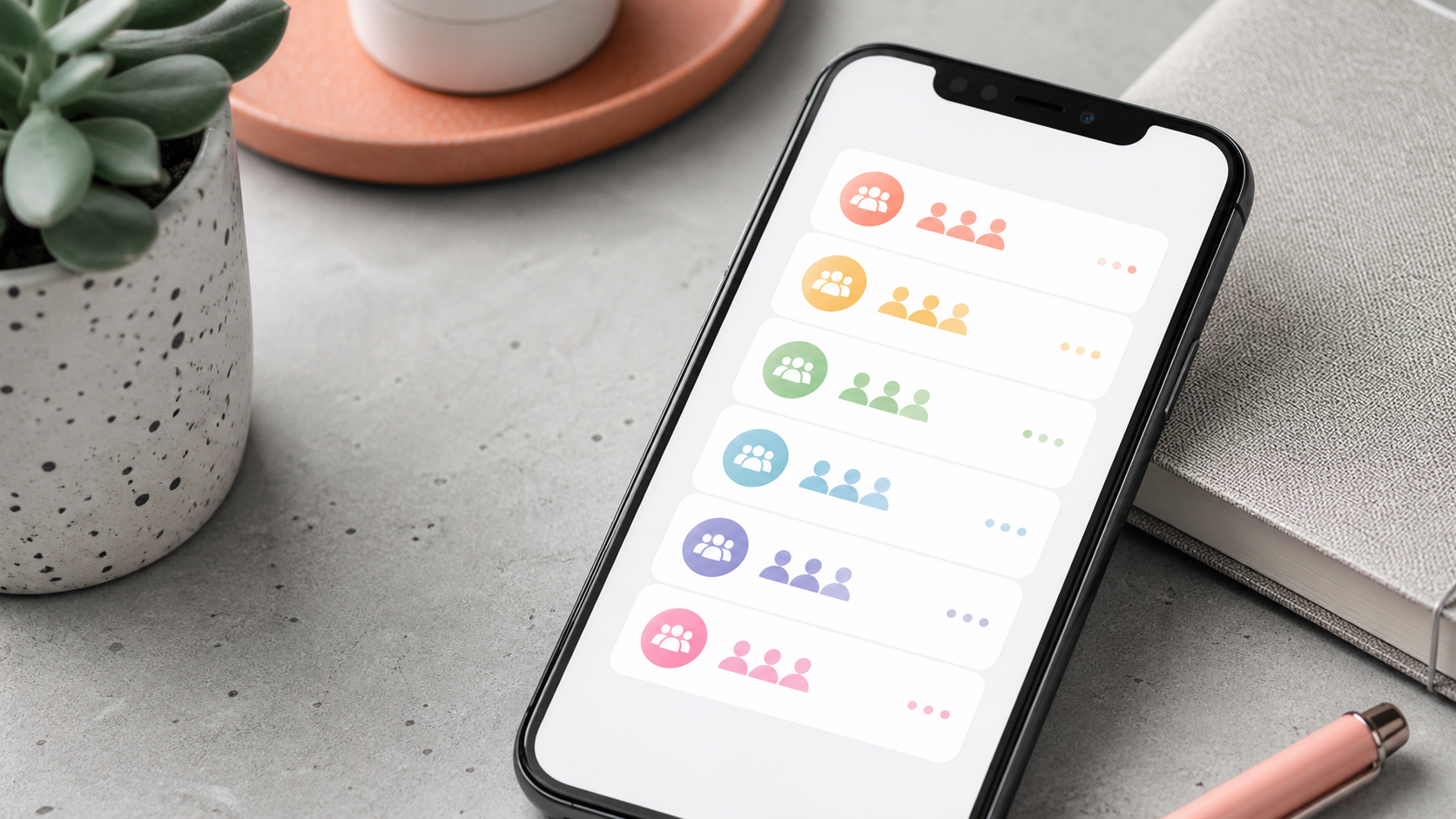
The best systems tend to have a clear structure. That might mean separate spaces for classes, year groups, clubs, parents and staff. It might mean straightforward permissions, so the right people can read or post without needing technical support. When organisation is obvious, message sharing becomes easier for everyone.
Tools such as PigeonChat are useful to think about here because they reflect a wider principle: a communication tool should feel lightweight on the surface but still allow proper control underneath. Schools need that combination more than they need bells and whistles.
- Clear group structure for different audiences
- Simple permissions for posting and reading
- Easy search so important notes are not lost
- Basic moderation controls for staff oversight
- Low-friction joining and leaving for the right people
How controlled message sharing reduces mistakes
In a school environment, casual message sharing can create unintended consequences very quickly. A reminder meant for one class can be forwarded to the wrong parent group. A note about an event might be edited and reposted without context. Even well-meaning chat can become confusing when people are not sure which version is current.
Controlled group messaging reduces that risk. It gives schools a better way to set expectations around who posts, what gets shared and where decisions are recorded. When a group has a clear purpose, people spend less time guessing whether a message is official and more time acting on it.
Control also helps with consistency. If important information is always posted in the same place, staff and families build a habit around checking it. That can be far more effective than scattering updates across email, text messages and informal threads.
Why daily use matters more than perfect features
Schools do not need the most complex platform available. They need something that fits into daily routines without adding friction. A good communication tool should make it quicker to ask a question, share a reminder or confirm an arrangement. If it saves time only in theory, it will not last in practice.
This is where many chat groups fail. They start with a useful idea, then become cluttered with unnecessary options, inconsistent naming or too many places to look. Staff end up spending time explaining how to use the tool instead of using it. Parents may ignore messages if the process feels awkward or unreliable.
The most effective tools are often the simplest ones. They support routine use, work on the devices people already have and make the next step obvious. In a school context, that is more valuable than a long list of features that nobody has time to explore.
Practical ways schools can keep chat groups safe and useful
Good design helps, but policy matters too. Schools can make chat groups more effective by agreeing a few clear rules before launch. These rules should be simple enough to remember and consistent enough to enforce.
It is also worth separating communication types. Not every discussion belongs in the same space. A parents group, a staff group and an after-school club group all have different needs. Keeping them distinct reduces noise and makes moderation easier.
Here are some practical habits that help:
- Define each group’s purpose before inviting members
- Limit posting rights where appropriate
- Use names that make the audience obvious
- Avoid sharing sensitive details in broad groups
- Agree who checks messages and when
- Archive old groups when they are no longer needed
These habits may sound basic, but they make a real difference. Most communication problems in schools are not caused by a lack of information. They are caused by information being posted in the wrong place, by the wrong people, at the wrong time.
Choosing tools that respect both privacy and practicality
The safest school chat groups are not necessarily the most restrictive. Overly rigid systems can frustrate users and push communication back into less secure channels. The better choice is usually the one that keeps things private while staying genuinely easy to use.
That means looking for software that helps with routine tasks rather than getting in the way of them. Can staff create the right group quickly? Can families understand what each chat is for? Can administrators control access without extra complexity? These questions matter more than marketing claims.
When privacy and ease work together, communication becomes calmer. Messages are clearer, fewer things get lost, and people feel more confident using the system. That is the real test of any school communication tool, whether it is a small departmental setup or a full private school chat environment.
Frequently asked questions
Why are school chat groups different from ordinary group chats?
School chat groups often involve children’s information, family details, safeguarding concerns and official notices. That means they need stronger privacy, clearer moderation and more careful message sharing than a typical social group.
What is the main benefit of a private school chat?
The main benefit is control. A private school chat lets schools decide who can join, who can post and what different groups are allowed to see. That reduces confusion and helps protect sensitive information.
How can schools stop group messaging from becoming chaotic?
Schools can keep group messaging manageable by giving each group a single purpose, setting simple rules for posting and archiving old chats when they are no longer needed. The easier the structure is to understand, the less likely people are to misuse it.
In the end, the best school chat groups are the ones people barely have to think about. They are private enough to protect trust, simple enough for daily use and controlled enough to keep conversations useful. Get that balance right, and communication stops feeling like a burden and starts doing real work.
Ready to try PigeonChat?

Writer & Editor at PigeonChat
Related Articles

How chat groups help schools and universities stay organized

How chat groups support schools and universities

Why chat folders help busy groups stay organized

How chat groups support schools and universities
Why chat folders matter for busy group conversations