
How image sharing works in private chat apps
Image sharing is convenient, but private apps need careful controls for visibility, forwarding, and encrypted storage.
Private image sharing in chat apps is often treated as a convenience feature, but it is really a control feature. When someone sends a photo, they are not just moving a file from one device to another. They are deciding who can see it, how long it stays available, whether it can be copied, and what the app itself can learn from it.
That is why image sharing in a Privacy first chat app deserves more attention than a simple upload button. Good chat features should make sharing feel easy without making the user give up control. In an end to end encryption chat, the details matter: where the image is processed, who can read it, and whether the service can inspect the contents at all.
If you are comparing apps, it helps to think less about speed and more about protection. The best systems make sharing predictable, limit exposure by design, and keep private moments private even if the network, the server, or the app provider is not fully trusted.
What image sharing actually means in a private chat app
At a basic level, image sharing means sending a photo or picture file through the app, so another person or group can view it inside the conversation. In private chat apps, though, the process is usually more involved than it looks. The app may resize the image, create a preview, encrypt it before upload, and store temporary copies so the message loads quickly on the other side.
The privacy question is not whether the image moves from A to B. It is what happens in between. A well-designed private chat app reduces the number of places where the image exists in readable form. That can include encrypting the file on the device before upload, keeping metadata to a minimum, and making sure the server only sees scrambled data.
Some apps also treat image sharing differently from ordinary text messages. They may offer expiring media, screenshot alerts, download controls, or sender-side deletion. These are all part of the same idea: the person sending the image should have some say over how widely it spreads.
Why control matters more than convenience
Fast image sharing is useful, but convenience alone is not enough in a private conversation. A picture often contains more than the visible scene. It can reveal location clues, faces, documents, home interiors, or information you did not mean to expose. Even an innocent photo can carry context that is sensitive when shared with the wrong person or stored too widely.
That is why the best chat features are the ones that help people avoid accidental oversharing. For example, a message preview can show exactly what will be sent. A confirmation step can prevent sending the wrong file. Clear retention settings can make it obvious whether an image disappears after viewing or remains in the chat history.
PigeonChat is a useful example of this mindset because it puts privacy and practical control ahead of unnecessary complexity. You do not need a long settings checklist to understand the basic idea: share carefully, limit exposure, and keep the app from learning more than it needs to know.
- Clear previews reduce accidental sends
- Expiry options limit how long an image remains available
- Minimal metadata keeps extra details from travelling with the file
- Local encryption reduces what the service can inspect
- Deletion controls help users tidy up old shared media
How end to end encryption chat changes image handling
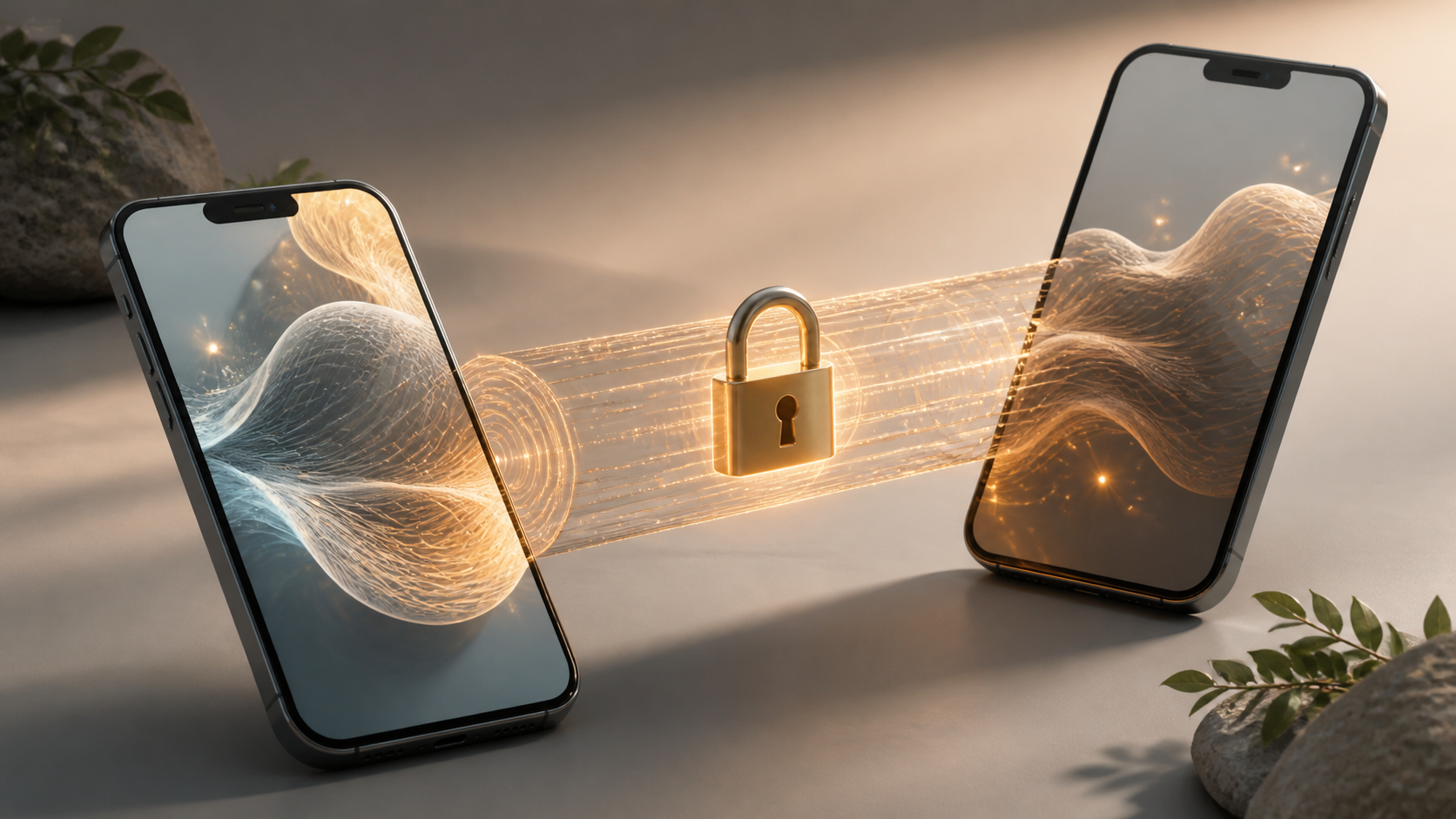
In an end to end encryption chat, the important promise is that only the sender and recipient can read the message contents. That applies to images as well as text. The app can still deliver the file, but it should not be able to open and interpret the image itself on the server side.
This changes the whole design of image sharing. The app must encrypt the photo on the sender’s device before it leaves that device, then decrypt it only on the recipient’s device. If done well, the service in the middle is just a delivery layer. It can route the file, but it cannot meaningfully inspect the picture.
That said, encryption alone is not the whole story. An app may still know that an image was sent, when it was sent, and to whom it was sent. A truly privacy focused design tries to limit even that surrounding information where possible. Good private messaging is about reducing exposure at every stage, not just protecting the pixels.
What happens behind the scenes when you send a photo
The journey of an image usually starts on your phone. The app may let you crop, compress, or annotate before sending. It then packages the file, encrypts it if the app supports that, and uploads the encrypted version to a server for delivery. The recipient’s app later fetches the file and decrypts it locally.
Some apps generate thumbnails or previews to make chats easier to browse. In a privacy first chat app, those previews should be handled carefully because they can still reveal a lot. Ideally, previews are encrypted in transit and stored with the same care as the original file. Otherwise, the preview can become a weak point even when the full image is protected.
There is also the question of temporary storage. Many services keep files on servers for a period of time so delivery can happen reliably across devices and network conditions. That is normal, but it should be transparent. People should know whether an image stays available for a minute, a day, or indefinitely, and whether the sender can remove it later.
Good chat features for secure image sharing
When people ask what makes image sharing safer, the answer is rarely one single feature. It is usually a combination of small design choices that add up to a more controlled experience. The most useful apps make the secure path the easy path.
Useful chat features often include the ability to view once, expire after a time, delete for everyone, disable auto-download, and show clear warnings when the image may be forwarded or saved elsewhere. The point is not to make sharing difficult. It is to make the default behaviour match the user’s expectations of privacy.
For most readers, the practical checklist is simple:
- Does the app use end to end encryption for images?
- Can you control how long shared images remain visible?
- Are previews, thumbnails, and attachments handled securely?
- Can the app or its servers read the image contents?
- Is deletion straightforward and clearly explained?
Common mistakes people make with private image sharing
One common mistake is assuming that a private chat app automatically makes every image safe. Privacy tools help, but they cannot prevent someone from taking a screenshot, photographing another screen, or simply forwarding what they received. Encryption protects transmission and storage, not human behaviour.
Another mistake is forgetting metadata. A photo can contain timestamps, device details, or location information depending on how it was created and shared. A careful app may strip some of this data, but users should still think before sending sensitive pictures, especially if the image includes documents, addresses, or identifiable surroundings.
It is also easy to overlook backups. If messages are copied into cloud backups outside the app’s protected channel, the privacy model can weaken. That is why the safest approach is to understand the app’s full path for data, not just the message screen in front of you.
Frequently asked questions
Is image sharing in private chat apps always encrypted?
No. Some apps encrypt messages end to end, while others encrypt only parts of the connection or only store data securely on their own systems. If image privacy matters, check whether the app explicitly supports end to end encryption chat for attachments, not just for text.
Can a private chat app stop someone from saving my photo?
Not completely. An app can reduce casual saving by limiting downloads, hiding auto-save options, or making media expire, but anyone who can view an image may still capture it in some form. Private chat is about reducing risk and exposure, not creating perfect control over another person’s device.
What should I look for in a Privacy first chat app?
Look for clear explanations of encryption, simple controls for deleting or expiring media, minimal data collection, and honest language about what the app can and cannot protect. A good service, such as PigeonChat, should make these limits understandable rather than burying them in technical jargon.
Image sharing in private chat apps is not really about moving pictures faster. It is about making sure the sender stays in control of where those pictures go, how long they remain visible, and who can access them along the way. That is the real value of privacy focused design, and it is what separates a useful messenger from a risky one.
Ready to try PigeonChat?

Writer & Editor at PigeonChat
Related Articles
What makes an end to end encryption chat app secure

What a fully compliant EU chat app should include

Why people search for a WhatsApp alternative without a number

What end to end encryption chat really protects
Why chat folders matter for busy group conversations