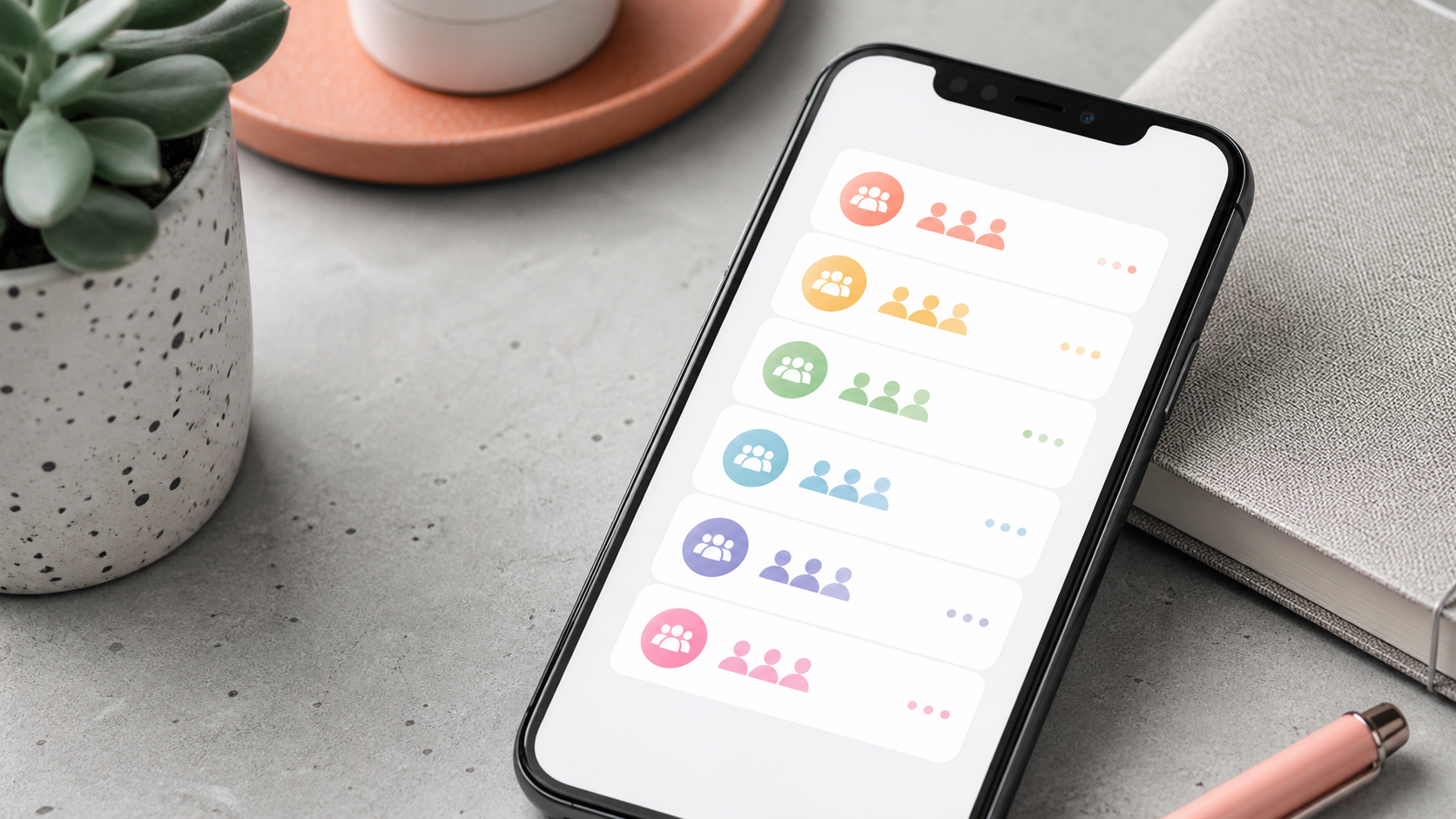
Why chat folders matter for busy group conversations
Chat folders can separate classes, projects, work, and friends so busy users spend less time searching and more time replying.
Busy group conversations can become noisy very quickly. One minute you are catching up with family, the next you are in a work chat, a project channel, a neighbourhood group, and a shared events thread all at once. Important messages get buried, and even simple replies start to feel harder than they should.
That is where chat folders come in. They give modern messaging apps a way to separate chat groups by purpose, priority, or context. Instead of one long list of conversations competing for attention, you can organise them into clearer sections that are easier to scan and easier to return to later.
Used well, chat folders are not about adding extra structure for its own sake. They reduce clutter, lower the friction of checking messages, and make group communication feel less overwhelming. Whether you use a mainstream messenger or an alternative chat app such as PigeonChat, the principle is the same: better organisation means less mental noise.
Why chat folders help in busy group conversations
Group chats move fast because they are often used for coordination, not just conversation. Someone shares an update, another person asks a question, and before long the thread has drifted into side topics, links, and quick reactions. Without a system, it becomes difficult to separate what is urgent from what can wait.
Chat folders help by grouping conversations according to your own needs. You might keep work chat groups separate from family, community, or hobby chats. That small change makes it easier to see what matters right now, especially when your phone is full of chat features competing for attention.
They also reduce the chance that you miss something important. If a key group is tucked into a dedicated folder, you are more likely to check it deliberately instead of relying on a crowded inbox and memory alone.
How folders reduce clutter without changing the conversation
The best thing about chat folders is that they do not alter the chats themselves. They simply change how you view them. That means the conversation can stay exactly where it is, while your inbox becomes easier to navigate.
This matters because clutter is not only visual. A long, undifferentiated list of threads creates decision fatigue. Every time you open the app, you have to decide where to look first. Folders cut down that small but constant burden.
For people juggling many chat groups, that can be the difference between staying on top of messages and gradually avoiding the app. A cleaner layout often leads to a calmer relationship with messaging overall.
- Separate personal and professional conversations.
- Keep active project groups distinct from archive-style chats.
- Pin priority conversations within a folder if the app allows it.
- Use folders to hide low-value noise without leaving groups entirely.
- Review each folder at a regular interval rather than checking everything constantly.
Practical ways to organise chat groups
There is no single correct folder system. The most useful setup is the one that matches how you actually communicate. A simple approach is usually better than a complex one, especially if you are trying to make your messaging habits less demanding, not more.
One common method is to organise by role or context. For example, you could have folders for work, family, friends, community, and alerts. Another is to organise by urgency, with a folder for active conversations and another for background or low-priority threads.
If you use an app with flexible chat folders, it can help to start with three or four clear categories. You can always refine them later. The aim is not perfect taxonomy. The aim is faster recognition.
Which chat features make folders more useful
Folders are most effective when combined with a few related chat features. Muting noisy groups, pinning essential ones, and customising notification settings all support the same goal: helping you notice what deserves attention and ignore what does not.
Search is also important. Even with well-made folders, you will still sometimes need to find a message from days or weeks ago. A good system combines organisation with retrieval, so nothing feels lost just because it is not visible at the top of the inbox.
Some people also benefit from separating one-to-one chats from chat groups. If your app allows this, it can make large group conversations easier to manage because they are no longer competing with direct messages in the same space.
Choosing an alternative chat app with better organisation
If your current messenger makes every chat look the same, it may be worth exploring an alternative chat app that treats organisation as a core part of the experience. Not everyone needs a new platform, but for heavy group users, better structure can be more valuable than a long list of extra features.
Look for simple things first: clear folder support, sensible notifications, easy pinning, and a layout that does not hide important conversations behind too many taps. Good organisation should feel lightweight. If it feels like administration, it is probably too much.
PigeonChat is a useful example of the kind of product that can make this approach feel natural. The point is not to chase novelty. It is to give busy people a calmer way to follow conversations without being constantly pulled in every direction.
Simple habits that make folders work better
Folders are most helpful when you use them consistently. That does not mean rigid rules. It means developing a few habits that keep the system tidy enough to be useful.
For example, move new chats into the right folder as soon as you join them. Mute groups you rarely need to watch closely. Review older folders occasionally so they do not fill with stale conversations that no longer matter.
A useful folder system should save time, not demand more of it. If you find yourself reorganising constantly, simplify the categories. The best chat folder setups are easy to maintain because they reflect real life rather than an ideal version of it.
Frequently asked questions
Are chat folders only useful for work conversations?
No. They are often helpful for work, but they are just as useful for family chats, local groups, hobbies, volunteer teams, and event planning. Any setting with lots of overlapping group conversations can benefit from better separation.
Do chat folders replace muting or pinning?
No. They work best together. Folders help you organise conversations at a higher level, while muting and pinning control what gets your immediate attention. Think of folders as structure and notifications as filtering.
Is it worth switching to an alternative chat app just for folders?
Sometimes, yes, especially if messaging is a major part of your day. If your current app makes it hard to keep track of chat groups, a better organised alternative can save time and reduce stress. If not, you may only need to adjust how you already use your existing chat features.
Chat folders are a small change with a practical payoff. They make group conversations easier to follow, help important messages surface more reliably, and reduce the sense that your inbox is running you rather than the other way round. For busy people, that kind of clarity is often more valuable than another flashy feature.
Ready to try PigeonChat?

Writer & Editor at PigeonChat
Related Articles

How image sharing works in private chat apps

What chat features users expect in modern private apps
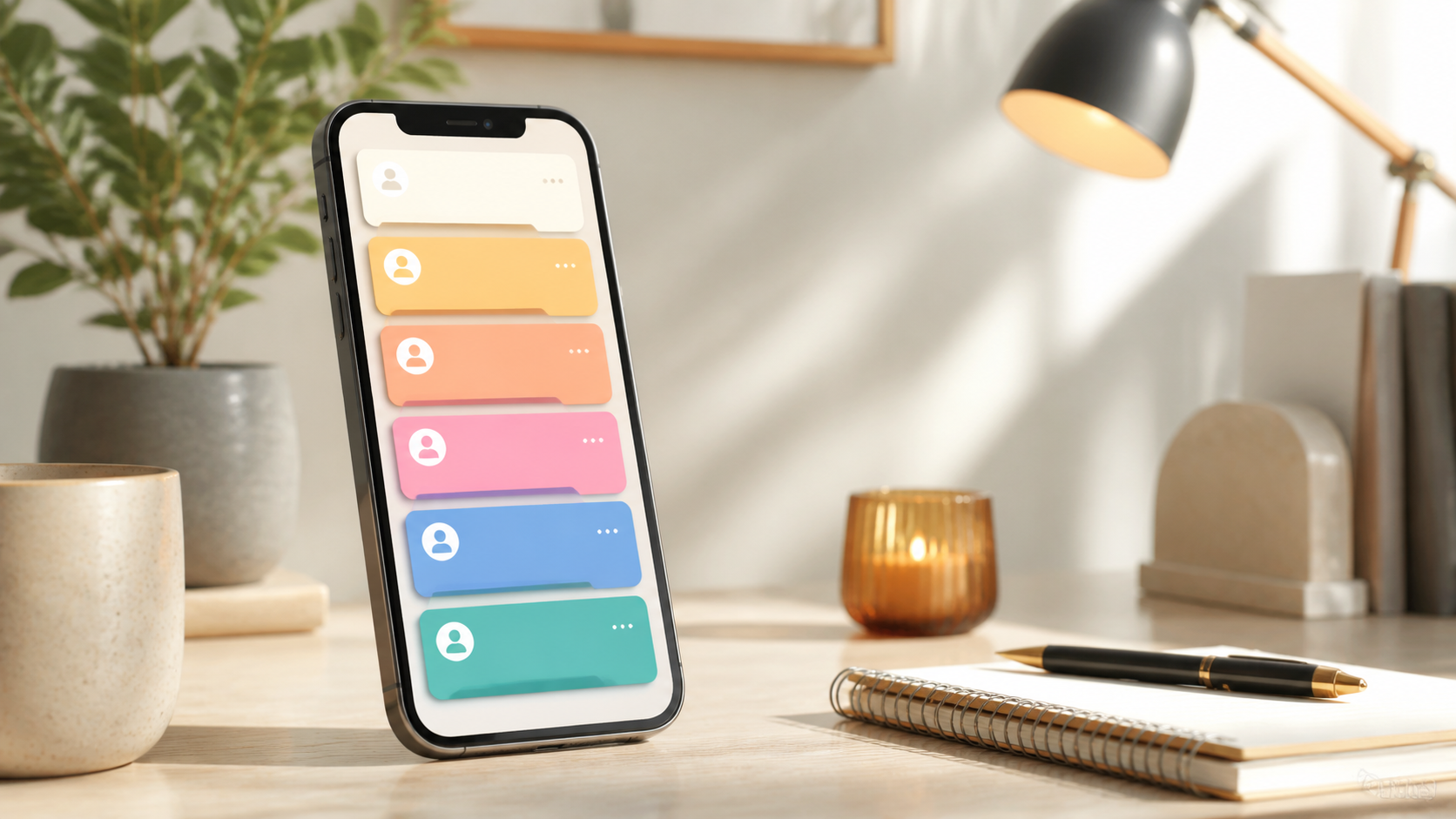
Why chat folders help busy groups stay organized

How image sharing works in private chat apps

How chat groups help schools and universities stay organized