
How chat folders help busy groups stay organized
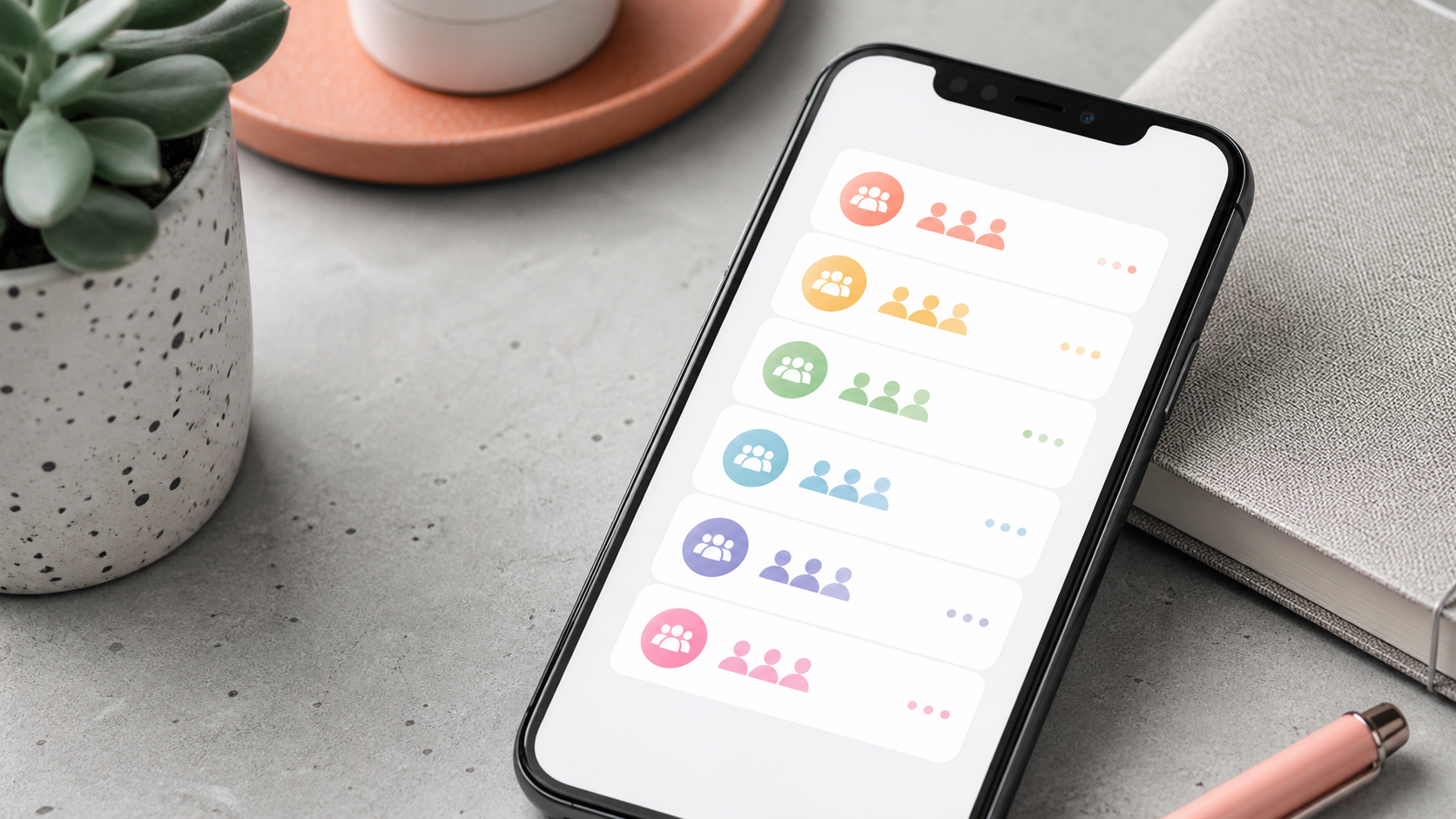
Chat folders can reduce noise in busy communities by separating classes, projects, family threads, and announcements into clear spaces.
Busy group chats can become unreadable very quickly. A school project thread fills with reminders, a university society chat picks up event planning, and a friend group ends up with memes, logistics and last-minute changes all in the same place. The result is not just noise. It is time spent searching for one message you know you saw somewhere.
That is where chat folders help. They give active chats a simple structure, so the most important conversations are easier to find and the less urgent ones stay out of the way. For people managing several chat groups at once, folders are one of the easiest ways to keep things calm without changing how everyone else messages.
In practice, chat folders are less about clever features and more about reducing friction. If you open your messaging app dozens of times a day, even a small amount of organisation makes a noticeable difference. It is one of the quiet strengths you should look for in an alternative chat app, including PigeonChat.
Why chat folders work so well
Most people do not struggle because their chats are too few. They struggle because the conversations are mixed together. A practical folder system separates a few core groups from everything else, so you can go straight to what matters. That means fewer scrolls, fewer missed replies and less mental load.
Folders also help you think in categories instead of alerts. You might keep work, school and family in separate places, or split fast-moving chat groups from quieter ones. This makes it easier to notice what needs action now and what can wait until later.
The benefit is especially clear when a conversation grows beyond a couple of people. A single group chat can move from “useful” to “chaotic” once several threads are happening at once. With folders, the chat itself is still the same, but your access to it becomes much more manageable.
How to organise chat groups without overcomplicating it
The best folder setup is usually the simplest one. Start with broad categories that reflect how you actually use your chats, not how you imagine a perfectly ordered system should look. If you create too many folders, you will spend more time deciding where things belong than reading the messages.
For most people, three to five folders is enough. You might have one for urgent conversations, one for family and friends, one for school or university, and one for community or interest groups. The point is not to achieve perfect sorting. It is to make the next open-and-check action quicker.
- Keep urgent or high-priority chat groups in one folder
- Separate school or university chats from social groups
- Put quieter or low-priority chats together
- Use a catch-all folder for anything you only check occasionally
- Review your folders every so often and move chats if your routine changes
Chat folders for school and university life
School and university are a good example of why folders matter. One day you are checking a seminar group, the next you are looking for a deadline reminder, and then a group project thread has moved on without you. When these chats sit alongside personal messages, it is easy to miss something important.
By placing study-related chats in their own folder, you make academic life easier to manage. That can mean quicker access to course groups, better visibility for assignment discussions and less temptation to ignore the app altogether because it feels overwhelming.
This is also helpful when you are part of several chat groups for different modules, societies or accommodation. Instead of treating all of them as one endless stream, folders let you decide which conversations deserve attention first. It is a small change, but for busy students it can make messaging feel much more usable.
What to look for in an alternative chat app
If you are choosing an alternative chat app, folders should be near the top of the list. Some apps focus on stickers, calls or extras, but if the basics are not easy to manage, the experience soon feels cluttered. A good messaging app should help you keep up, not make you hunt for every message.
Useful folder features include simple creation, easy chat reassignment and a layout that stays understandable at a glance. It is also worth checking whether folders work well on mobile and desktop, because many people move between devices throughout the day.
For teams, clubs and communities, good folder support can make a modest app feel much more practical. PigeonChat takes this kind of organisation seriously, because keeping chat groups readable matters more than adding another layer of novelty.
Simple habits that make folders more effective
Folders work best when you use them consistently. If one week a chat is in “school” and the next it is in “miscellaneous”, the system stops helping. The goal is not strict control, but a pattern that matches your real-life habits.
It also helps to keep notifications aligned with the folder structure. For example, you might allow urgent folders to interrupt you while keeping less important groups silent. That way, the folder is not just a visual aid. It becomes part of how you manage attention.
When a chat changes purpose, move it. A society group may become an event-planning space for two weeks and then go quiet again. A project chat may become relevant only near deadlines. Small adjustments keep the structure useful without requiring much effort.
Frequently asked questions
Are chat folders only useful for large chat groups?
No. They are useful even if you only have a handful of active chats. The advantage is not just about volume. It is about making it easier to separate different parts of your life, so you can open the right conversation faster and ignore the rest without guilt.
Do folders replace muting or archiving?
Not really. They work alongside those tools. Muting reduces interruptions, archiving removes low-priority chats from view, and folders give you a clearer structure. Used together, they create a much calmer messaging experience than relying on one feature alone.
What is the best folder setup for school or university?
A simple setup usually works best. Many students keep course chats, project groups and social chats separate. If you are juggling deadlines, a folder for academic conversations can make it easier to spot what needs attention before lecture, class or submission time.
Chat folders are a modest feature with an outsized impact. They do not change what people send, but they change how manageable the conversation feels. For busy groups, that is often the difference between a chat app that feels helpful and one that feels exhausting.
Ready to try PigeonChat?

Writer & Editor at PigeonChat
Related Articles
Why chat folders matter for busy group conversations

How image sharing works in private chat apps

What chat features users expect in modern private apps

Why chat folders help busy groups stay organized

How chat groups help schools and universities stay organized