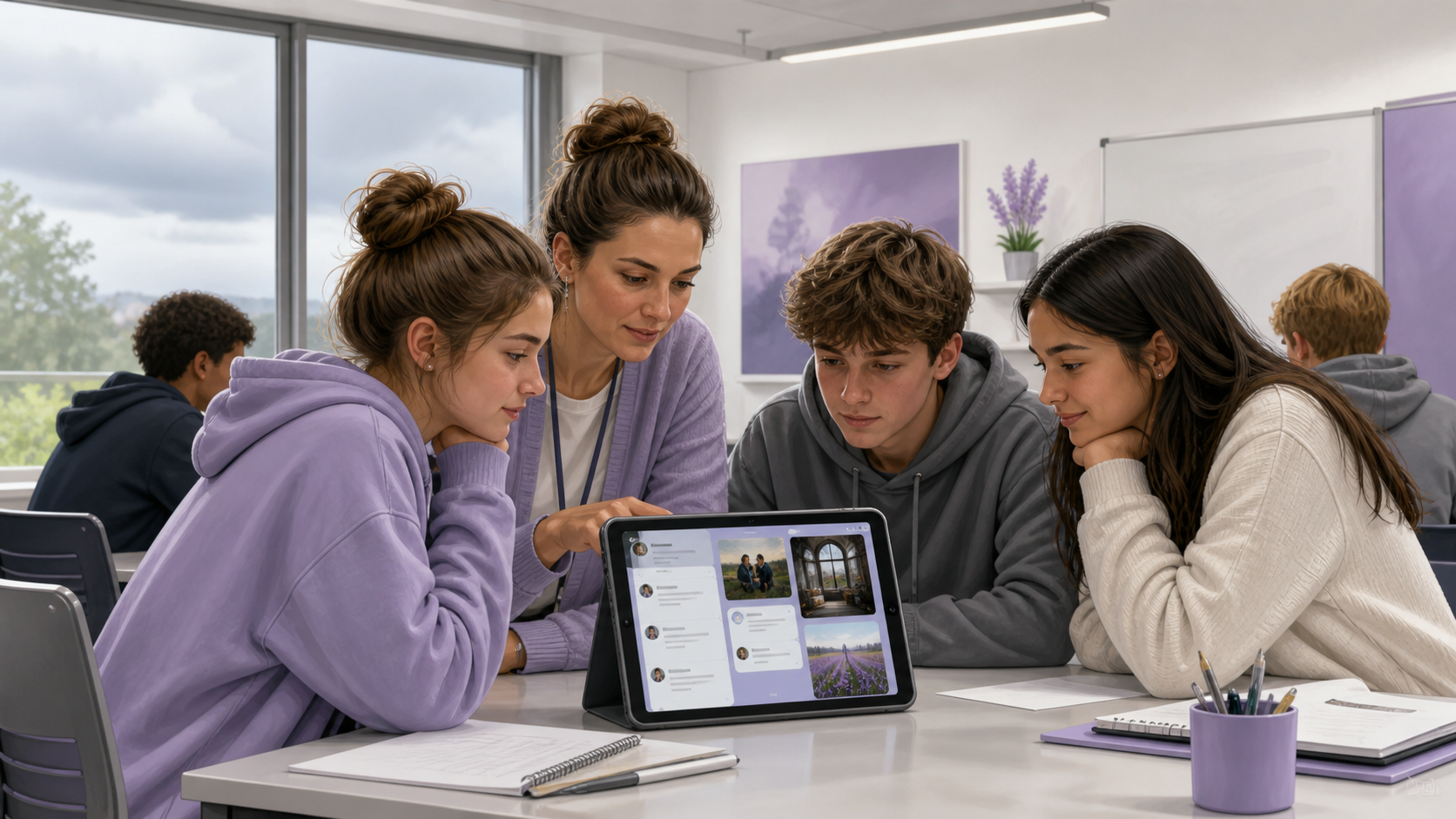
Why school chat groups need privacy and easy tools
School groups need fast sharing, clear folders and privacy controls. Learn what helps students, parents and staff stay organized.
School chat groups are one of the easiest ways for parents, pupils, carers and staff to stay aligned, but they also have a habit of becoming noisy, messy and a little too public. A good school chat should make it simple to share updates, organise plans and ask quick questions without turning every message into a distraction.
The difference is usually not the people in the group, but the tools around it. When privacy is built in from the start and the structure is easy to understand, chat groups become more useful and far less stressful. That is true whether the conversation is about homework, sports day, pick-up changes or a last-minute reminder.
In practice, the best school chats are the ones that help people find what matters quickly, keep sensitive information in the right place and make image sharing feel safe and manageable. That is where simple features, clear controls and a bit of organisation can make a big difference.
Why privacy matters in school chat groups
School communities naturally involve personal information. Even a simple message about a child’s schedule can reveal details that should not be shared too widely. Privacy matters because families need to feel confident that conversations stay within the intended group.
Good privacy also reduces hesitation. If people are unsure who can see a message, they may hold back from asking practical questions or sharing useful updates. That slows everyone down and makes school chat groups less effective than they should be.
There is also a trust issue. Parents and staff are more likely to use a chat tool consistently when they know it respects boundaries, limits unnecessary exposure and does not encourage accidental sharing beyond the group.
How chat folders keep school conversations organised
Organisation is just as important as privacy. In a busy school setting, people may be in several chat groups at once, from class notices to year-group updates to club arrangements. Without chat folders, these conversations can quickly blend together.
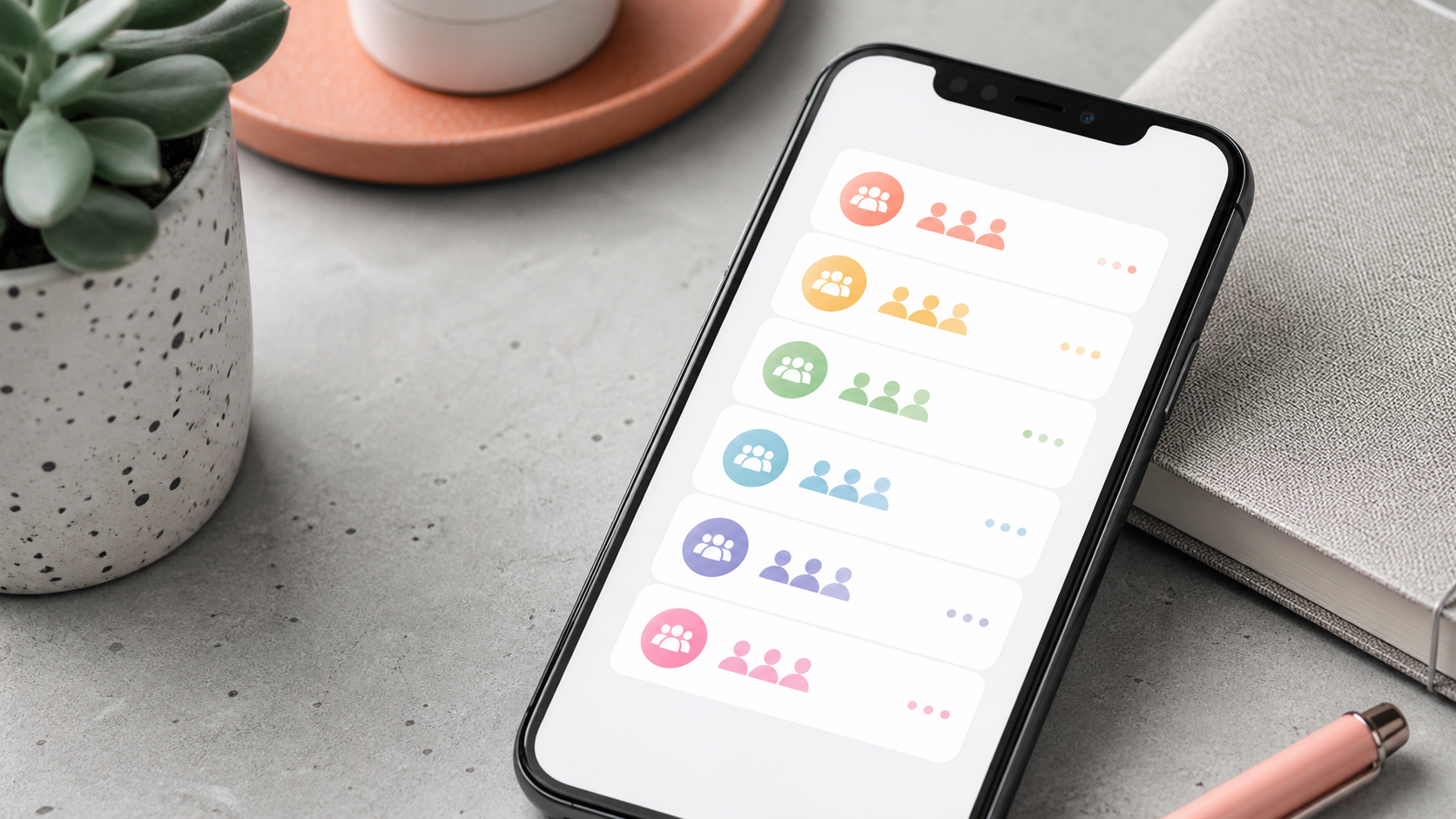
Chat folders give each group a clearer home. A parent can separate year-one announcements from after-school club messages. A teacher can keep staff coordination apart from class communication. That small bit of structure saves time and reduces mistakes.
For school communities, folders are useful because they mirror the way people already think. Most of us do not want one long list of chats. We want a simple way to see what is urgent, what is routine and what can wait until later.
- Keep class notices separate from general parent chat groups
- Place sports, music and trip updates into their own chat folders
- Use folders to reduce clutter during busy weeks
- Make recurring conversations easier to find later
Making image sharing safer and more practical
Image sharing is common in school chats, but it needs care. Photos can be useful for event reminders, lost property, homework examples or trip updates. They can also create problems if they are shared casually without clear expectations.
The main point is not to avoid images altogether. It is to make sure they are shared in a controlled, understandable way. A good group chat should support image sharing without making people wonder where a picture may end up or who might save it.
School communities usually benefit from simple habits here. Share only what is relevant, avoid posting children’s images unless the group has agreed on that approach and keep personal photos out of broad public channels. Tools should support those habits rather than complicate them.
What easy tools should do for school communication
Easy tools are not about adding more features for their own sake. They are about reducing friction. In school chat groups, the best tools are the ones that help people send the right message to the right place with the least effort.
That means clear group names, straightforward settings and a tidy interface. People should not need a long explanation every time they want to check a notice, mute a chat or find an older update.
If a system is too awkward, people work around it. That often leads to messages being copied into the wrong place, announcements being repeated and important information getting buried. Simplicity is not a nice extra. It is part of the communication system.
Practical habits that improve school chat groups
Even with good tools, school chats work best when the group follows a few shared habits. These do not need to be formal or complicated. In fact, the simpler they are, the more likely people are to use them consistently.
It helps to decide what belongs in the chat, who should post announcements and when a message should move to a different channel. That prevents the group from becoming a catch-all space for everything at once.
If you are helping set up a new school group, a short shared guide can make things easier for everyone. It can cover the basics without sounding strict.
- Keep announcements concise and clearly labelled
- Use one group for one purpose wherever possible
- Agree on when image sharing is appropriate
- Avoid sending repeated reminders in multiple places
- Archive inactive groups so active ones stay easy to follow
Why simple design helps everyone, not just tech-savvy users
School communities include a wide range of people, and not everyone is comfortable navigating complex apps. A tool that feels simple from the start is more inclusive because it lowers the barrier to participation.
This matters in practical ways. A grandparent helping with pick-up arrangements, a new parent joining mid-year or a teacher managing several groups at once all benefit from a system that feels obvious. Simple design avoids confusion and keeps the focus on the conversation itself.
That is one reason services such as PigeonChat can be appealing to people looking for a more orderly approach. The key idea is not novelty. It is making communication easier to manage, with privacy and organisation considered from day one.
Frequently asked questions
What makes school chat groups different from other group chats?
School chat groups often involve children’s schedules, family routines and sensitive contact details, so they need more care than a casual social group. They also tend to be busier, which makes clarity and organisation especially important.
Are chat folders really necessary for school communication?
They are not mandatory, but they are very helpful. Chat folders make it easier to separate class updates, club notices, staff messages and day-to-day coordination. That keeps important information from getting lost in the noise.
How should image sharing be handled in a school group?
Use image sharing only when it is useful, relevant and agreed by the group. Avoid sharing personal photos broadly, and keep the focus on practical communication such as notices, examples or event information. Clear expectations make image sharing much safer.
When school chat groups are built with privacy and easy tools in mind, they become calmer, clearer and more reliable. People spend less time searching, less time worrying and less time correcting avoidable mistakes. That leaves more room for the actual purpose of the group, which is to help school life run smoothly.
Ready to try PigeonChat?

Writer & Editor at PigeonChat
Related Articles

How chat groups help schools and universities stay organized

How chat groups support schools and universities

Why chat folders help busy groups stay organized

How chat groups support schools and universities
Why chat folders matter for busy group conversations