
What chat features matter most in private apps
A practical rundown of the chat features people ask for most, from groups and folders to stickers, stories and image sharing.
Choosing a private chat app is less about flashy extras and more about the things you will rely on every day. The best private apps feel simple at first use, but they also make it easy to organise conversations, share media safely, and keep personal and work messages from tangling together.
When people compare chat features, the focus often lands on privacy promises. That matters, of course, but day-to-day usefulness matters too. If an app is secure but awkward to use, people tend to drift back to whatever is familiar. A good private chat app needs to balance trust, speed, and practical tools.
This guide looks at the features that usually make the biggest difference, especially for everyday messaging. If you are choosing for yourself, a family, a small team, or a community group, these are the chat features worth paying attention to.
Start with the basics: speed, reliability, and privacy
The first test of any private chat app is whether it feels dependable. Messages should send promptly, open quickly, and sync cleanly across devices. People rarely notice these things when they work well, but they notice immediately when they do not.
Privacy is the other foundation. Look for clear explanations of what is stored, what is encrypted, and what the app can actually see. Good private apps are transparent about their limits. That clarity matters more than vague claims of being “secure”.
If you are comparing options, ask a simple question: would I be comfortable using this app for everyday conversations, not just sensitive ones? For many people, that is the real standard. PigeonChat, for example, is built around the idea that privacy should not make messaging feel complicated.
Why image sharing matters more than many people expect
Text is only part of modern messaging. In everyday use, people send photos of documents, receipts, pets, locations, whiteboards, products, and quick updates. Strong image sharing is one of those chat features that can save time without drawing attention to itself.
In a private chat app, image sharing should feel straightforward but controlled. You want easy sending, sensible file handling, and a clear sense of what quality is preserved. If images are compressed too aggressively, useful detail can disappear. If they are awkward to upload, people stop using the feature.
It is also worth checking how the app handles previews, downloads, and storage. A private app should not force you into a messy gallery or make old images impossible to find. Good image sharing should support practical use, not create more admin.
- Easy sending from mobile and desktop
- Clear handling of file size and quality
- Private previews that do not leak too much information
- Simple ways to find shared images later
- Controls for saving, downloading, or deleting media
Chat groups need more than just extra people in the room
Many private apps work fine for one-to-one messaging but become difficult once groups are involved. Good chat groups need structure. Otherwise, discussions become noisy, messages get missed, and people stop checking in.
Useful group chat features include member controls, message notifications that are not overwhelming, and ways to keep discussions readable. For families, clubs, project teams, or small communities, the difference between a usable group and a chaotic one is usually organisation rather than volume.
It also helps if the app gives people a sense of safety inside the group. That might mean better control over who can join, how invites work, or how conversations are removed when needed. Private apps should make group participation feel manageable, not exposed.
Chat folders make busy inboxes easier to live with
Chat folders are one of the most useful features for people who use messaging throughout the day. They help separate personal chats, work threads, project groups, and quieter archive conversations. Without some kind of organisation, even a good app can become tiring.
The best chat folders are simple. They should let you sort conversations in a way that matches how you actually think, not how the app designer imagines you should think. For example, you might want a folder for family, another for work, and one for groups you check less often.
This feature becomes even more valuable in private apps because many users choose them precisely to avoid distraction and overload. A tidy inbox supports that goal. When people can find the right conversation quickly, they are more likely to keep using the app consistently.
Notifications, search, and message controls shape daily use
Some chat features are easy to overlook during sign-up but become essential after a week. Search is one of them. If you cannot find an old message, a useful app suddenly feels much less useful. Search should work across names, keywords, and media where possible.
Notifications matter just as much. Private chat apps often attract people who want fewer interruptions, not more. The best apps let you tune alerts by conversation or folder, mute noisy threads, and avoid being pulled back in every time someone posts in a group.
Message controls also deserve attention. Editing, deleting, pinning, replies, and reactions can all make conversations easier to follow. These tools are not glamorous, but they are often the difference between a chat app that feels tidy and one that feels messy.
Look for everyday usability, not just technical promises
It is easy to be impressed by a strong privacy statement and forget to check whether the app is pleasant to use. In practice, people keep apps that fit into their routines. If an app is clumsy on mobile, confusing on desktop, or hard to organise, it will struggle no matter how secure it is.
That is why the most important chat features are often the ordinary ones: stable messaging, image sharing, chat groups that stay readable, and chat folders that reduce clutter. Together, they make private communication feel practical rather than specialised.
When evaluating an app like PigeonChat, try imagining a normal week rather than a special case. Can you move between conversations easily? Can you share a photo without fuss? Can you keep important chats separate from noisy ones? Those answers tell you more than a marketing page usually will.
Frequently asked questions
What are the most important chat features in a private app?
The most important features are reliable messaging, clear privacy settings, useful image sharing, organised chat groups, and chat folders that help you manage conversations. If those areas are weak, the app will probably feel frustrating in daily use, even if its privacy claims are strong.
Is image sharing safe in private chat apps?
It can be, but it depends on how the app handles media. Look for clear information about encryption, storage, downloads, and whether images are kept on the service after they are delivered. A private app should make that information easy to understand.
Do I really need chat folders?
If you use messaging for more than a handful of conversations, chat folders are often very helpful. They make it easier to separate work, family, and group chats, which can reduce noise and make the app feel calmer. For many people, this is one of the features they appreciate most after a few weeks.
In the end, the best private chat app is usually the one that helps you message comfortably every day without getting in the way. Security matters, but so do simple things like image sharing, chat groups, chat folders, and good controls for the conversations that matter. Choose an app that respects your privacy and fits the way you actually communicate.
Ready to try PigeonChat?

Writer & Editor at PigeonChat
Related Articles

Why people want a best chat app UAE option

PigeonChat.site: what the private browser app is for

PigeonChat.site explained for private browser messaging
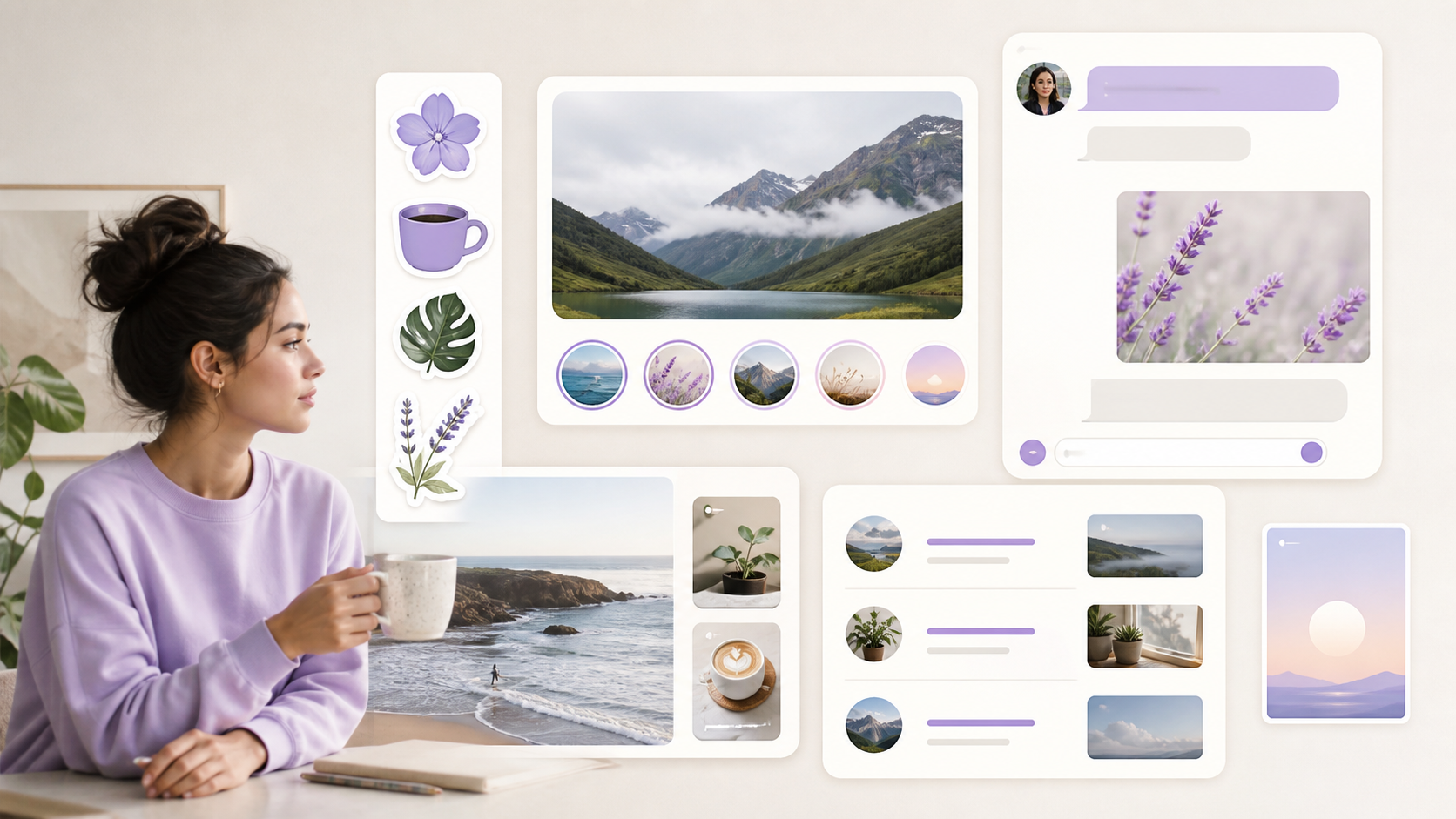
What chat features users expect in modern private apps
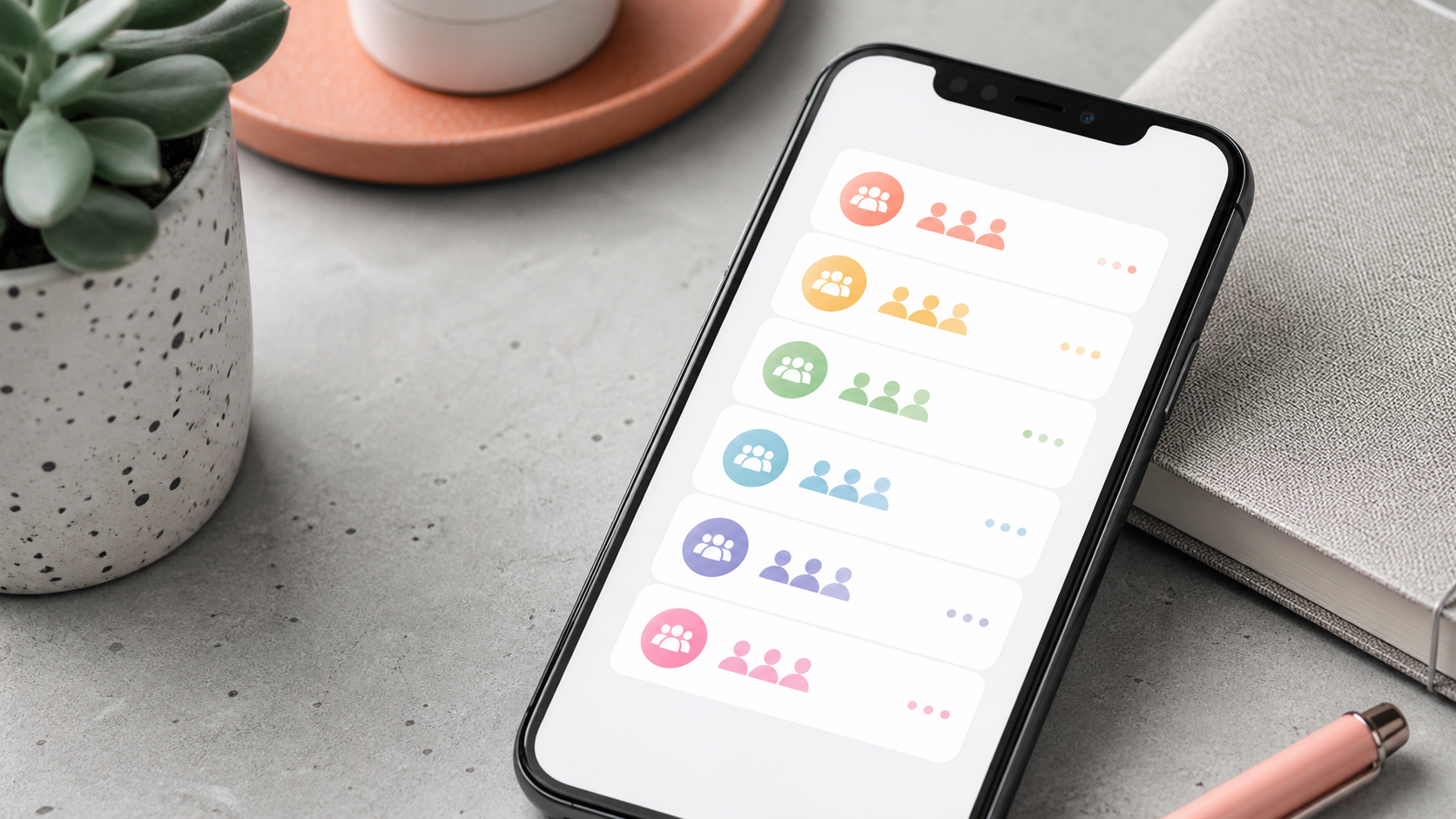
Why chat folders matter for busy group conversations