
What chat features users expect in modern private apps
From stickers to stories to AI help, private chat apps now compete on features as much as on security and trust.
Private messaging apps have changed a lot, but user expectations have changed too. People no longer want a simple text box with a lock icon. They want chat features that feel familiar, fast and expressive, while still giving them confidence that their conversations are genuinely private.
That balance is the real challenge. If an app is too bare, it feels less useful than the tools people already use every day. If it copies public social platforms too closely, it can start to feel noisy or unsafe. The strongest private apps combine privacy with the social touches people expect, and that is where products like PigeonChat are most interesting.
For teams building or choosing a private messenger, it helps to think less about individual gimmicks and more about the everyday habits people bring with them. Users want to send an image, react with a sticker, share updates, and keep a sense of presence. They also want the app to be predictable, comfortable and easy to trust.
Why familiar chat features matter in private apps
Most people do not adopt a messaging app because it is technically elegant. They adopt it because it fits into their routine. If a private app removes the conventions people already understand, they may not see it as safer, only as harder work.
That is why familiar chat features matter so much. A private app still needs clear message states, readable conversation threads, sensible notifications and simple media handling. Users should not have to learn a new communication language just to send a quick reply.
The best private apps take the familiar parts of mainstream messaging and rebuild them with stronger privacy choices underneath. The surface feels effortless, but the product is more deliberate under the hood.
Core chat features people expect on day one
When someone opens a modern private app, they usually expect the basics to be instantly obvious. They want one-to-one chats, group conversations, search, timestamps and a clean way to manage contacts. These are not advanced additions. They are the minimum required for everyday use.
Media handling is equally important. Good image sharing should feel natural, whether someone is sending a photo of a receipt, a sketch, a meme or a document snapshot. If media is awkward to attach, slow to preview or difficult to download, people quickly drift back to less private tools.
Useful core chat features often include:
- Fast text messaging with clear delivery and read states
- Simple image sharing and other media attachments
- Group chats with easy invitation and member management
- Search that helps users find people and previous conversations
- Quiet, reliable notifications that do not overwhelm the phone
These may sound ordinary, but ordinary is the point. Privacy should not force people to give up convenience. If anything, a private app has to work harder to earn the same sense of ease.
Sticker, reactions and the social layer users still want
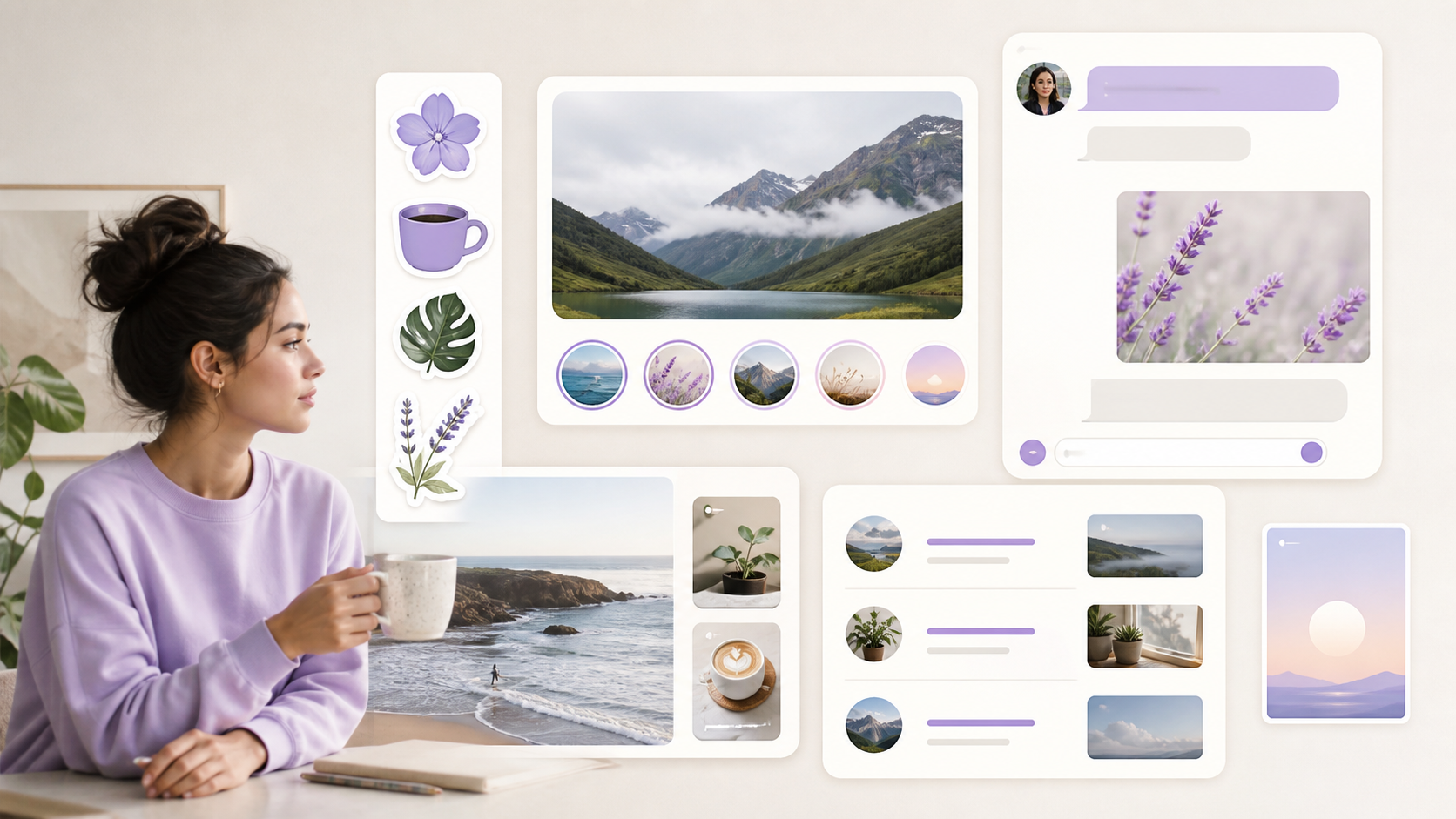
A surprising number of people use messaging apps not just to exchange information, but to signal tone. That is why a sticker, emoji reaction or quick tap response can be so valuable. A short reaction can keep a conversation moving without demanding a full reply.
Stickers are especially useful because they bring personality into private spaces. They can make a conversation warmer, lighter or more playful without making the app feel public. In a well-designed private messenger, these small touches help users feel that the app is human, not just secure.
The key is restraint. A private app does not need endless social noise. It needs the right amount of expression, placed where it helps rather than distracts. When sticker packs and reactions are easy to use, they become part of the conversation rather than decoration.
Stories and status updates without turning private chat into a feed
Many users now expect some version of stories or status updates, even in private apps. They like the ability to share a moment briefly, without turning every message into a permanent conversation thread. That does not mean every messenger should copy public social media. It means people value lightweight updates that disappear or age out naturally.
In a private context, stories need careful handling. Users should know exactly who can see them, how long they last and whether they can be saved or forwarded. Clear controls matter more than flashy presentation. If the privacy model is vague, the feature becomes a liability.
Done well, stories can give a private app a modern feel without forcing it into a social-media format. They work best when they complement direct chat rather than compete with it. That keeps the product useful for both casual sharing and deeper conversation.
Privacy first, but not privacy only
People who choose private apps usually care about security, but they still judge the app by comfort and usability. Encryption, access control and sensible data handling are essential, yet users do not spend their day thinking about them. They notice whether the app is responsive, whether media loads properly and whether conversations are easy to follow.
That is the practical lesson for product design. A private messenger wins trust when privacy is built in, not bolted on. But it keeps that trust when the experience still feels familiar enough that people want to return to it every day.
In other words, privacy is the promise, while the experience is what keeps the promise believable. If a product like PigeonChat gets that balance right, it can feel reassuring without feeling stripped back.
Design choices that make private messaging feel complete
The strongest modern chat features are often the ones that disappear into the background. People appreciate typing indicators, message editing, voice notes, pinned conversations and flexible media sharing because they reduce friction. None of these features need to be loud. They just need to work.
Good design also means being careful about defaults. Private apps should avoid over-sharing, avoid clutter and avoid surprising users with public-facing behaviour. The interface should help people understand what is visible, what is saved and what stays local or encrypted.
When evaluating a private app, it helps to ask whether it supports real communication habits. Does it make it easy to start a conversation, keep it going and come back to it later? Can users share an image, send a sticker, check a story and still feel in control? Those are the questions that matter.
Frequently asked questions
What chat features do users expect most in private apps?
Most users expect the basics to be effortless: text chat, group chat, image sharing, search and reliable notifications. After that, they look for expressive touches such as reactions, stickers and simple status features. The app should feel familiar even if it is more privacy-conscious than mainstream messengers.
Do stories make sense in a private messaging app?
They can, as long as they are handled carefully. In a private app, stories should have clear visibility controls, sensible expiry and obvious rules about saving or forwarding. The feature should support lightweight sharing, not turn the app into a public content feed.
How important is a sticker feature compared with privacy controls?
Privacy controls are the foundation, but a sticker feature can still matter a great deal because it helps conversations feel natural. People often choose apps they enjoy using, not just apps they trust. The best products combine strong privacy with small social details that make communication feel human.
Modern private messaging apps succeed when they respect both sides of the equation. They protect conversations without making them feel clinical, and they offer familiar chat features without exposing users to the risks of public platforms. That is the standard users increasingly expect, and it is the benchmark private apps need to meet.
Ready to try PigeonChat?

Writer & Editor at PigeonChat
Related Articles

Why people want a best chat app UAE option

PigeonChat.site: what the private browser app is for

PigeonChat.site explained for private browser messaging
What chat features users expect in modern private apps
Why chat folders matter for busy group conversations