
WhatsApp, Signal and Telegram compared for private chats
Compare WhatsApp, Signal, Telegram and PigeonChat.site on privacy, encryption, group tools, and browser access to see which fit private chat needs.
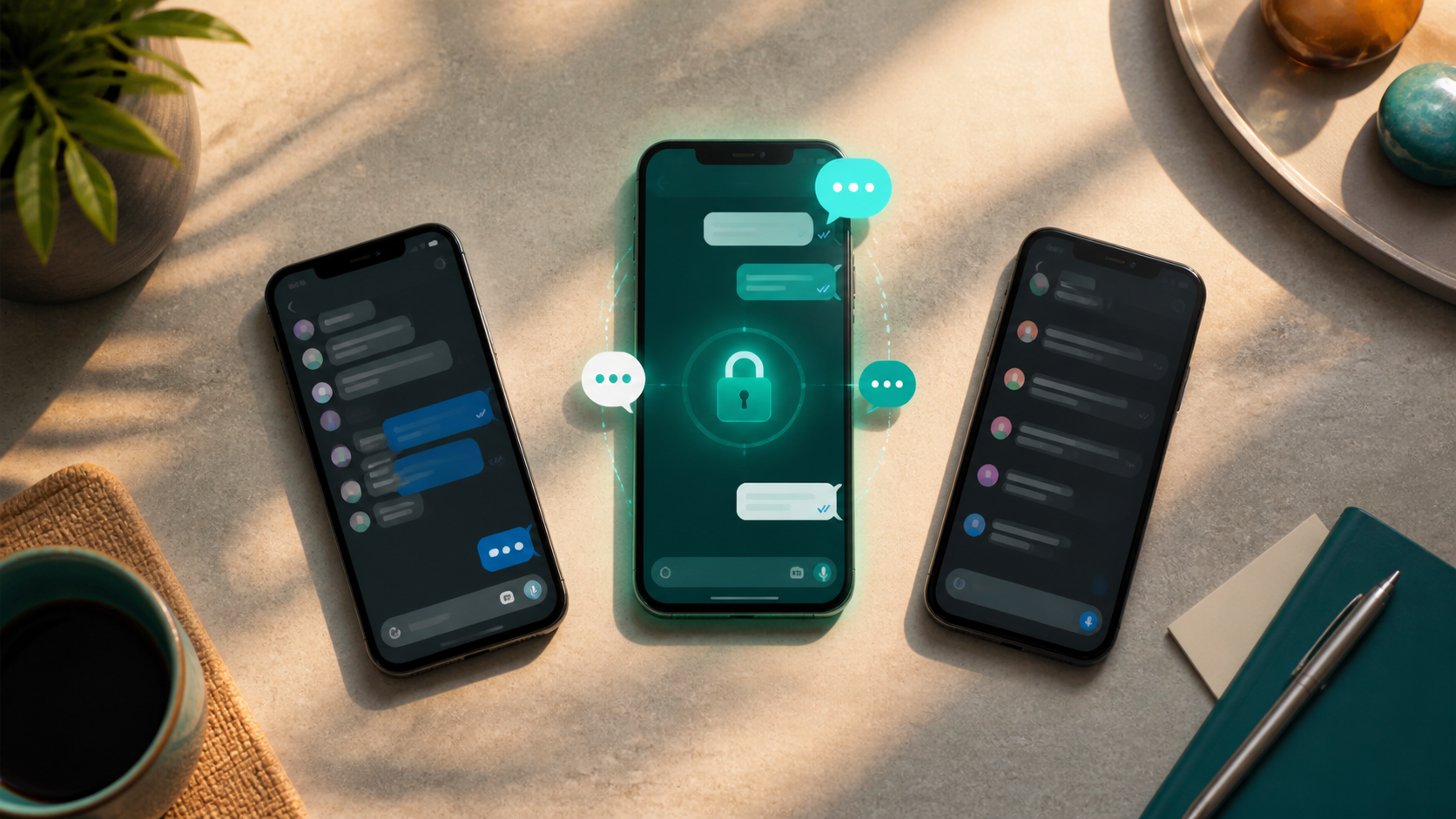
When people compare WhatsApp, Signal and Telegram for private chats, they are usually weighing up three different things at once: how easy the app is to use, how much the provider can read, and whether the app works well on the web. Those trade-offs matter more than the marketing labels. “Private” can mean end to end encryption chat by default, encryption for only some conversations, or simply a product with a strong privacy reputation.
This guide looks at the most searched options in practical terms. If you want the short version, Signal is usually the strongest choice for privacy by default, WhatsApp is the most familiar and still uses end-to-end encryption in chats, and Telegram is the most flexible for large groups and multi-device use but is not the same thing as a fully encrypted messenger across the board. If you are also looking for a signal alternative chat signal or a Telegram. Best private chat option, the details below will help you decide what actually fits your day-to-day needs.
Browser access is the other deciding factor. Many people want to message from a laptop without installing anything, or they want a web session they can open quickly on shared devices. That convenience can be useful, but it also changes how private the experience feels. PigeonChat exists in this wider conversation as a browser-first chat product, so it is worth understanding where browser access helps and where it creates compromises. You can explore it at PigeonChat, even if you only want to compare what “web-based chat” means in practice.
WhatsApp, Signal and Telegram at a glance
WhatsApp is the most mainstream of the three. It is familiar, widely installed, and supports encrypted personal chats and calls. For most users, that makes it an easy default when privacy is important but simplicity matters too. The trade-off is that it is still tied to a broader platform ecosystem, and its overall privacy posture is not as narrowly focused as Signal’s.
Signal is built around privacy first. It is often the benchmark when people search for the best private chat app because encryption is central to the product rather than an optional extra. If your main concern is keeping chat content away from intermediaries, Signal is usually the clearest answer. It is less about features for their own sake, and more about reducing what the service can know.
Telegram is different again. It is popular because it is fast, flexible and good for large communities, channels and multi-device use. But it is not accurate to treat every Telegram conversation as equivalent to a fully encrypted private chat. That distinction matters if the main reason you are switching apps is privacy rather than convenience.
- WhatsApp - familiar, easy, encrypted chats and calls, broad mainstream adoption.
- Signal - strongest privacy-first reputation, end-to-end encryption chat is the default focus.
- Telegram - flexible, feature-rich, strong for groups, but privacy depends on which chat type you use.
Privacy and encryption: what “private” really means
When people say an app is private, they often mean different things. Some mean the service cannot read message content. Others mean the app shares as little metadata as possible. Others simply want chats that are not visible to advertisers or casual snooping. These are related, but they are not identical.
Signal is the clearest option if you want encryption to be the core design principle. It is the one people generally mean when they talk about an end to end encryption chat app in the strongest sense. Messages are protected so that only the participants can read them, and the app’s branding reflects that focus.
WhatsApp also uses end-to-end encryption for chats and calls, which is important and often overlooked. The difference is that WhatsApp sits inside a much larger commercial ecosystem, so users often think of it as “private enough” rather than “privacy-first”. That can still be fine, especially if your contacts already live there.
Telegram deserves a more careful read. It is a good app for many use cases, but it is not usually the first recommendation for people whose main goal is the strongest private chats. If you choose Telegram, make sure you understand which features are encrypted and which are not, because the app’s convenience can hide that distinction.
Browser access and desktop use
Browser access is where the decision becomes more practical. Some people want a chat app they can open in a tab at work or on a borrowed laptop. Others want to avoid installing desktop software. In those cases, a browser-based messenger can feel simpler and more accessible.
But web access is not automatically more private. A browser session can be left open, cached data can remain on the device, and shared computers introduce obvious risks. So if browser convenience is the deciding factor, think about session controls, device trust and logout habits, not just the app name.
WhatsApp Web is convenient if your main contacts are already on WhatsApp. Telegram’s browser and desktop options are also flexible, which helps if you move between devices. Signal has become more usable on desktop, but its web story is not the same as a fully browser-native product. That is one reason some users look for a signal alternative chat signal experience that blends privacy with easier browser use.
Which app suits which kind of private chat?
If your goal is maximum privacy with minimal fuss, Signal is usually the first choice. It is the most straightforward answer for people who want private messaging to be the default, not a setting they need to remember to switch on. It is also the safest recommendation when you are advising someone who wants less complexity, not more.
If your priority is reaching the most people while still getting encrypted chats, WhatsApp has a strong case. It is practical, social and familiar, and for many everyday conversations that matters more than a purist privacy stance. For people who are not going to convince friends and family to install a new app, WhatsApp can be the most realistic choice.
If you want large groups, channels, bots and a fast multi-device experience, Telegram is hard to ignore. Just be careful not to confuse feature richness with privacy strength. The app can suit many users, but it is not automatically the best private chat choice just because it is popular.
- Choose Signal if privacy is the main requirement and you want the cleanest model.
- Choose WhatsApp if you need encrypted chats and the widest everyday reach.
- Choose Telegram if groups, channels and flexibility matter more than strict privacy.
- Choose a browser-first tool if quick access on desktop is essential, but check how sessions are handled.
What to check before trusting any chat app
Before you settle on WhatsApp, Signal or Telegram, look beyond the logo. Ask where encryption is automatic, where it is optional, and whether the web version changes the security picture. Also check whether the app makes it easy to log out remotely, manage linked devices and limit message previews on your screen.
It is also sensible to think about the people you talk to most. Privacy is not only a technical property. A highly secure app is less useful if none of your contacts use it. For many people, the best private chat app is the one they will actually keep using consistently.
That is where products like PigeonChat become interesting as a category rather than a promise. Browser-friendly messaging can make adoption easier, but the real question is whether the app gives you the right balance of access, encryption and control. The same rule applies whether you are comparing a major app or a smaller one.
Frequently asked questions
Is Signal really better than WhatsApp for private chats?
In most cases, yes, if your priority is privacy-first design. Signal is built around end-to-end encrypted messaging as the main purpose of the app, while WhatsApp is a broader consumer platform that also offers encrypted chats and calls. If you want the cleanest privacy story, Signal is usually the stronger choice.
Is Telegram a good Telegram. Best private chat option?
Telegram can be a good chat app, especially for groups and multi-device use, but it is not the best choice if your main criterion is strict private messaging. The important point is to understand which conversations use stronger protection and which do not. If privacy is the top priority, it is safer to compare it carefully with Signal first.
Does browser access make a chat app less secure?
Not always, but it can introduce more practical risk. A browser tab may stay open, a shared laptop may retain data, and linked sessions can be forgotten. Browser access is convenient, especially for work or quick use, but it is worth pairing it with good device habits and clear logout controls.
In the end, the right answer depends on what you value most. Signal leads on privacy, WhatsApp leads on familiarity and reach, and Telegram leads on flexibility. If you want private chats to be genuinely private, read the encryption model first and the feature list second. That one habit will save you from choosing an app for the wrong reason.
Ready to try PigeonChat?

Writer & Editor at PigeonChat
Related Articles

Viber, Telegram, and Messenger compared for private chat

Signal alternative chat app: what users actually want
What a true WhatsApp alternative should include
WhatsApp, Signal, Viber, and Telegram compared
Why chat folders matter for busy group conversations