

Signal alternative chat app features users compare
If you want a Signal alternative, this guide breaks down the chat features people compare most, from encryption to folders, groups and sharing.
When people compare a signal alternative chat app, they are usually not looking for one magic feature. They are trying to work out which product feels private, simple, and dependable enough for everyday messaging. That means the best choice often depends less on branding and more on the practical chat features you will use every day.
If you are moving away from Signal or just keeping a few options open, it helps to separate marketing from reality. Some apps promise more flexibility, others emphasise a tighter privacy model, and a few try to make life easier with extras such as chat folders, multi-device support, or better organisation tools. The right mix is the one that fits your habits, not the one with the longest feature list.
This guide looks at the features people tend to compare most when evaluating Signal alternatives for private messaging. It is written for ordinary use, so you can judge what matters before you install anything. PigeonChat is one example of how a privacy-first app can still keep the experience straightforward, but the comparison points below apply more broadly.
Start with the core privacy model
For many users, the first question is whether the app offers end to end encryption chat by default. That is the baseline most people expect when they hear “private messaging”. It means messages are designed so that only the participants can read them, rather than the service provider being able to inspect content.
It is worth checking how the app explains this in plain language. Some services encrypt only certain chats, while others encrypt everything automatically. A clear privacy model is usually a sign that the app has thought through the basics properly, which matters more than a long list of add-ons.
Also look at the surrounding features. Encryption is important, but it is not the whole story. Contact discovery, backups, linked devices, and notification behaviour all affect how private and convenient the app feels in day-to-day use.
Compare the chat features you will actually use
When people search for a signal alternative chat app, they often focus on a handful of practical chat features. These can make the difference between an app that feels polished and one that becomes annoying after a week.
Think about how you message in real life. Do you keep work, family, and community chats separate? Do you need message reactions, pinned conversations, or message editing? Do you switch between phone and desktop a lot? The answer to those questions matters more than whether an app has some niche feature you will never touch.
Useful chat features to compare include:
- Message editing and deletion
- Pinned chats and starred messages
- Group chat controls and moderation tools
- Voice notes and media sharing
- Desktop and tablet support
- Search that actually finds older messages
- Optional chat folders for organisation
Chat folders are especially helpful for people who juggle many conversations. They can reduce clutter without forcing you to archive everything manually. For some users, that is a small feature that makes a big difference.
Look for good defaults, not just optional extras
The best private messaging apps are usually the ones with sensible defaults. You should not have to hunt through menus to make basic things safe or manageable. If the app puts private settings, message history controls, and notification options in obvious places, it is much easier to trust.
That includes how the app handles media previews, lock-screen notifications, and link handling. A message can still be private while the preview on your phone gives away too much. Good defaults reduce the chance of accidental oversharing, which is often the real risk in everyday use.
This is also where some services feel more approachable than others. PigeonChat, for example, aims to keep privacy and usability close together rather than treating them as separate layers. That kind of design is useful even if you are only comparing apps and not ready to commit.
Check how the app handles groups and organisation
Private messaging is rarely just one-to-one chat. People use group chats for families, friends, clubs, and projects, so group management matters a great deal when comparing alternatives to Signal.
Look at the basics first. Can you name the group clearly? Can you mute noisy conversations? Are invite links controllable? Can admins manage membership without turning the chat into a chore? The more people in a group, the more these details matter.
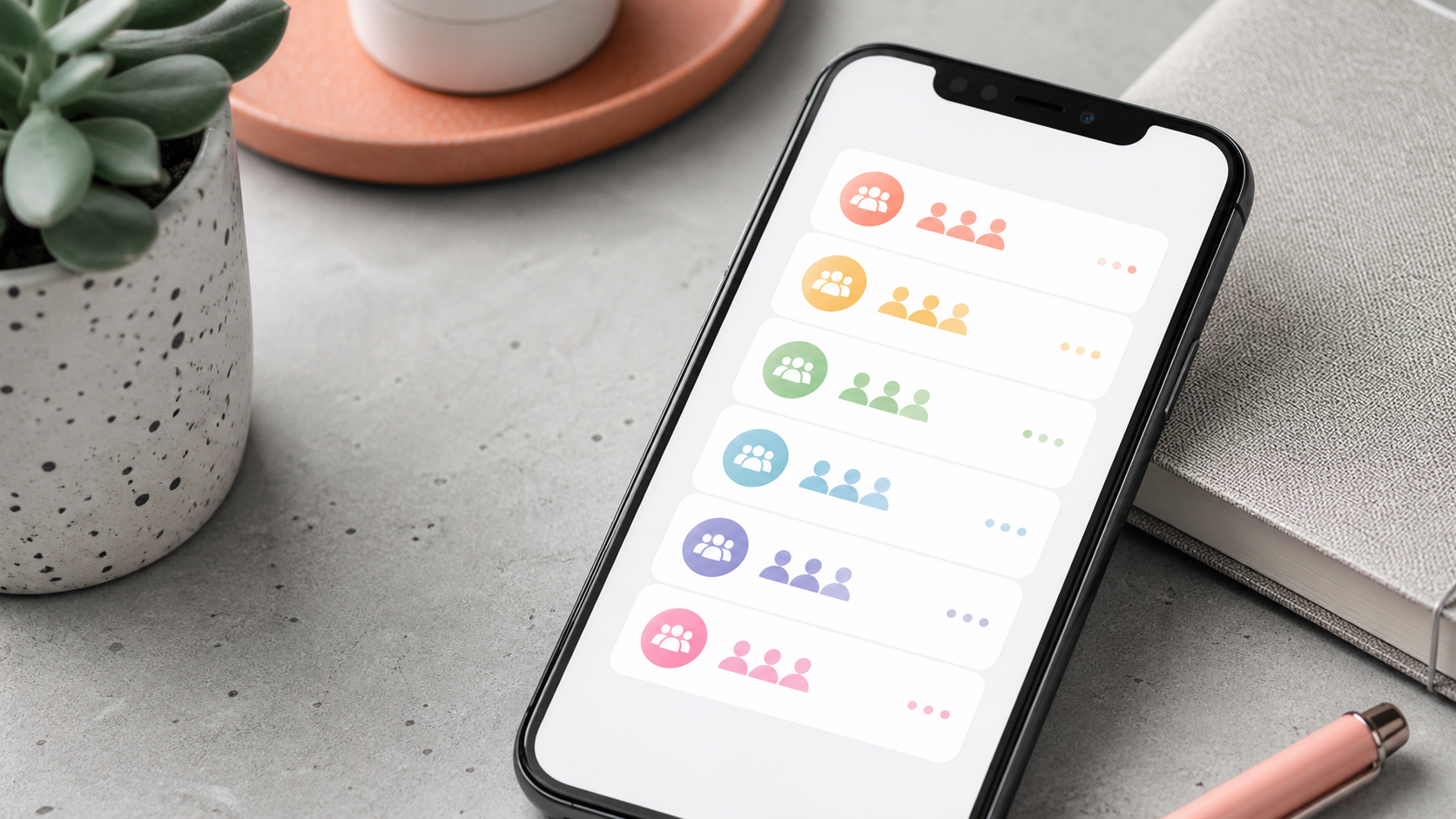
Organisation tools also deserve attention. Chat folders, archived sections, and search filters help keep important chats visible. If you use a messaging app for both personal and practical communication, these features can save a lot of time and reduce stress.
Balance privacy with everyday convenience
There is often a trade-off between maximum privacy and smooth daily use, but it should not feel dramatic. A strong private messaging app can still be pleasant to use. The trick is to understand where a product has made its compromises.
For example, some apps keep a very strict privacy posture but may offer fewer convenience features. Others add more ways to organise conversations and sync devices, but that can come with more account data or a broader service footprint. Neither approach is automatically right or wrong. It depends on what you value.
If you want a simple way to compare options, ask yourself three questions: can I trust the encryption model, can I manage my chats comfortably, and can I use this app without thinking about it all day? That usually gets you to the real answer faster than any feature checklist.
How to compare apps without getting lost in the details
It is easy to overthink this category because messaging apps overlap so much. A sensible comparison process helps you stay focused on the features that matter most to you rather than the ones people debate online.
A practical approach is to make a short shortlist and test the same tasks in each app. Send a message, start a group, move a conversation into a folder, search for an older chat, and review the privacy settings. Those small actions reveal more than any product description.
Before deciding, use this simple checklist:
- Is end to end encryption chat the default?
- Are the privacy settings easy to understand?
- Do the chat features fit your normal routine?
- Are chat folders or similar tools available if you need them?
- Does the app work well on all the devices you use?
- Would you be comfortable recommending it to someone less technical?
If you can answer yes to most of those points, the app is probably good enough for everyday private messaging. If not, keep looking. There is no benefit in staying loyal to an app that makes simple communication harder than it should be.
Frequently asked questions
What is the most important feature in a Signal alternative?
For most people, the most important feature is a clear end to end encryption chat model that is enabled by default. After that, the next priority is usually whether the app feels easy to use every day. Privacy matters, but so does convenience.
Are chat folders really useful?
Yes, especially if you message across several areas of life and want to keep them separate. Chat folders are not essential for everyone, but they can make a messaging app feel much less cluttered. If you receive a lot of conversations, they are worth looking for.
Should I choose the app with the most features?
Not necessarily. More chat features can be helpful, but only if they suit the way you communicate. A simpler app with strong privacy, good defaults, and the right organisation tools is often a better fit than a crowded one with features you never use.
In the end, the best signal alternative chat app is the one that fits your habits without making you think too hard about privacy every time you open it. If you compare the core security model, the day-to-day chat features, and the quality of organisation tools like chat folders, you will usually make a better choice. Whether you are exploring options for yourself or simply learning what to look for, a calm, practical comparison will take you much further than feature hype.
Ready to try PigeonChat?

Writer & Editor at PigeonChat
Related Articles

Viber, Telegram, and Messenger compared for private chat

Signal alternative chat app: what users actually want

What a true WhatsApp alternative should include

WhatsApp, Signal, Viber, and Telegram compared
Why chat folders matter for busy group conversations