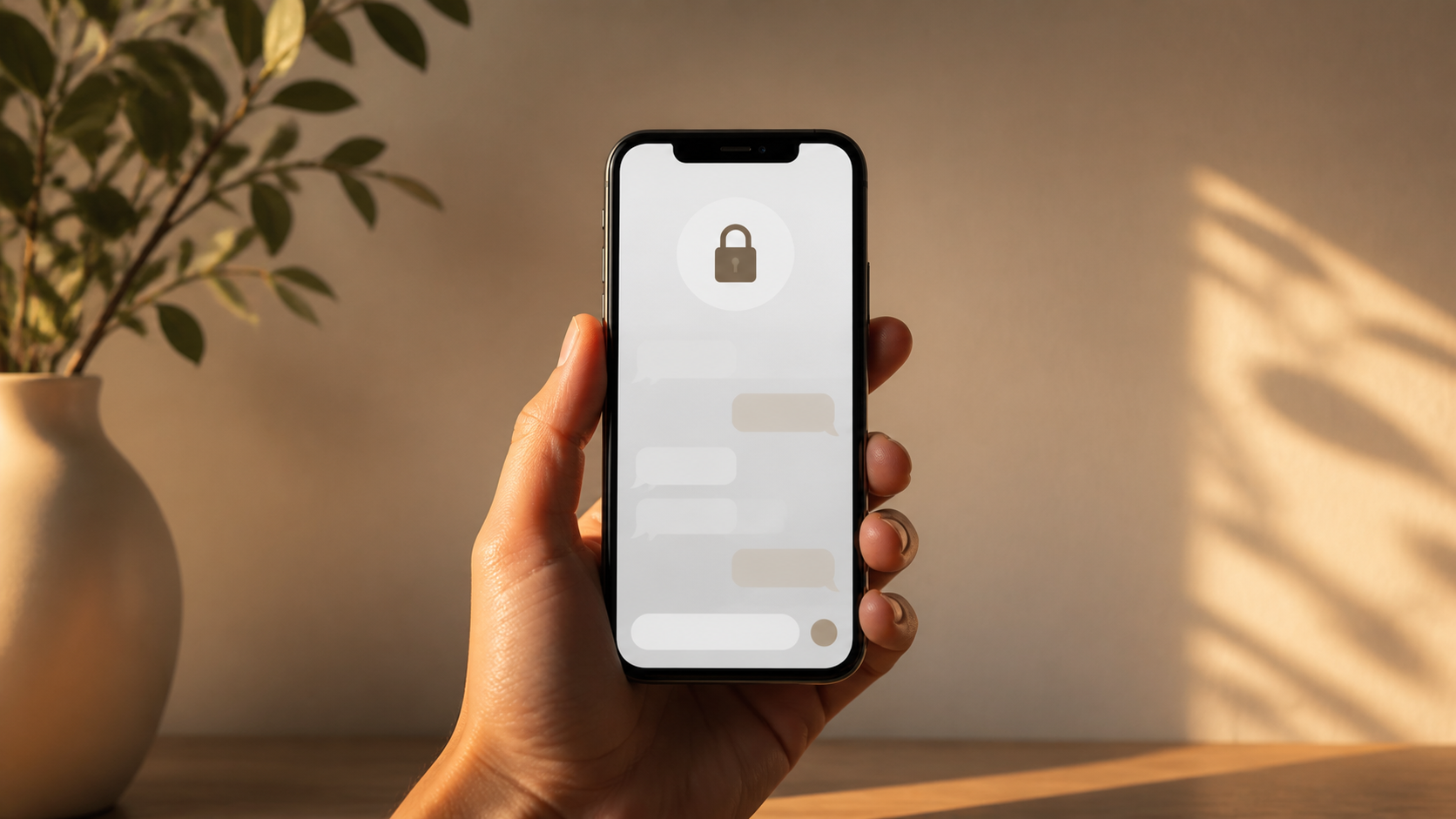
Why people want a WhatsApp alternative without a number
If you want a WhatsApp alternative without a phone number, this guide explains the privacy and access tradeoffs to consider.
For many people, the appeal of a WhatsApp alternative without a number is simple: less friction, and less personal information handed over at the start. You should not need to share a phone number just to start a conversation, especially if you are trying a new service, joining a community chat, or speaking to someone for the first time.
This is not a niche complaint. It is a real search need because phone numbers now act like a default identity in far too many places. That can be inconvenient when you want a separate work identity, awkward when you are contacting a stranger, and uncomfortable when you prefer not to link your chats to the same number used for banking, delivery apps, and account recovery.
A number-free sign-up also reduces the small but constant barriers that make people abandon a service before they even try it. A privacy first chat app can feel easier to test, easier to keep separate, and easier to trust. That is part of why products such as PigeonChat are gaining attention from people who want a more direct way to chat.
Why no-number sign-up matters in a whats app alternative
For many users, the phone number requirement is not just an inconvenience. It creates a forced link between identity and communication. If you are looking for an alternative chat app, that link can feel unnecessary, particularly when you only want to join a group, speak to a customer, or try a service once.
People also associate phone numbers with permanence. Once a number is tied to a chat account, it can be harder to change later, harder to keep private, and harder to separate from other parts of your life. A no-number model offers a cleaner starting point, which is often exactly what people mean when they search for a Whats App replacement.
This does not mean every chat app must reject phone numbers entirely. It means some users actively want choice. They want a product that lets them begin with a username, a link, or another lower-friction method instead of making the number the centre of the experience.
Privacy first chat app expectations are changing
Privacy is no longer a specialist concern. More people now expect chat tools to collect less by default, ask for less at signup, and reveal less to other users. A privacy first chat app does not need to promise total secrecy to be useful. It just needs to avoid unnecessary exposure.
That expectation affects first impressions. If a service asks for a number immediately, some people will pause. They may wonder who can see it, whether contacts will be uploaded, or whether the number will be used for discovery. Even if the answers are sensible, the friction remains.
By contrast, a no-number sign-up creates a stronger sense of control. You decide what to share and when. That is one reason PigeonChat and similar services are interesting to people who are comparing options rather than looking for a clone of the usual messaging apps.
Lower friction is not a small detail
It is easy to underestimate how many people drop out when signup feels too heavy. Every extra field, verification step, or permission request adds another moment of hesitation. A free and practical alternative chat app often succeeds not because it does something radically new, but because it removes the obvious obstacles.
Not everyone wants to install an app, hand over a contact list, and verify a SIM card before saying hello. Sometimes the goal is much simpler. You want to message a client, join a hobby group, or test a new service without committing your main number.
That is why no-number chat is more than a privacy slogan. It is a usability choice. If the first experience is light, people are more likely to continue. If the setup feels intrusive, many will never get past the first screen.
- Less time spent on account creation
- Less pressure to reveal a personal number
- Easier separation between personal and public chats
- Lower risk of your number being exposed to others
- More comfortable for one-off conversations and trial use
Where a phone-free model is especially useful
There are several situations where a no-number design makes immediate sense. If you are talking to a seller, a contractor, or a new contact, you may not want to exchange numbers before trust is established. If you are joining an online community, you may prefer not to tie that activity to your main line.
It can also be useful for workplaces and groups that need a chat space without mixing it into staff members’ personal phone books. In those cases, the ideal system is one that feels simple to start, easy to understand, and separate from the rest of your digital life.
Products like PigeonChat fit neatly into that pattern because they are designed around the idea that chat should be accessible without demanding a phone number first. That is attractive not only to privacy-conscious users, but also to anyone who wants a cleaner boundary between different parts of life.
What to look for in an alternative chat app
If you are comparing options, the absence of a phone number is a good start, but it should not be the only factor. The app still needs to be reliable, understandable, and respectful of the amount of information it asks for. A simple signup is only useful if the rest of the product is equally straightforward.
Look for whether the app makes discovery optional, whether it explains what data is collected, and whether it allows you to control who can contact you. A privacy first chat app should make those choices visible instead of hiding them in settings you will never find.
It also helps to think about the social side. If the people you want to chat with are already using a service, convenience may matter more than features. If you are trying to create a fresh space, then no-number sign-up becomes a real advantage rather than a nice extra.
Frequently asked questions
Why do people search for a Whats App alternative without a number?
Because they want to reduce friction and avoid linking their chats to a personal phone number. For many users, a number is not just a login method, it is a piece of identity they would rather not share unless it is genuinely needed.
Is no-number sign-up only about privacy?
No. Privacy is important, but convenience matters too. A no-number chat app can be easier to test, easier to use for one-off conversations, and better for keeping work, community, and personal messaging separate.
Does a privacy first chat app have to be complicated?
Not at all. The best experience is often the simplest one. A good privacy first chat app should explain what it needs, ask for less by default, and let you start chatting without unnecessary steps.
In the end, the demand for no-number sign-up is not about rejecting messaging altogether. It is about wanting a chat experience that respects boundaries, lowers the effort to begin, and gives people more control over what they share. That is why this search is real, and why options like PigeonChat are worth a look even if you only want to understand what better chat design can feel like.
Ready to try PigeonChat?

Writer & Editor at PigeonChat
Related Articles
Viber, Telegram, and Messenger compared for private chat

Signal alternative chat app: what users actually want
What a true WhatsApp alternative should include
WhatsApp, Signal, Viber, and Telegram compared
Why chat folders matter for busy group conversations