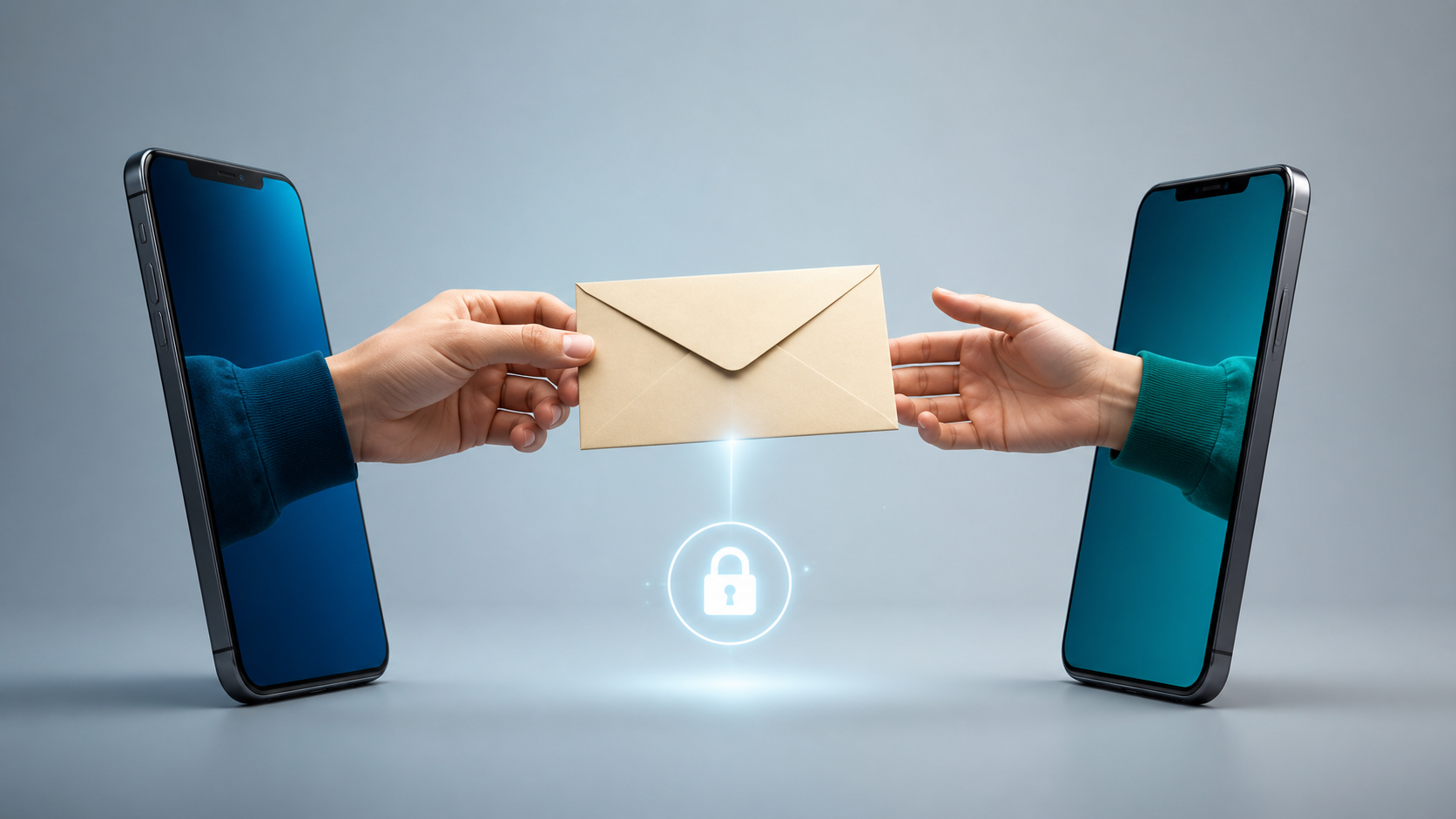
What end to end encryption chat really protects
End to end encryption helps keep messages private in transit, but users still need to understand backups, devices, and shared screenshots.
When people ask what end to end encryption chat really protects, the short answer is this: it protects the content of your messages while they travel between devices. It makes it much harder for intermediaries to read what you send. That is valuable, but it is not the same as total privacy.
It helps to think of encryption as one layer in a wider privacy setup. A privacy first chat app can reduce what outsiders learn about your conversations, but it cannot remove every risk. If you use an end to end encryption chat, you still need to think about who you are talking to, what your device reveals, and how messages behave once they are delivered.
This is where many people get tripped up. Encryption protects message content in transit, but it does not automatically protect metadata, screenshots, backups, or the person on the other end of the chat. Services such as PigeonChat can make those trade-offs clearer, but the basic principles matter no matter which app you use.
What end to end encryption actually protects
In a true end to end encryption chat, messages are encrypted on your device and decrypted only on the recipient’s device. In practical terms, that means the service moving the message through its servers should not be able to read the message body. If someone intercepts the traffic in the middle, they should see scrambled data rather than plain text.
This is why people choose an e2e chat app pigeonchat.site style service over ordinary messaging tools. The main benefit is limiting exposure of the conversation itself. If the service provider is honest and the implementation is sound, the provider should not have direct access to the content of your chats.
That said, encryption is not magic. It does not hide everything about a message. The system still has to know where to send it, when it was sent, and often which devices are involved. That surrounding information can be revealing even when the message text stays private.
What encryption does not protect
One of the biggest misconceptions is that encrypted chat means invisible chat. It does not. Your device can still be compromised, your account can still be taken over, and the person receiving the message can still copy or forward it. Encryption does not stop the simplest leak of all, which is the person you trusted with the message.
It also does not fully hide metadata. Depending on the service, that may include contact relationships, timing, group membership, device identifiers, and message delivery patterns. You may not be hiding the fact that you talked to someone, even if the content stays protected. That distinction matters in real life.
Backups are another weak point. If chats are copied into a cloud backup, the security of that backup depends on how it is stored and whether it is encrypted separately. Likewise, notifications, message previews, and synced devices can expose more than the chat protocol itself. A privacy first chat app can reduce these risks, but users still need to check settings carefully.
- Message content in transit, if encryption is implemented properly
- Some direct interception by third parties
- Reading messages from the service’s own servers in a well-designed e2e system
- Automatic plain-text exposure to network eavesdroppers
The role of your device and account security
Encryption protects messages between endpoints, but the endpoints themselves matter most. If your phone is unlocked, malware is installed, or someone can access your notifications, the strongest protocol in the world will not save the conversation. Security often fails at the edges rather than in the encrypted tunnel itself.
That is why device hygiene matters so much. Keep your operating system updated, use a strong lock screen, and be careful with app permissions. If a messaging app asks for access it does not need, that is a sign to pause and think. The same is true if you connect the account to too many devices or leave sensitive chats visible on shared screens.
Account recovery is another area to watch. A service may be private in transit but still let attackers reset access through weak recovery options. Protect your phone number, email account, and SIM where possible. In many day-to-day cases, account takeover is a bigger threat than message interception.
How a privacy first chat app changes the picture
A privacy first chat app should aim to minimise what it stores, reduce what it can see, and make the trade-offs clear. That means more than just saying “we use encryption”. Good design choices often include limited metadata retention, clear device management, sensible defaults for backups, and straightforward controls for disappearing messages or message history.
For readers comparing tools such as Signal or a service like PigeonChat.site, the question is not only whether messages are encrypted. It is also how the app handles address book access, identity verification, backups, screenshots, notifications, and server logs. A secure messenger should help you understand those choices rather than bury them.
It is also worth remembering that privacy is contextual. You may want one app for highly sensitive conversations and another for everyday coordination. The point of end to end encryption chat is to raise the cost of casual surveillance, not to promise perfect secrecy in every circumstance.
Practical habits that improve chat privacy
If you want to get the most out of encrypted messaging, focus on habits that complement the technology. The tool is only part of the protection. Small decisions about devices, contacts, and sharing behaviour often make the largest difference.
Useful habits include:
- Use a screen lock and keep your device updated
- Review notification previews and lock screen visibility
- Check whether backups are encrypted and where they are stored
- Verify important contacts before discussing sensitive topics
- Be careful with screenshots, forwards, and exported chats
- Limit the number of devices signed into a sensitive account
None of these steps are glamorous, but they are effective. Encryption works best when the rest of your setup is sensible. If you treat the chat app as only one part of your security posture, you will have a more realistic picture of what it can and cannot do.
Frequently asked questions
Does end to end encryption mean nobody can ever read my messages?
No. It mainly means the service provider and network intermediaries should not be able to read the content while it is being sent. The recipient can still read it, your device can still be compromised, and copies can still be made by screenshots, backups, or forwards.
Is metadata protected by end to end encryption?
Not necessarily. Many encrypted systems still need to know who is messaging whom, when messages are sent, and which devices are involved. Some services minimise metadata better than others, but encryption alone does not solve that problem.
Should I choose Signal or another privacy first chat app?
The right choice depends on what you need. Signal is often discussed because it has a strong privacy reputation, but the important part is understanding your threat model. Look at message protection, metadata handling, backups, device support, and how easy it is to use correctly. A tool like PigeonChat may fit some use cases, while another messenger may suit others.
The most useful way to think about end to end encryption chat is as a strong but limited shield. It protects message content in transit, yet it does not erase every trace of communication. If you understand those limits, you can choose better tools, configure them more carefully, and avoid false confidence. That is the real value of encryption: not perfection, but a meaningful reduction in exposure.
Ready to try PigeonChat?

Writer & Editor at PigeonChat
Related Articles
What makes an end to end encryption chat app secure
What a fully compliant EU chat app should include
Why people search for a WhatsApp alternative without a number
What a privacy first EU chat app should offer
Why chat folders matter for busy group conversations