
How chat folders help busy groups stay organized
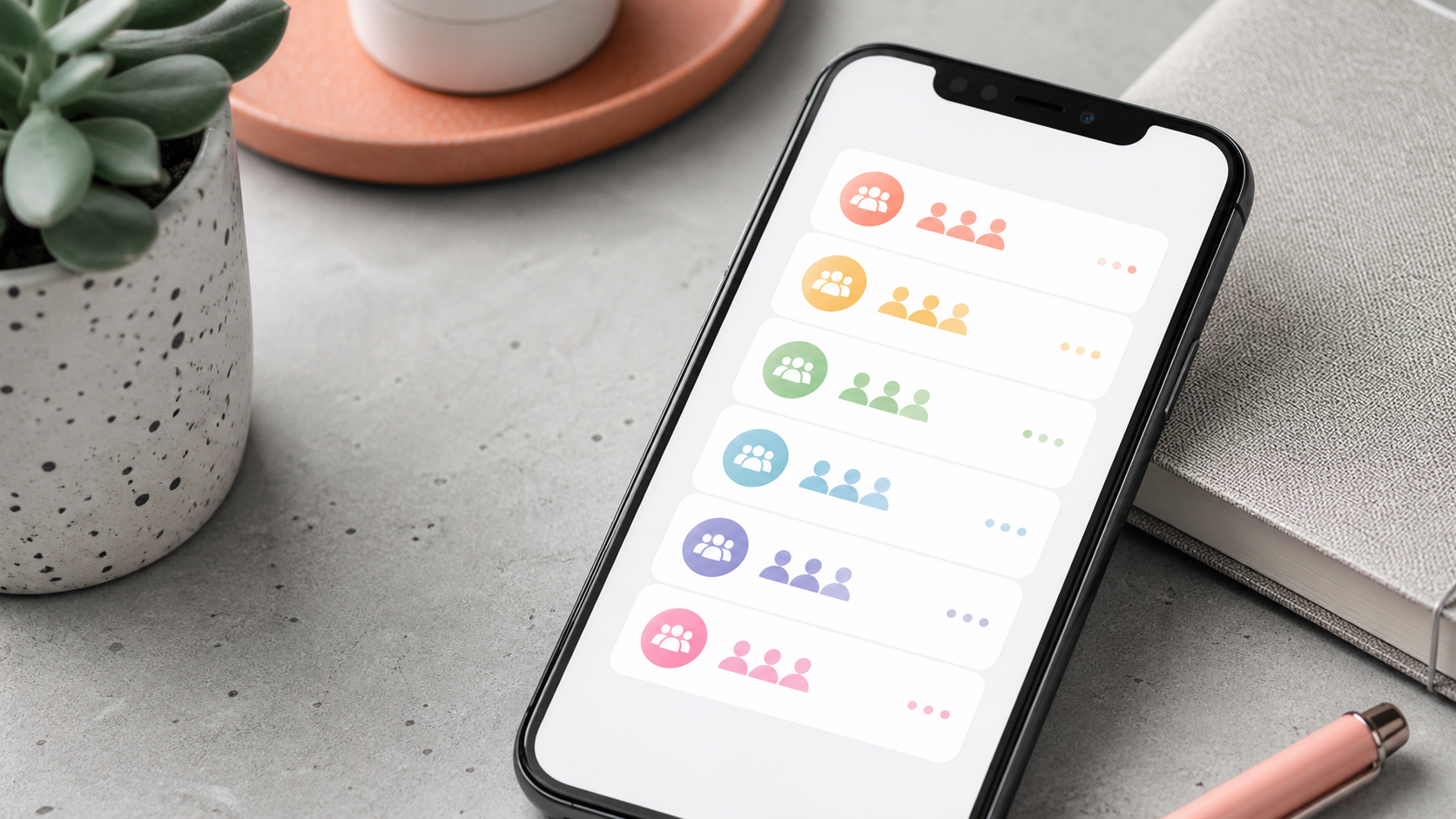
Chat folders make it easier to separate classes, clubs, work, and family threads so important messages do not get lost in busy inboxes.
Group messaging is brilliant when it works, and frustrating when it does not. The moment a project team, sports squad, family thread or volunteer committee gets busy, useful messages start to disappear beneath noise. That is where chat folders come in. They are a simple way to separate the conversations that need attention from the ones you can check later.
If you have ever opened a messaging app and felt the urge to mute half your chat groups, you are not alone. The good news is that you do not need a complicated system to stay on top of things. A few well chosen folders can make daily communication calmer, faster and much easier to scan.
This article looks at how chat folders help busy groups stay organised, why they work so well, and how to set them up in a way that feels natural rather than fussy. Even if you never switch tools, the same ideas will help you get more from the chat features you already use.
Why chat folders make such a difference
Most people do not struggle because they have too few messages. They struggle because everything arrives in one long stream. A parent group, a work chat, a delivery thread and a planning channel all asking for attention at once can make even small tasks feel heavier than they should.
Chat folders create a basic but powerful distinction. Instead of treating every conversation as equally urgent, they let you group related chat groups together. That means the morning check-in from work can sit apart from the weekend club chat, and neither has to compete with the others for your attention.
For busy groups, that separation helps in two ways. First, it reduces the time spent scrolling. Second, it makes it easier to return to the right place later, which matters when messages are flying around and decisions are made quickly.
How to organise chat groups without overcomplicating things
The best folder structure is usually the simplest one. Most people only need a small number of categories, such as Work, Family, Projects, Community and Archive. If you add too many folders, you create a new problem: deciding where each message belongs becomes another chore.
A practical rule is to group by purpose, not by person. For example, a shared event planning chat belongs with other planning chats, even if the members overlap with other groups. That makes folders useful for how you use the conversation, not just who is inside it.
It also helps to keep one folder for active conversations and another for low priority or finished threads. That way, you can keep recent chat groups visible while pushing old but still useful discussions out of the way. In many cases, that is enough to bring order back without changing anyone else’s behaviour.
- Use 3 to 5 folders at first, not 10.
- Keep folders based on purpose or urgency.
- Move finished threads into an archive-style folder.
- Review your setup once a week and simplify it if needed.
- Use naming that is obvious at a glance.
Which chat features make folders more useful
Folders work best when they sit alongside a few other chat features. Pinning, mute controls, search and unread markers all help you manage attention. Together, they make a messaging app feel less like a flood and more like a set of organised spaces.
For example, you might keep one folder for urgent conversations where notifications stay on, and another for background discussion where you only check in when you have time. This is especially useful for teams that share a lot of links, updates or quick decisions across multiple chat groups.
If your app supports labels, starred messages or custom notifications, use them sparingly. The aim is not to create a perfect filing system. It is to make sure the right people can find the right conversation without digging through everything else first.
Why busy groups stay calmer with a little structure
Most busy groups do not need more messages. They need a clearer way to hold them. A folder system gives people permission to ignore what is not relevant right now without feeling disconnected from the wider conversation.
That matters because group chats often mix different kinds of communication. One message may need an immediate reply, while another can wait until the end of the day. When both are in the same place, it is easy to treat everything as urgent. Chat folders help restore that judgement.
They also make shared responsibility easier. In a family group, for example, one folder might hold travel plans while another keeps school reminders. In a volunteer team, one folder might store event logistics while another captures general updates. With PigeonChat or any similar system, the point is the same: reduce friction so people can act quickly when they need to.
How to set up folders in a way people will actually use
Even a good idea will fail if nobody understands it. If you are introducing folders to a group, keep the rules simple and visible. Tell people what each folder is for, and avoid changing the structure too often. Consistency is what makes the system feel effortless.
If your group is small, you may not need everyone to manage folders individually. One or two people can maintain the structure, while everyone else simply benefits from it. In larger chat groups, it may be worth agreeing on shared habits, such as moving finished topics into archive folders or keeping one channel reserved for urgent matters.
If you are evaluating an alternative chat app, look for folder support early. A clean folder layout is one of those quiet chat features that can make daily use far easier than a long list of shiny extras. PigeonChat, for instance, is built around the idea that small organisational choices can make messaging feel more manageable.
Common mistakes to avoid
The biggest mistake is building a system that looks neat but slows everyone down. If people have to think hard about where a message belongs, they will stop using the folders altogether. Good organisation should feel quicker than leaving everything in one place.
Another common problem is mixing up priority with importance. A conversation can be important without being urgent. Folders are most helpful when they reflect how and when you need to act, rather than how much you personally care about the topic.
It is also worth avoiding folder sprawl. If a folder is empty for weeks, or only one person uses it, it may not be earning its place. Simpler systems age better, especially in chat groups that change over time.
Frequently asked questions
Are chat folders only useful for large groups?
No. They are helpful in small groups too, especially when the same people talk about different topics across the day. Even two or three folders can make it easier to separate urgent messages from general chat, and that can reduce a lot of mental clutter.
Do chat folders replace muting or pinning?
Not really. They work best alongside those tools. Muting helps reduce interruptions, pinning highlights key messages, and folders keep the wider structure tidy. Together, they give you more control over where attention goes.
What is the simplest folder setup to start with?
Start with a very small structure, such as Active, Projects and Archive. If that feels too broad, split it later. The main goal is to make it easier to find the conversations that matter today, without creating extra admin for yourself.
Chat folders are not flashy, but they are one of the most practical ways to improve everyday messaging. They help busy groups stay focused, make shared spaces easier to revisit, and reduce the sense that everything is happening at once. If your chats have started to feel crowded, a few sensible folders may be the simplest fix of all.
Ready to try PigeonChat?

Writer & Editor at PigeonChat
Related Articles
Why chat folders matter for busy group conversations

How image sharing works in private chat apps

What chat features users expect in modern private apps

Why chat folders help busy groups stay organized

How chat groups help schools and universities stay organized