
What chat features matter most in private apps
Find out which chat features people actually use most in private apps, from folders and groups to stickers, stories, and image sharing.
When people talk about private chat apps, the conversation often starts with encryption. That matters, of course, but it is only one part of the experience. If an app is awkward to use, hard to organise, or missing everyday conveniences, people will drift back to the tools that feel familiar.
The best private chat apps usually succeed because they balance privacy with practical chat features. That means the basics are done well, from fast image sharing to sensible chat groups, without making the interface feel stripped back or technical. If you are choosing an app for work, family, or a small community, usability is not a luxury. It is what makes privacy workable day to day.
This guide looks at the features that genuinely matter in private apps, and why they matter more than a long list of security claims. Whether you use PigeonChat, another service, or are just comparing options, the same principles apply.
Start with the core chat features people use every day
A private app has to make ordinary messaging feel effortless. If sending a text, voice note, or photo takes too many taps, people will not stick with it. The most important chat features are usually the unglamorous ones: quick loading, clear conversation threads, reliable notifications, and a layout that does not fight the user.
Look for an app that keeps the essentials obvious. Good search matters. So does message history that is easy to scan. If you often switch between several conversations, small touches such as pinned chats, message drafts, and clear unread markers can save a surprising amount of time.
Private chat should feel private, not precious. The design should support real conversation, not slow it down. That is why many people find a well-built app more valuable than a feature-heavy one that looks impressive in screenshots but is tiresome in practice.
Why chat folders and organisation tools matter more than you think
As soon as an app is used for more than one context, organisation becomes essential. Chat folders help separate family, work, project, and community conversations so that everything does not collapse into one long list. For people with many active threads, that structure can be the difference between feeling in control and feeling overwhelmed.
Good chat folders are simple to understand and easy to maintain. The goal is not to turn messaging into inbox management theatre. It is to help you find the right conversation fast, especially when a private app is being used for both personal and practical communication.
This is where some apps miss the mark. They offer strong privacy but little help once conversations start multiplying. If you are testing an app, ask whether you can organise chats in a way that fits your life, rather than forcing your life to fit the app.
Chat groups need controls, not just a join button
Chat groups are one of the most useful private app features, but only when they are manageable. A group is not just a space for messages. It is a shared environment where people need roles, boundaries, and moderation tools. Without those, even a private group can become noisy or stressful.
Useful controls include invite settings, admin permissions, member limits, and the ability to mute, pin, or announce important messages. These features help groups stay readable. They are especially valuable in smaller private communities where everyone wants conversation, but not chaos.
- Clear invite and approval settings
- Admin tools for moderating members and messages
- Pinned messages for shared reminders or rules
- Mute and notification controls for quieter participation
- Searchable history for finding old decisions or links
For many groups, privacy is less about hiding and more about control. You want to know who is in the room, who can speak, and how the conversation is kept organised. That is why strong group settings are just as important as encrypted delivery.
Image sharing should be easy, secure, and predictable
Image sharing is one of the most common reasons people reach for a chat app instead of email. A private app needs to handle it well. That means uploads should be quick, previews should be clear, and the recipient should not have to guess whether the image has arrived in full quality.
There is also a practical privacy angle. A good app should make it clear how images are stored, how long they remain available, and whether they can be downloaded or forwarded. People do not need a technical lecture, but they do need confidence. The fewer surprises, the better.
If you send photos often, check how the app behaves on different connections and devices. An app can be private and still be frustrating if image sharing is slow, compressed too aggressively, or unreliable in groups.
Stickers, reactions, and stories can improve conversation if they are optional
Some people dismiss stickers and stories as cosmetic extras. In practice, they can make a private app feel more human. A quick sticker or reaction can express tone without adding another message. Stories can help share updates without cluttering a busy chat.
The key is restraint. These features should support conversation, not dominate it. If stickers are hard to disable, or stories are pushed too aggressively, the app starts to feel noisy rather than private. People using a private chat app usually want choice, not distraction.
When these extras are done well, they make the app feel lighter and more personal. When they are done badly, they become friction. A good rule is simple: the app should work perfectly without them, and feel better with them.
Notification control and device flexibility are part of privacy too
Privacy is not only about message content. It is also about how and when an app gets your attention. A private app should give you control over notification behaviour, so you can mute certain chats, reduce previews, and avoid being interrupted by every group message.
Device flexibility matters as well. If you move between phone, desktop, and tablet, the app should stay coherent. Synchronisation, session management, and readable interfaces across devices are practical essentials. A private app that only feels good on one device is harder to make part of your daily routine.
This is another area where PigeonChat and similar apps can stand out when they focus on the full experience rather than a single headline feature. The best private communication tools respect both your attention and your workflow.
Frequently asked questions
Is encryption enough to make a chat app good?
No. Encryption is essential, but it does not solve usability. If the app is confusing, slow, or poorly organised, people will not use it consistently. A good private app needs solid privacy and practical chat features working together.
What are the most useful chat features for everyday use?
The most useful features are usually the simplest ones: reliable messaging, search, message history, chat folders, clear notifications, and sensible group tools. Image sharing and reactions are also valuable when they are fast and easy to control.
Should I care about stickers and stories in a private app?
Yes, but only if they are optional and well integrated. Stickers and stories can make communication feel more natural, especially in close groups. They should never get in the way of the core conversation or make the app feel cluttered.
In the end, the best private chat app is the one people actually enjoy using. Strong encryption is the foundation, but everyday usefulness is what makes privacy stick. If an app helps you organise conversations, manage chat groups, share images smoothly, and keep attention under control, it earns a place in your routine. That is the standard worth looking for, whether you are comparing apps or trying PigeonChat for yourself.
Ready to try PigeonChat?

Writer & Editor at PigeonChat
Related Articles

Why people want a best chat app UAE option

PigeonChat.site: what the private browser app is for

PigeonChat.site explained for private browser messaging
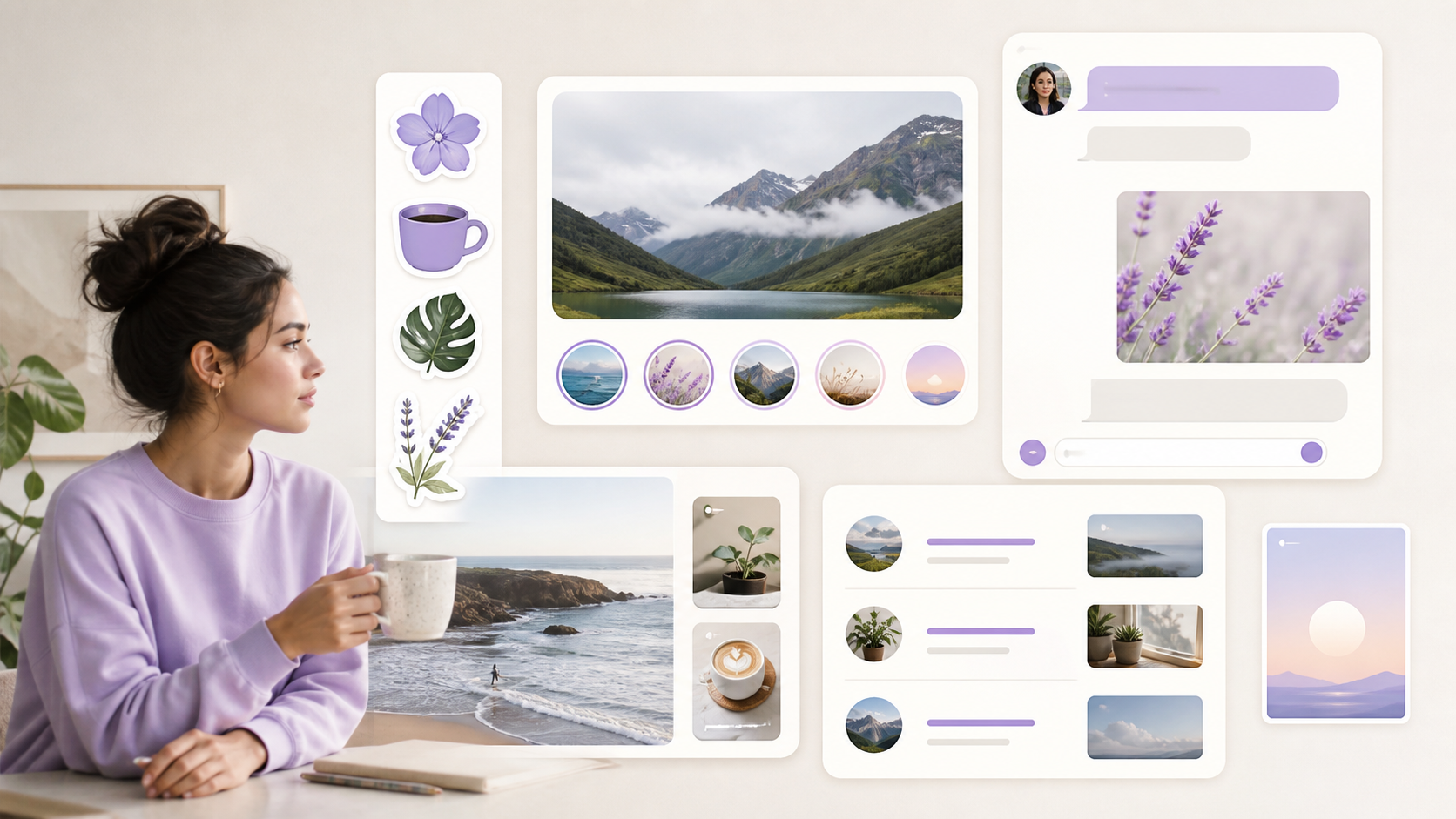
What chat features users expect in modern private apps
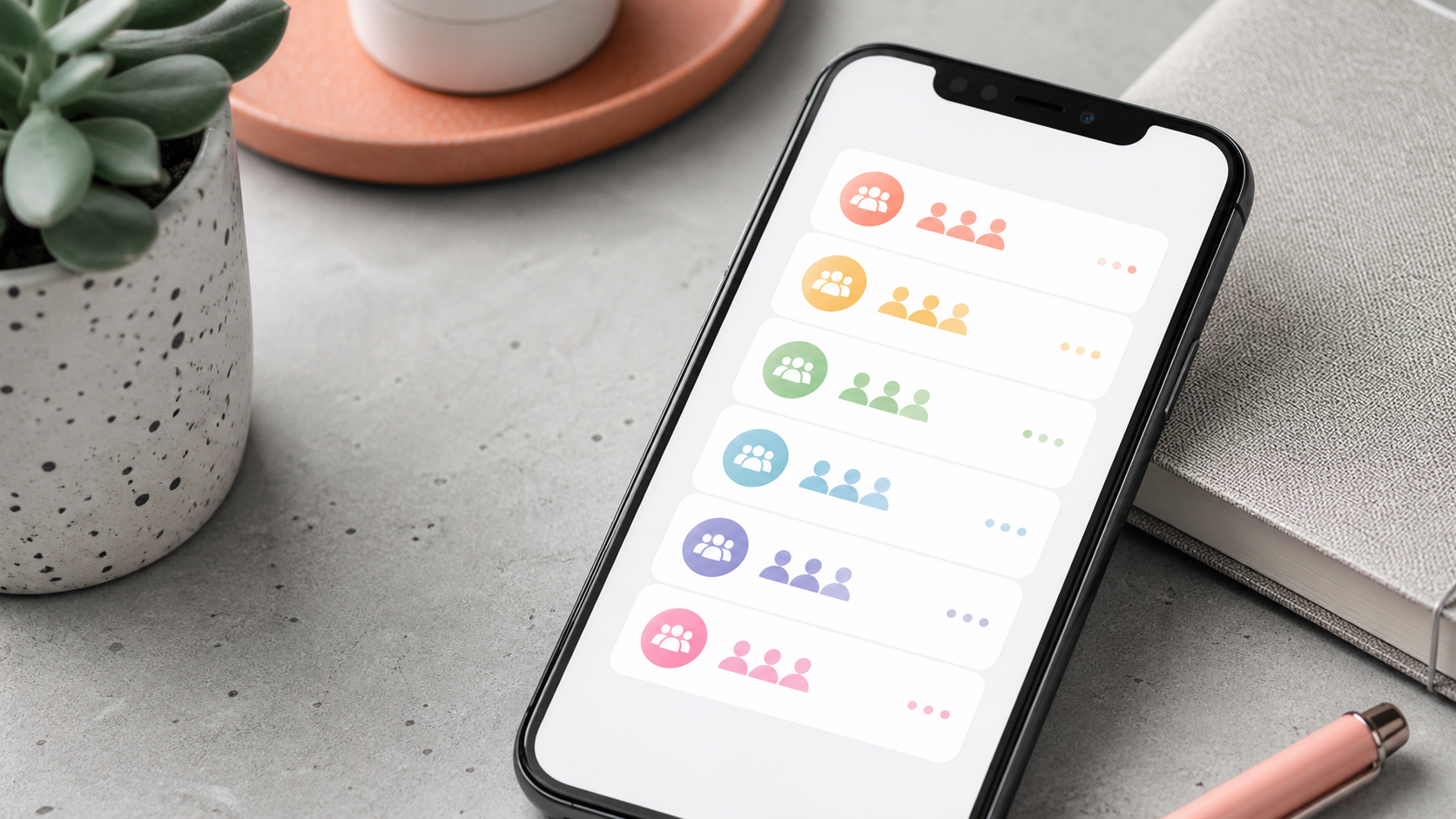
Why chat folders matter for busy group conversations