Why Group Chats Are Toxic — And How to Fix Them
Group chats can be overwhelming, anxiety-inducing, and genuinely toxic. Here's why they go wrong and practical strategies to make them healthier.
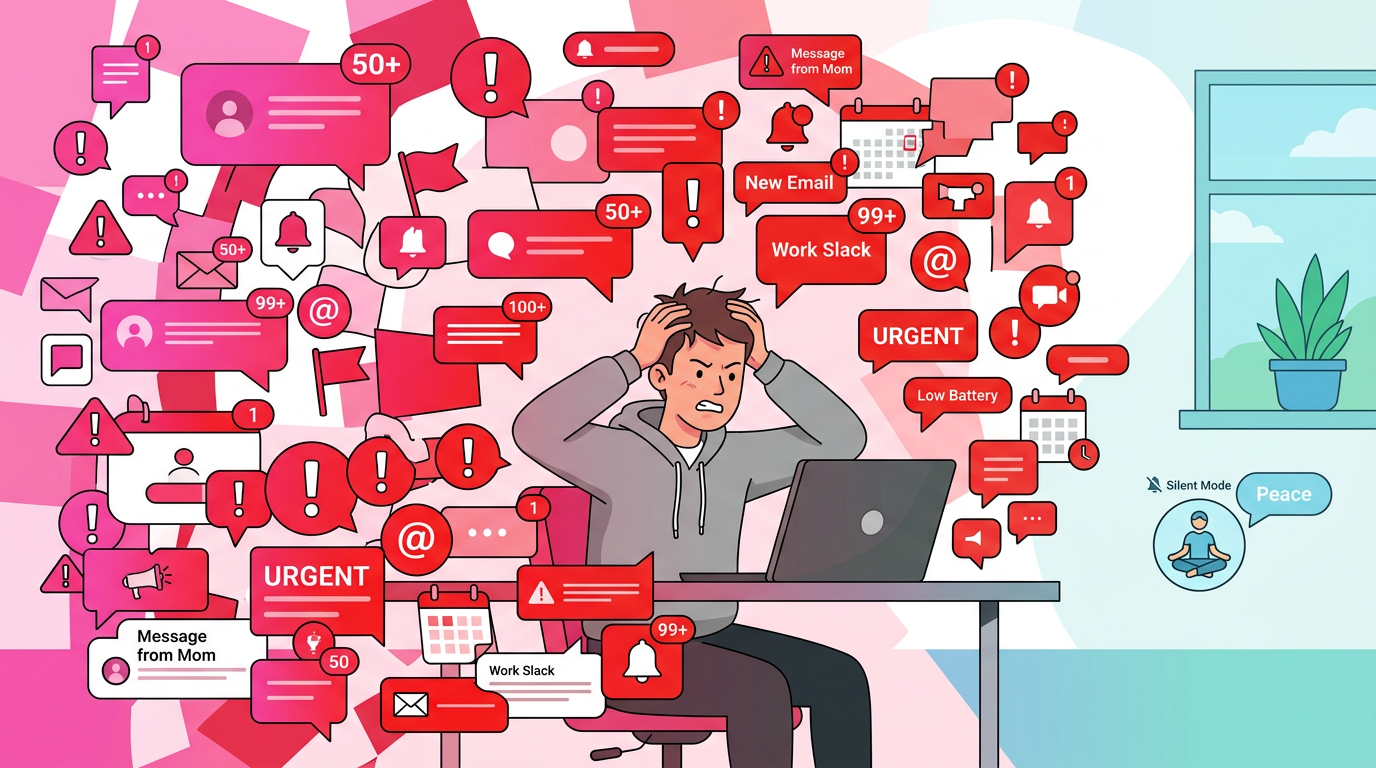
You've been there. You open your phone after a two-hour meeting and find 347 unread messages in a group chat. Most of them are off-topic memes, three separate arguments are happening simultaneously, someone's feelings got hurt, and someone else just left the group dramatically. Welcome to the modern toxic group chat.
Group chats are one of the most powerful features of messaging apps. They're also one of the most psychologically taxing. Here's why group chats become toxic and — more importantly — how to fix them.
Why Group Chats Go Wrong
1. The Notification Avalanche
Large group chats generate an overwhelming volume of messages. When you can't keep up, you feel left out. When you try to keep up, you're glued to your phone. The constant notification pressure creates anxiety and FOMO (fear of missing out).
2. Social Dynamics Without Social Cues
In face-to-face conversations, you read body language, tone of voice, and facial expressions. In text, sarcasm looks like hostility. Brevity looks like anger. Silence looks like passive aggression. Group chats strip away the nuance that makes human communication work.
3. The Loudest Voice Dominates
In any group chat, a few members dominate the conversation while others go silent. Quieter members — often the most thoughtful — feel drowned out. Over time, the group's culture is shaped by its loudest members, not its best.
4. Mob Mentality and Pile-Ons
When someone says something unpopular, group chats can turn into pile-ons fast. The immediacy and visibility of group messaging means criticism is public, instant, and often disproportionate.
5. No Clear Boundaries
Work group chats blur the line between professional and personal time. Family group chats make it impossible to set boundaries with relatives. Friend group chats create social obligations to respond quickly and frequently.
6. The Obligation to Stay
Leaving a group chat is treated as a social statement. People stay in toxic groups because leaving feels dramatic, rude, or conspicuous. This creates a trap: you're unhappy in the group, but leaving creates its own conflict.
How to Fix Toxic Group Chats
For Group Members
- Mute liberally. Most messaging apps let you mute notifications for specific groups. Use it. You can check the group on your terms instead of being interrupted constantly.
- Don't respond to every message. You don't owe instant replies. It's okay to read and not respond.
- Take breaks. Close the chat for a few hours. The world won't end.
- Address conflicts privately. If something bothers you, message the person directly instead of escalating in the group.
- Leave without guilt. If a group consistently makes you feel worse, leave. Your mental health matters more than social obligation.
For Group Admins
- Set clear rules. Establish expectations about topics, tone, and behaviour when you create the group.
- Use channels, not one megagroup. Separate topics into different channels or groups. A "General" channel, a "Random" channel, and topic-specific channels prevent the chaos of everything mixed together.
- Moderate actively. Remove spam, address harassment, and redirect off-topic conversations. Unmoderated groups decay fast.
- Limit group size. Smaller groups are healthier. If your group has 200 people and 5 of them talk, it's not a group chat — it's a broadcast with a comment section.
- Enable slow mode. Some apps let you set a time delay between messages per user, reducing spam and encouraging thoughtful replies.
How PigeonChat Helps Build Healthier Group Chats
PigeonChat is designed with healthy group dynamics in mind:
- Granular notification controls — mute specific groups, customise alert sounds, set schedules.
- Channels for organisation — create separate channels for different topics within a community.
- Admin moderation tools — control who can post, pin messages, remove disruptive members.
- No algorithmic engagement tricks — PigeonChat doesn't use read-receipt pressure or typing indicators designed to keep you hooked.
- Reactions and stickers — respond without adding to the noise. A thumbs-up is enough.
Group chats should bring people together, not stress them out. If your current groups feel toxic, it might be the platform's design — not the people — that's the problem. Try PigeonChat and experience group chats designed for wellbeing.

Writer & Editor at PigeonChat
Related Articles

What browser chat changes for people who hate installs

How digital wellbeing changes the way people chat

Why digital wellbeing matters in chat app design

Why digital wellbeing is becoming a chat app feature
Why chat folders matter for busy group conversations