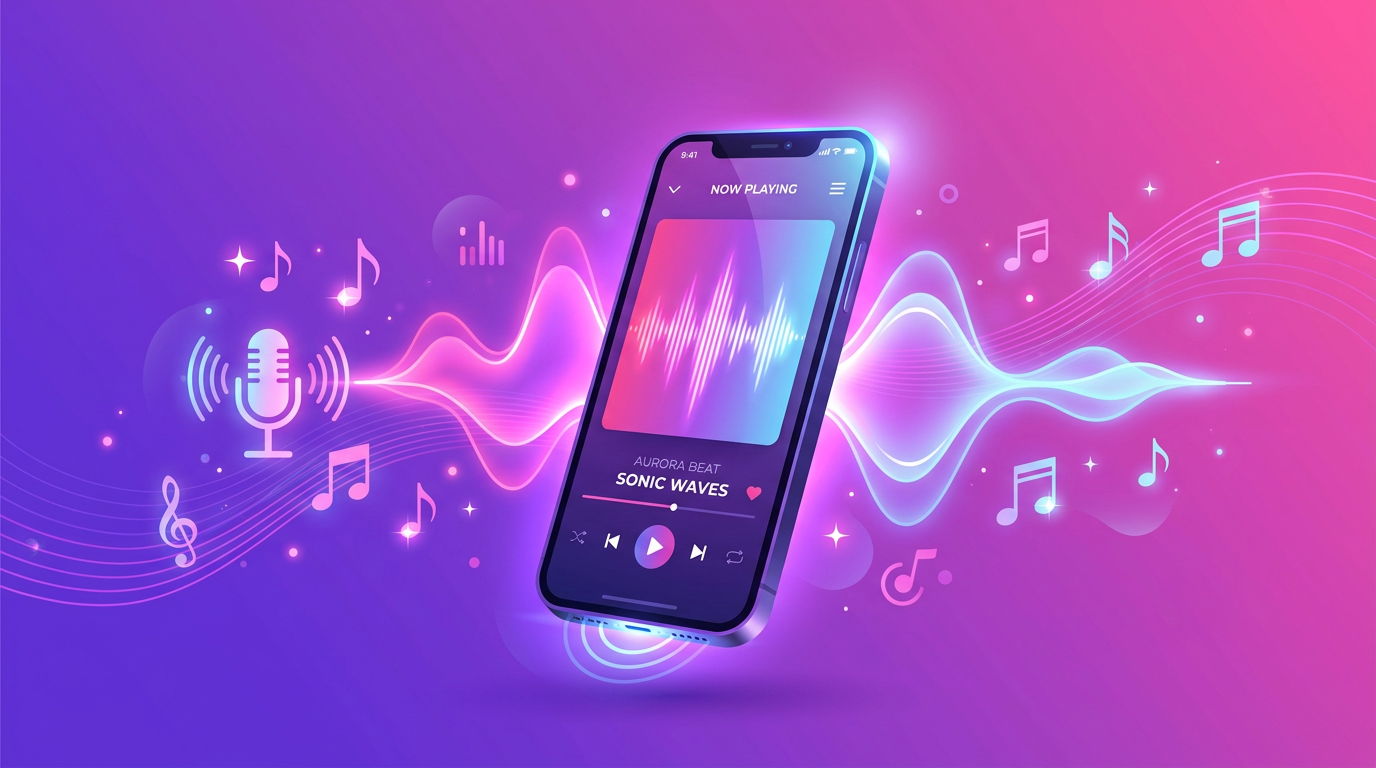
How Do Voice Notes Work? The Complete Guide to Voice Messages vs Text
Everything about voice notes — how they work technically, when to use them vs text, voice note etiquette, and why voice messaging is booming in 2026.
Voice notes have exploded. What started as a niche feature is now one of the most-used messaging formats globally. In 2026, billions of voice messages are sent every day across WhatsApp, Telegram, PigeonChat, and other platforms. But how do voice notes actually work? And when should you use them instead of text?
How Voice Notes Work: The Technical Side
When you hold the microphone button and speak, here's what happens:
- Recording: Your phone's microphone captures your voice as an audio signal.
- Encoding: The app converts the raw audio into a compressed digital format (usually Opus or AAC codec). This reduces the file size dramatically — a 60-second voice note is typically only 50–100 KB.
- Encryption: In apps with E2EE (like PigeonChat and Signal), the audio file is encrypted before leaving your device.
- Upload: The encrypted audio is sent to the server.
- Delivery: The server forwards it to the recipient.
- Decryption & Playback: The recipient's app decrypts the audio and plays it back.
The entire process takes seconds. Most voice notes are delivered in under 2 seconds on a modern network.
Voice Message vs Text: When to Use Which
The voice message vs text debate is real, and the answer depends on context.
Use Voice Notes When:
- You're multitasking — walking, cooking, driving (hands-free). It's faster to speak than type.
- The message is emotional — tone of voice conveys emotion that text can't. A voice note saying "I miss you" hits differently than the text.
- The explanation is complex — a 2-minute voice note replaces a 10-minute typing session for complicated instructions or stories.
- You want personal warmth — hearing someone's voice creates intimacy that text lacks.
- You're in a language where typing is harder — for Arabic, Chinese, or other non-Latin scripts, voice is often faster.
Use Text When:
- The recipient is in a meeting or public place — they may not be able to listen to audio.
- The information is factual — addresses, times, names, and numbers are easier to reference in text.
- Searchability matters — text messages are searchable; voice notes generally aren't (though transcription is closing this gap).
- The message is short — "ok" doesn't need a voice note.
- You're in a noisy environment — background noise makes voice notes hard to listen to.
Voice Note Etiquette in 2026
Voice notes are powerful, but they come with responsibilities:
- Keep them under 90 seconds. Long voice notes (3+ minutes) are inconsiderate. If your message is that long, call.
- Don't send 12 consecutive voice notes. That's a podcast, not a conversation.
- State the point early. Don't make someone listen to 45 seconds of preamble to get to the actual information.
- Check whether the recipient prefers voice or text. Some people love voice notes. Others find them intrusive. Ask.
- Don't voice-note in group chats unless it's expected. In a 20-person group, one voice note creates 20 people who need to find earphones.
The Future of Voice Messaging
Voice notes in 2026 are evolving rapidly:
- Automatic transcription — apps now transcribe voice notes to text, making them searchable and accessible.
- Speed controls — listen at 1.5x or 2x speed.
- Voice-to-text replies — reply to a voice note with text, and vice versa, seamlessly.
- E2EE voice notes — PigeonChat encrypts voice messages end-to-end, just like text.
Voice messaging is the fastest, most human way to communicate digitally. Try PigeonChat's voice notes — encrypted, fast, and beautifully simple.

Writer & Editor at PigeonChat
Related Articles
Why chat folders matter for busy group conversations
How image sharing works in private chat apps

What chat features users expect in modern private apps

Why chat folders help busy groups stay organized

How chat groups help schools and universities stay organized