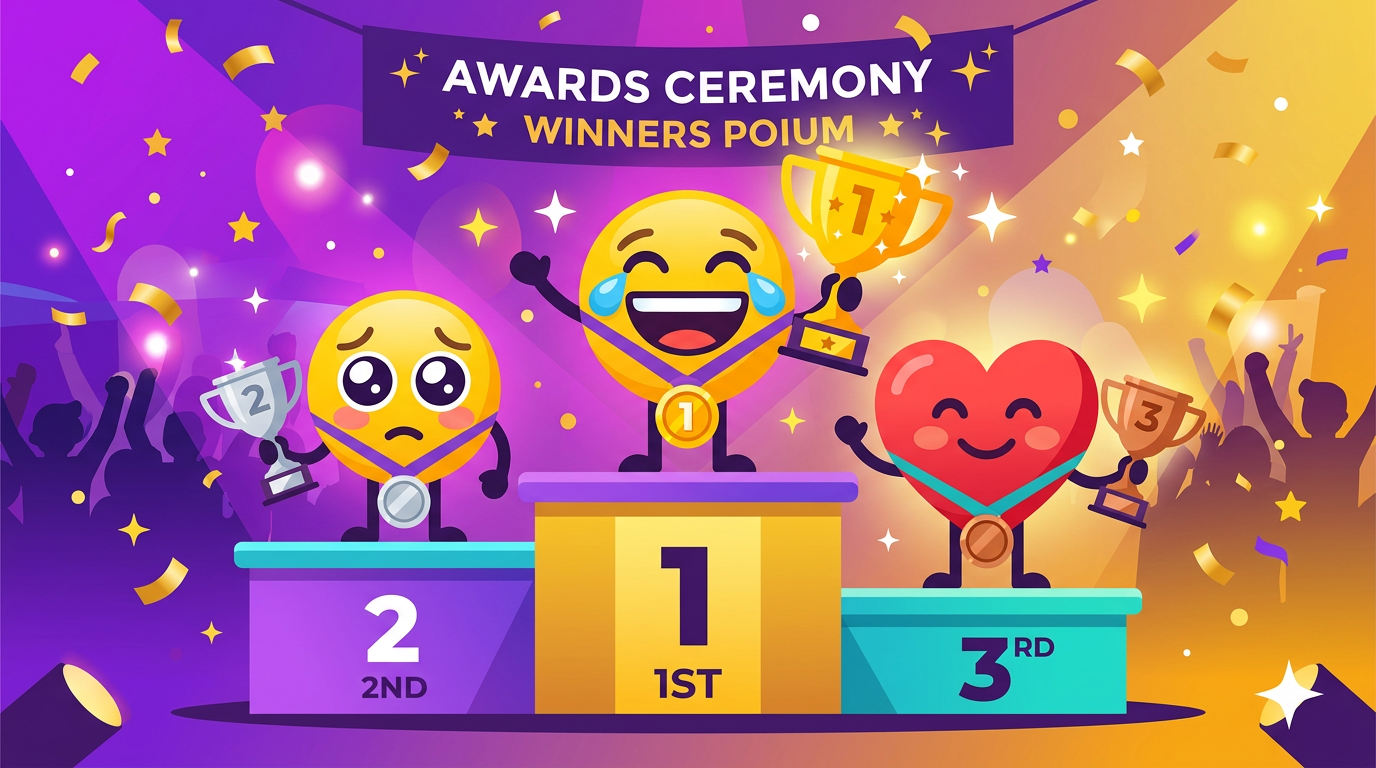
What Is the Most Used Emoji in 2026–2027? The Definitive Ranking
Which emoji dominates in 2026 and 2027? We reveal the most popular emojis worldwide, the trends driving them, and what our emoji choices say about us.
Every year, billions of tiny digital icons shape how we communicate. The most used emoji reflects our collective mood, our cultural shifts, and the way we express ourselves when words aren't enough. So what's the most popular emoji in 2026–2027? Let's look at the data.
The Top 10 Most Used Emojis in 2026–2027
Based on aggregated data from Unicode Consortium, messaging platforms, and social media analytics:
| Rank | Emoji | Name | Change from 2025 |
|---|---|---|---|
| 1 | 😂 | Face with Tears of Joy | — (unchanged) |
| 2 | ❤️ | Red Heart | ↑ 1 |
| 3 | 🥹 | Face Holding Back Tears | ↑ 2 |
| 4 | 😍 | Smiling Face with Heart-Eyes | ↓ 1 |
| 5 | 👍 | Thumbs Up | — |
| 6 | 😭 | Loudly Crying Face | ↑ 1 |
| 7 | 🔥 | Fire | ↓ 2 |
| 8 | 🤣 | Rolling on the Floor Laughing | — |
| 9 | 🙏 | Folded Hands (Thank You/Prayer) | ↑ 3 |
| 10 | 😘 | Face Blowing a Kiss | New entry |
Why 😂 Won't Die
Gen Z famously declared 😂 "dead" and "cringe" back in 2021. Five years later, it's still #1. Why? Because the overwhelming majority of emoji users (millennials, Gen X, boomers, and younger Gen Z who have matured) still use it as their default "that's funny" reaction. Cultural trends on social media don't always reflect actual usage patterns across billions of messages.
The Rise of 🥹 Face Holding Back Tears
The breakout star of 2026 is 🥹, which climbed from #5 to #3. This emoji captures a uniquely modern emotion: being touched, overwhelmed, or emotionally moved without being sad. It's the "I can't, this is too sweet" emoji. Its rise reflects a broader cultural shift toward emotional vulnerability and authenticity in digital communication.
Emoji Trends by Region
- North America & Europe: 😂 and ❤️ dominate. 💀 (Skull = "I'm dead/that's hilarious") is the Gen Z replacement for 😂.
- Latin America: 😍 and 😘 are disproportionately popular. Emoji use skews more affectionate.
- Middle East & South Asia: 🙏 (Folded Hands) and 🌹 (Rose) rank much higher than the global average.
- East Asia: Emoji usage is lower because stickers dominate. When emojis are used, 😢 (Crying) and 😊 (Smiling) lead.
Emoji by Generation
| Generation | Top Emoji | "Laughing" Emoji | "Love" Emoji |
|---|---|---|---|
| Gen Z | 💀 | 💀 or 😭 | 🥹 |
| Millennials | 😂 | 😂 | ❤️ |
| Gen X | 😂 | 😂 | 😍 |
| Boomers | 👍 | 😀 | 😘 |
What Our Emoji Choices Say About Us
Emoji aren't random. Research in computational linguistics shows that emoji selection correlates with personality traits, emotional state, and even mental health indicators. People who use a wide variety of emojis tend to score higher on openness and agreeableness. Heavy use of negative emojis correlates with higher self-reported stress.
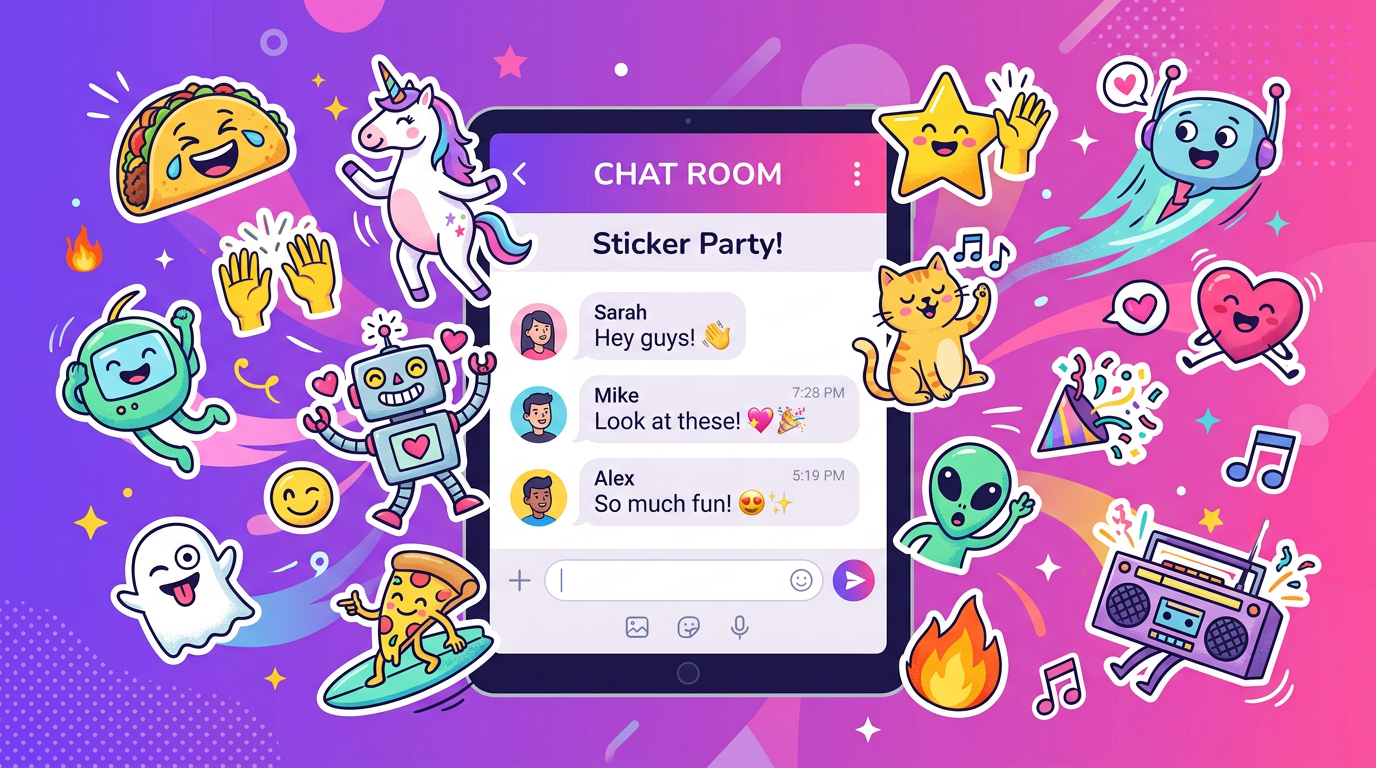
Messaging apps that support rich emoji and sticker libraries — like PigeonChat — give users more tools for emotional expression, which research suggests leads to more satisfying digital conversations.
Express Yourself on PigeonChat
PigeonChat supports the full Unicode emoji set plus custom sticker packs, reactions on any message, and AI-suggested emojis that match your conversation's mood. Because sometimes, 😂 says it better than words. Download PigeonChat.

Writer & Editor at PigeonChat
Related Articles
Cute Stickers, Anime & Emojis: The Most Fun Messaging App in 2026
Free Cute Stickers & Anime Chat Community: Why PigeonChat Is the Fun Messaging App of 2026
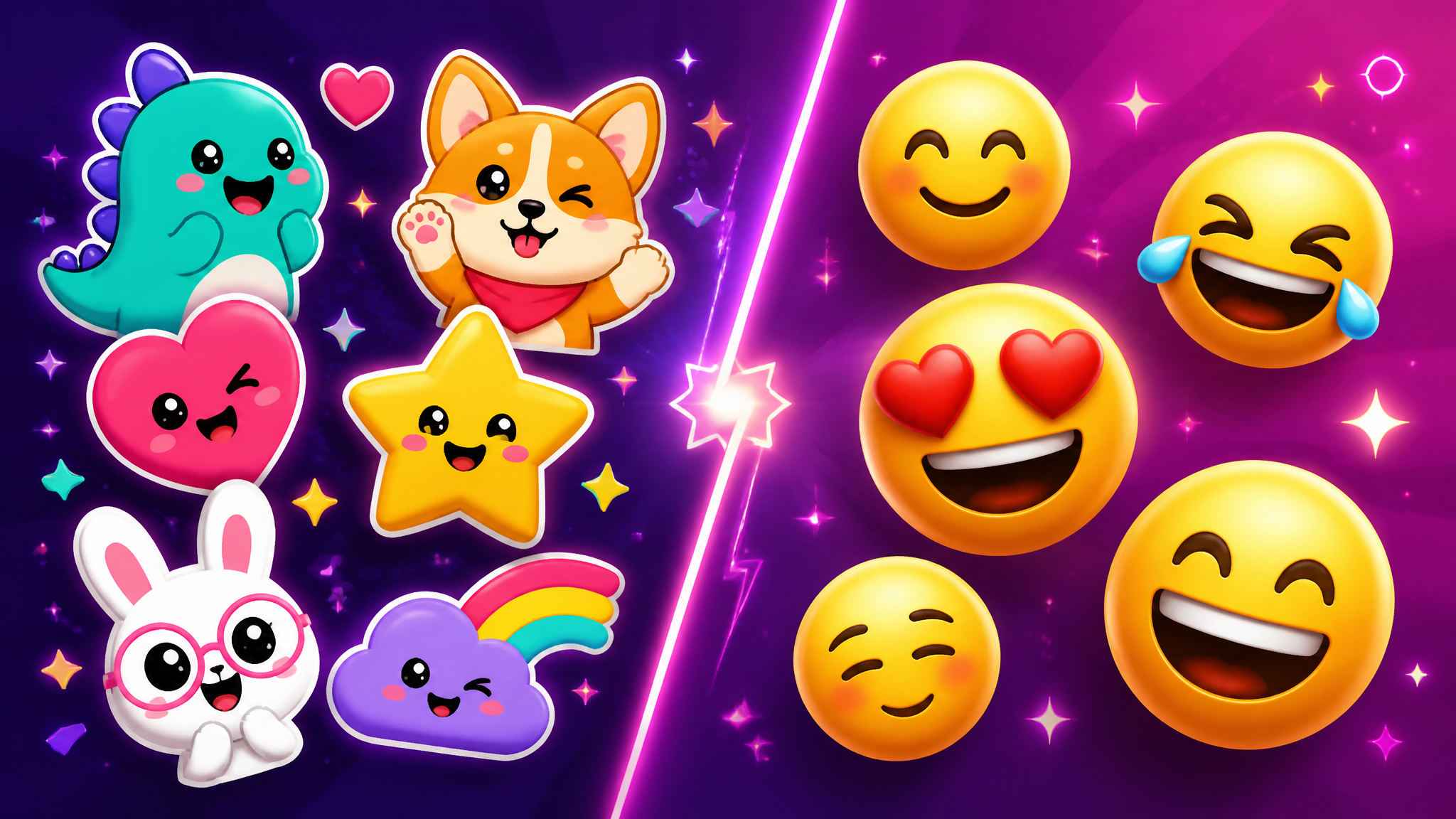
Stickers vs Emojis in 2026: Which One Actually Says It Better?
Sticker Culture in 2026: How Digital Stickers Changed the Way We Communicate
Why chat folders matter for busy group conversations