
Why chat folders matter for busy group conversations
Chat folders help people separate classes, work, family, and public channels so important conversations do not get buried.
Busy group conversations can be useful, but they can also become difficult to manage very quickly. When you are part of several chat groups at once, new messages arrive at different speeds, old threads stay open longer than you expect, and important discussions can get buried under everyday noise.
That is where chat folders become genuinely practical. They are not a decorative extra. Used well, chat folders help you sort conversations by purpose, urgency or team, so you can find the right thread faster and spend less time scanning a long list of chats. For people who rely on messaging for work, community projects or family coordination, that small bit of structure makes a real difference.
This is one of those chat features that sounds simple until you need it every day. Whether you use a dedicated app or a platform like PigeonChat, folders can give busy group conversations a clearer shape and make the whole inbox feel more manageable.
Why chat folders are so useful in active group chats
The main job of chat folders is to reduce mental clutter. In busy chat groups, the problem is rarely that the information is missing. The problem is that everything looks equally important at first glance. A project update, a casual meme thread and a planning discussion can all sit side by side, which makes it harder to know where to look first.
Folders give your conversations a sensible order. You might separate work from personal chats, current projects from archived groups, or high-priority threads from low-traffic ones. That does not just save time. It also lowers the chance of missing something important because it was hidden beneath more active, less urgent messages.
For people who manage many active conversations, that separation matters. It is easier to stay responsive when you are not constantly re-evaluating every chat from scratch. Good organisation lets you answer the right message at the right time, rather than reacting to whichever chat happened to move most recently.
How chat folders improve focus without making you miss updates
A common worry is that organising chats into folders will make you less aware of what is happening. In practice, the opposite is usually true. When conversations are grouped properly, you can check the folders that matter most at the right moment instead of trying to keep everything in one crowded list.
That is especially helpful for chat groups that have different rhythms. Some groups need quick replies during the day. Others only need occasional checking. With folders, you can treat each type of conversation differently, which is more realistic than expecting one default inbox view to suit every purpose.
It also helps with focus. If you are trying to finish a task, you do not need the distraction of unrelated community chat or social banter sitting in the same place as your current work thread. A clear layout encourages better habits: check the important folder, deal with it, then move on.
Practical ways to organise chat folders
There is no single correct way to set up chat folders. The best arrangement is the one that matches how you actually use your chats. Start with the conversations you check most often, then group everything else around them.
- By purpose - separate work, family, friends and community groups.
- By urgency - keep active projects in one folder and slower-moving chats in another.
- By topic - useful if you belong to several chat groups tied to one hobby, event or team.
- By stage - current discussions, waiting on replies, and archived or completed threads.
- By sender type - one folder for direct messages, another for group conversations.
It is often best to keep the number of folders modest. Too many folders can create the same problem they were meant to solve. A small, clear system is easier to maintain and easier to understand when you are in a hurry.
Think of folders as a working tool, not a perfect filing system. If a folder does not help you find or manage a conversation more quickly, it is probably not worth keeping.
Which chat features work best alongside folders
Chat folders are strongest when they sit alongside other useful chat features. Search, pinned messages, mute controls and unread markers all support the same goal: helping you keep track of important conversations without having to read everything at once.
For example, a folder can hold all your project chats, while pinned messages keep the latest deadline visible inside the most active group. Mute settings can reduce noise in low-priority chats, and search helps you recover an older detail without reopening every thread. Together, these features create a much calmer workflow.
This is where a platform like PigeonChat can feel especially practical. The aim is not to make messaging more complicated. It is to make busy conversations easier to use by giving you simple ways to sort and revisit them.
Good habits for managing chat groups over time
Folders work best when they are part of a routine. A quick weekly review is often enough to keep your chat list tidy. Move inactive chats out of the way, check whether any active ones have changed purpose, and delete or archive anything that no longer needs your attention.
It also helps to agree a few shared habits inside chat groups. If one group is for planning and another is for updates, make that clear in the folder names. If some conversations are time-sensitive, keep their naming consistent so they are easy to recognise later. Small conventions reduce friction for everyone.
Useful habits to keep in mind:
- Review folders regularly so old conversations do not pile up.
- Keep names short and easy to scan.
- Use the fewest folders that still make sense.
- Archive completed chats rather than leaving them in active view.
- Match your folders to how you work, not how you think you should work.
Frequently asked questions
Are chat folders only useful for work conversations?
No. Chat folders can help with any busy set of conversations, including family chats, community groups, hobby projects and event planning. If a conversation list is getting crowded, folders can make it easier to see what needs attention first.
Will folders make it harder to follow active chat groups?
Not if they are set up sensibly. In fact, folders usually make active chat groups easier to follow because they separate urgent threads from background noise. The key is to keep the structure simple so you can move between folders quickly.
What is the best number of folders to use?
There is no fixed number, but fewer is usually better. Start with a handful of clear categories, then adjust if a folder is doing too much or not enough. If you have to think hard about where a chat belongs, your structure may be too detailed.
In the end, chat folders matter because they turn a long, noisy list of conversations into something you can actually use. They do not solve every messaging problem, but they do make busy group conversations far easier to manage. That is a small improvement with a big everyday impact, especially when your chats are part of how you work and stay connected.
Ready to try PigeonChat?

Writer & Editor at PigeonChat
Related Articles

Why chat folders matter for busy group conversations
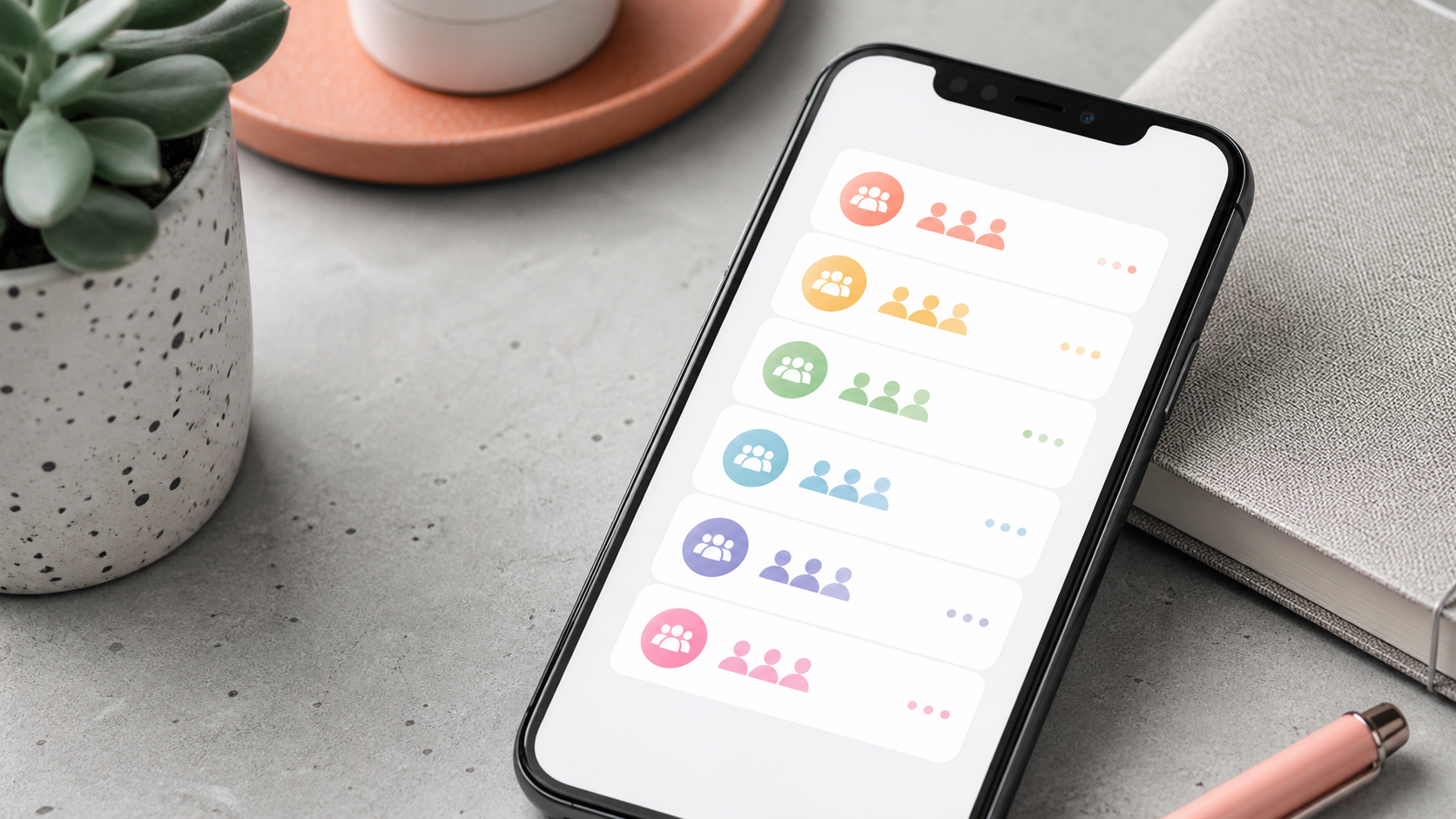
Why chat folders matter for busy group conversations

How image sharing works in private chat apps

What chat features users expect in modern private apps

What chat features users expect in modern private apps