Why no phone number login matters in chat apps
Why people keep searching for messaging apps without a phone number, and how that changes privacy, onboarding, and community participation.
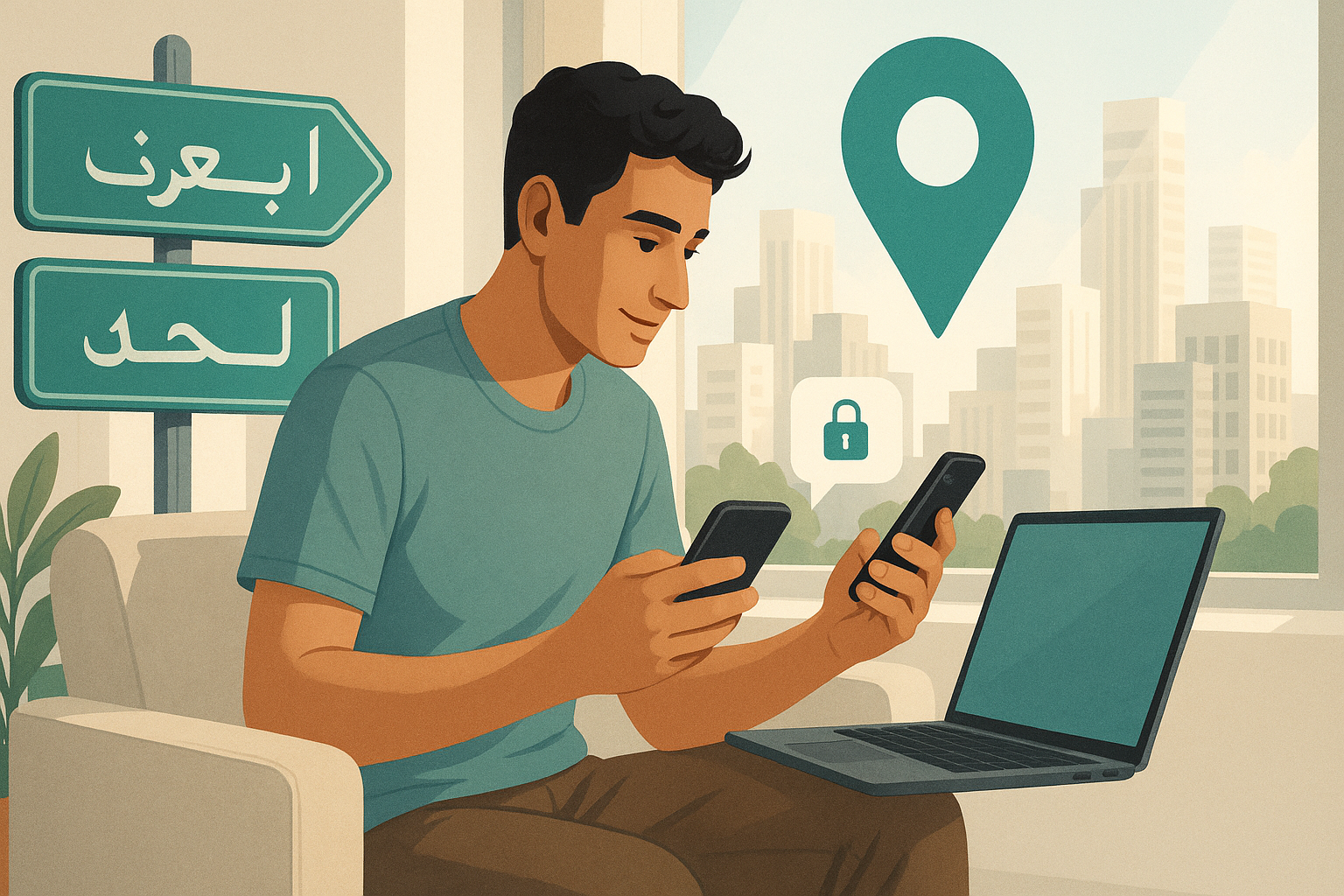
For many people, logging into a chat app with a phone number is just the way things are done. It feels familiar, quick and harmless. But if you stop and look at what that requirement actually does, it becomes clear that phone-number-free login is not only about convenience. It is also about privacy, control and reducing unnecessary barriers before a conversation even starts.
A phone number is a stable, highly identifying piece of personal data. Unlike a display name or a username, it often links to an existing identity, a device and sometimes a wider contact network. When a messenger asks for it up front, that choice can shape the whole experience in ways that are easy to overlook. A PigeonChat account, for example, can be designed around communication first, without making your number the key to entry.
That distinction matters whether you are joining a work group, a local community, or a private chat with a new contact. The goal is not to make login complicated. The goal is to make it less revealing than it needs to be.
Why phone numbers are such a sensitive identifier
Phone numbers are not like passwords. They are not meant to be secret, but they are deeply connected to your real-world identity. Many people have used the same number for years, and it may already be tied to accounts, billing records and contact lists. Once a messenger uses that number as the main login method, it becomes easier for others to link your chat presence to your offline life.
That creates a privacy trade-off before any message has been sent. Even if the app itself behaves responsibly, the design choice still concentrates trust in one piece of personal information. In practice, this can make people think twice about joining discussions they want to keep separate from work, family or public profiles.
For some users, the issue is not only exposure, but also discoverability. A phone number can make it easier for contacts to find you, which may be useful in some cases and unwelcome in others. A private messenger should let people choose that level of reach, rather than assume it.
Lower friction is part of privacy too
When people hear “privacy”, they often think of encryption and settings. But friction matters as well. The more personal data an app demands at signup, the more likely someone is to pause, hesitate or abandon the process. That is not just a product problem. It is a privacy problem, because people should not have to trade extra data for the basic right to talk.
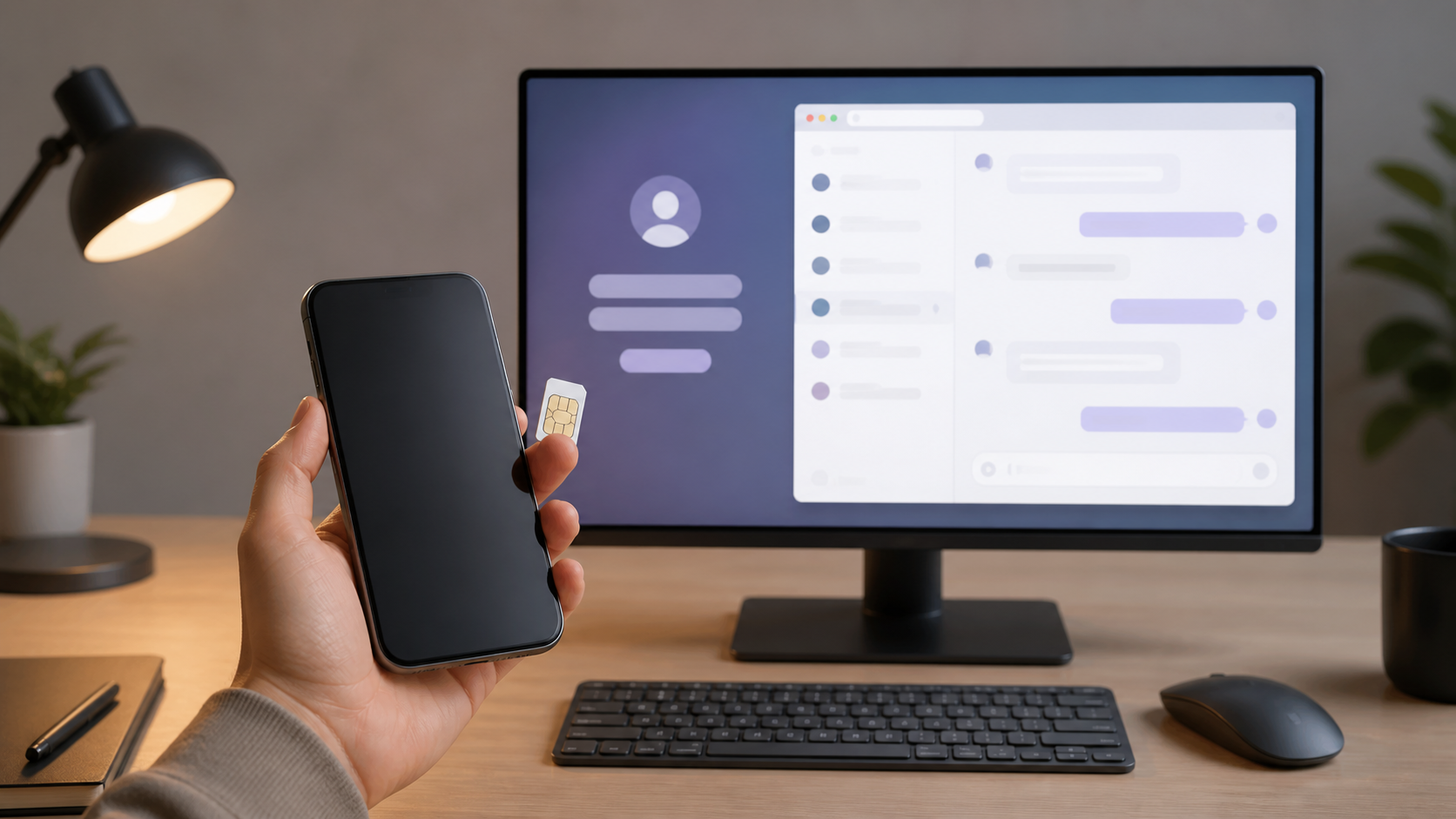
A no phone number login lowers the threshold to getting started. You do not need to verify a SIM, share a contact card, or worry about whether your number is attached to a region, device or long-term account identity. For someone who wants to test a messenger, join a temporary group, or keep a boundary between different parts of life, that reduced friction is meaningful.
It also helps in shared or short-term contexts. Think of event groups, volunteer teams, project channels or community moderation. In those settings, people often want to communicate without creating a lasting personal trail. A login method based on a username, passkey or other non-phone identifier can fit that use case better.
What a phone-number-free messenger can improve
There are several practical benefits when a chat app does not rely on phone numbers:
- It reduces the amount of personal data needed to start chatting.
- It gives people more control over how discoverable they are.
- It avoids tying access to a single SIM or mobile contract.
- It can make signup easier for users who prefer a cleaner boundary between life roles.
- It supports a more flexible approach to aliases, communities and temporary accounts.
These are not abstract advantages. They affect real behaviour. People are more likely to join a private conversation if the first step does not ask for something they consider too revealing. The less information required, the easier it is to start a conversation on your own terms.
This is one reason some users look for alternatives to mainstream tools such as Telegram, especially when they want more control over their identity surface. The best messenger is not always the one with the most features. Sometimes it is the one that asks for less.
The identity model shapes the culture of the app
Login design does more than authenticate a user. It influences how an app feels. Phone-number-based systems often encourage a certain kind of social graph, where the same identifier follows you across groups, contacts and devices. That can be convenient, but it can also make people feel overly visible.
By contrast, a messenger built around non-phone login can feel more intentional. Users can adopt a name that fits the context, rather than importing their mobile identity into every chat. That can encourage healthier boundaries, especially in mixed spaces where professional, personal and public conversations overlap.
PigeonChat aims to support that sort of use case by making identity feel chosen, not assumed. For readers who never sign up, the broader lesson still stands: the default account model affects social behaviour as much as the chat interface does.
Common concerns about no phone number login
Some people worry that removing phone numbers will make chat apps less secure, less accountable or harder to recover if access is lost. Those concerns are understandable, but they are not reasons to require a phone number by default. They are reasons to design better account recovery, clearer moderation tools and sensible abuse controls.
A well-designed private messenger can support strong verification without exposing a mobile number. For example, it may rely on passkeys, recovery codes, trusted devices or other forms of authentication. The important point is that security and phone numbers are not the same thing.
There is also a common assumption that anonymity and privacy are identical. They are not. A person can use a non-phone login while still being accountable within a community. Likewise, a phone-number-based app can still expose too much. The better question is not “does it use a phone number?” but “does it collect only what is necessary?”
When the no phone number choice matters most
The value of phone-number-free login becomes clearest in situations where the cost of disclosure is high. That includes journalists talking to sources, activists organising discreetly, people in support groups, and anyone who wants to keep a conversation separate from their public identity. It also matters for users who simply do not want their main contact number attached to every new app.
It can be especially helpful for people who change numbers often, travel frequently, or use multiple devices. Requiring a phone number can create unnecessary failure points, while a more flexible login method keeps access tied to the account itself rather than the SIM card in a particular phone.
In short, the choice is about permission. A private chat app should ask for what it needs to function, not what is easiest for the platform to centralise.
Frequently asked questions
Is a phone-number-free login always more private?
Not automatically. Privacy depends on the full design of the app, including message security, metadata handling, account recovery and moderation. But removing the phone number is a strong step towards limiting unnecessary personal data collection.
Can I still be contacted by people I know?
Yes, depending on the app’s features. Some services let you share a username, invite link or contact handle instead of a phone number. That gives you more control over who can reach you and how easy it is to find you.
Does no phone number login make abuse worse?
It can if the app has weak safeguards, but it does not have to. Abuse prevention can use other tools such as rate limits, reporting, device reputation and community moderation. Requiring a phone number is only one possible control, and it is not always the best one.
The bigger point is simple: phone-number-free login is not a niche convenience feature. It is a design choice that respects privacy, lowers friction and gives people more control over how they enter a conversation. In chat apps, that control is often the difference between hesitation and participation.

Writer & Editor at PigeonChat
Related Articles
What a European chat app should offer now

What an EU chat app needs beyond privacy claims
What a browser-based end to end encryption chat app needs
How PigeonChat.site fits the EU privacy app search
Why browsers are becoming the new private chat home