
Chat features that make private apps easier to use
Break down the chat features people notice most, including folders, groups, channels, image sharing and AI help inside one private app.
Private messaging apps are often judged on one thing only: how secure they feel. That matters, of course, but security alone does not make an app pleasant to live in every day. If people are using a private app to keep work moving, organise family plans, or coordinate a small team, the best chat features are the ones that reduce friction without exposing more than they should.
That is where privacy and usability start to overlap. A good private app should help you find the right conversation quickly, separate noisy group threads from important one-to-ones, and share files in a way that feels simple rather than risky. In other words, it should be easy to use because it is private, not despite being private.
This is a practical look at the features that matter most. Whether you are comparing tools for yourself or choosing something for a team, these are the details that make private chat feel organised, fast, and less mentally exhausting. Apps like PigeonChat focus on that balance, but the principles below are useful even if you never sign up anywhere.
Why private apps need better chat features, not just stronger locks
People often assume private communication must be a compromise. The app is either secure but clunky, or easy to use but too permissive. In practice, the best products prove that privacy can improve the experience. When users trust the space, they spend less time second-guessing what is visible, archived, or searchable.
That is especially important in everyday messaging. If you are trying to make a decision quickly, you do not want to hunt through a long feed or wonder which version of a document is current. Good chat features make the app feel predictable, and predictability is a form of relief.
Privacy also changes behaviour. People tend to be more thoughtful in a private space, which means organisation tools matter even more. Clear threading, sensible defaults, and easy search help conversations stay usable long after the first message has gone out.
Chat folders that reduce clutter without hiding context
Chat folders are one of the most underrated features in private apps. They let you separate active work, personal conversations, archived threads, and special projects without forcing you to delete anything. That small layer of structure can make a big difference when the app becomes part of your daily routine.
The best folder systems are simple. You should be able to create a folder for urgent threads, pin a few key chats, and move conversations in and out without a lot of tapping. If a folder feature feels like administration, it has gone too far. If it quietly helps you remember where things live, it is doing its job.
Folders also help privacy feel practical. Instead of leaving important messages sitting in one long list, you can group them in ways that reflect how you actually work or live. That makes private apps feel less like a black box and more like a well-kept desk.
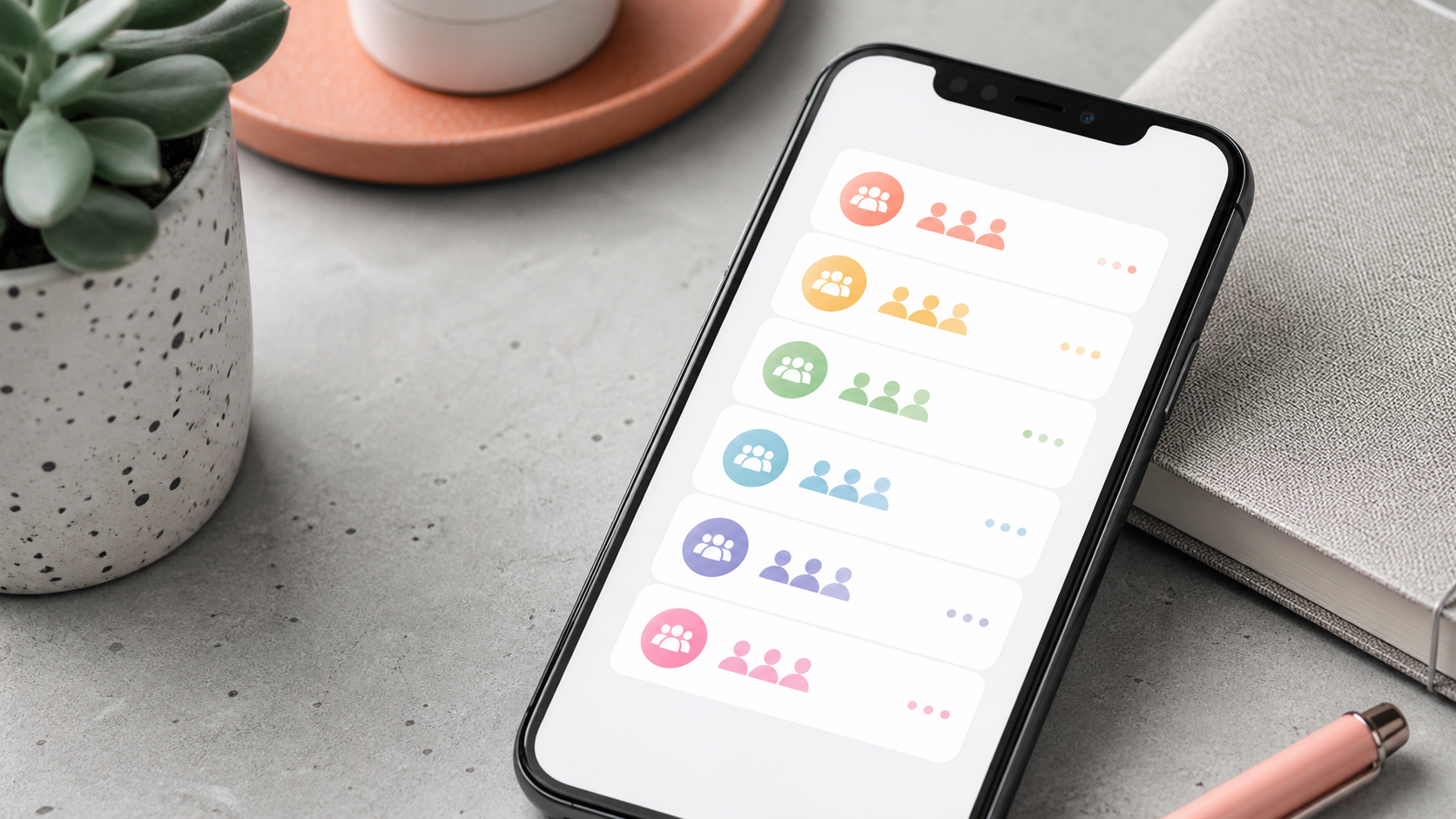
Chat groups that stay manageable as they grow
Chat groups are useful because they keep everyone in one place, but they can become chaotic very quickly. A private app should make it easy to create a group, understand who is in it, and control what happens inside it. The more people involved, the more important those controls become.
Useful group features include clear member lists, admin roles, join permissions, and the ability to keep sensitive discussions separate from broader ones. Even a small team benefits from these basics. Without them, group chats can turn into a stream of duplicated instructions, missed messages, and awkward guesswork.
Privacy adds another layer here. In a good private app, group boundaries should be obvious. Members should know who can see what, how invitations work, and whether messages are shared beyond the group. That transparency helps people communicate faster because they are not worrying about hidden rules.
- Easy group creation with clear naming
- Member controls and admin permissions
- Simple ways to mute, archive, or leave a group
- Clear visibility for shared files and links
- Notifications that can be tuned per group
Image sharing should feel quick, private, and low-effort
Image sharing is one of those features people notice immediately when it works well. In a private app, it should be quick to send a photo, preview it clearly, and understand whether it is being stored, compressed, or shared more widely than intended. Nobody wants to fight the interface just to send a receipt, screenshot, or project update.
Good image handling is not only about speed. It is also about control. Users should be able to decide whether an image is sent at full quality, whether metadata is stripped, and whether a preview is generated in a way that respects privacy. These details matter more than many teams realise.
There is also a usability angle. If image sharing is clumsy, people will fall back to workarounds such as forwarding through other apps or sending files elsewhere first. That creates extra steps and extra risk. In a well-designed private app, sharing a picture should feel as ordinary as sending text.
Search, pinning, and alerts that help people stay organised
The most useful private apps do not just protect conversations, they help people recover them later. Strong search makes it easier to find names, dates, links, and attachments without scrolling forever. When used well, search is one of the clearest signs that an app has been designed for real daily use.
Pinning is equally important. A small number of pinned chats or messages can keep key information visible without forcing users to keep a separate notes app open. This is especially valuable in private tools, where people may prefer to keep everything in one place rather than spread it across multiple platforms.
Alerts should follow the same logic. If every message triggers the same level of noise, people will tune everything out. Better apps let users prioritise important threads, silence low-value chatter, and handle notifications in a way that supports concentration rather than breaking it.
What to look for when comparing private messaging tools
If you are choosing a private app, think about how it will feel after the novelty wears off. The right choice is usually the one that saves time without demanding constant maintenance. Privacy should not add complexity to simple tasks like starting a thread, finding a file, or checking a group update.
Here is a practical checklist to keep in mind:
- Can you find key conversations quickly?
- Are chat folders easy to set up and keep tidy?
- Do chat groups have clear controls and visible membership?
- Is image sharing straightforward and easy to understand?
- Can you manage search, pins, and notifications without effort?
It is also worth watching for good defaults. The best private apps reduce the chance of mistakes by making the sensible path the easiest one. That is the kind of design that people return to, and it is one reason PigeonChat-style thinking resonates with users who want both speed and discretion.
Frequently asked questions
Are private messaging apps harder to use than mainstream ones?
Not necessarily. A private app can be just as simple, or simpler, if the design is thoughtful. The key is whether the privacy features are built into the workflow instead of bolted on afterwards.
Which chat features matter most for everyday use?
The most useful features are usually the ones that reduce friction: search, pinning, folders, sensible notifications, and easy media sharing. These make the app feel organised without requiring extra effort from the user.
Do chat folders really make a difference?
Yes, especially when you use the app for more than one part of life. Chat folders help separate work, personal, and group conversations, which means less clutter and less chance of missing something important.
In the end, the best private apps prove a simple point: privacy matters even more when communication is fast, organised, and easy to revisit. Good design is not just about what is hidden. It is about helping people move through their conversations with confidence, and that is where the right chat features make all the difference.
Ready to try PigeonChat?

Writer & Editor at PigeonChat
Related Articles

How chat folders change the way busy chats stay organized

Why chat folders matter for busy group conversations

Why chat folders matter for busy group conversations
Why chat folders matter for busy group conversations

What a European chat app should offer now