Why people want chat apps without phone numbers
People are searching for messaging apps that let them sign up privately, skip phone number sharing, and still chat securely with friends or groups.
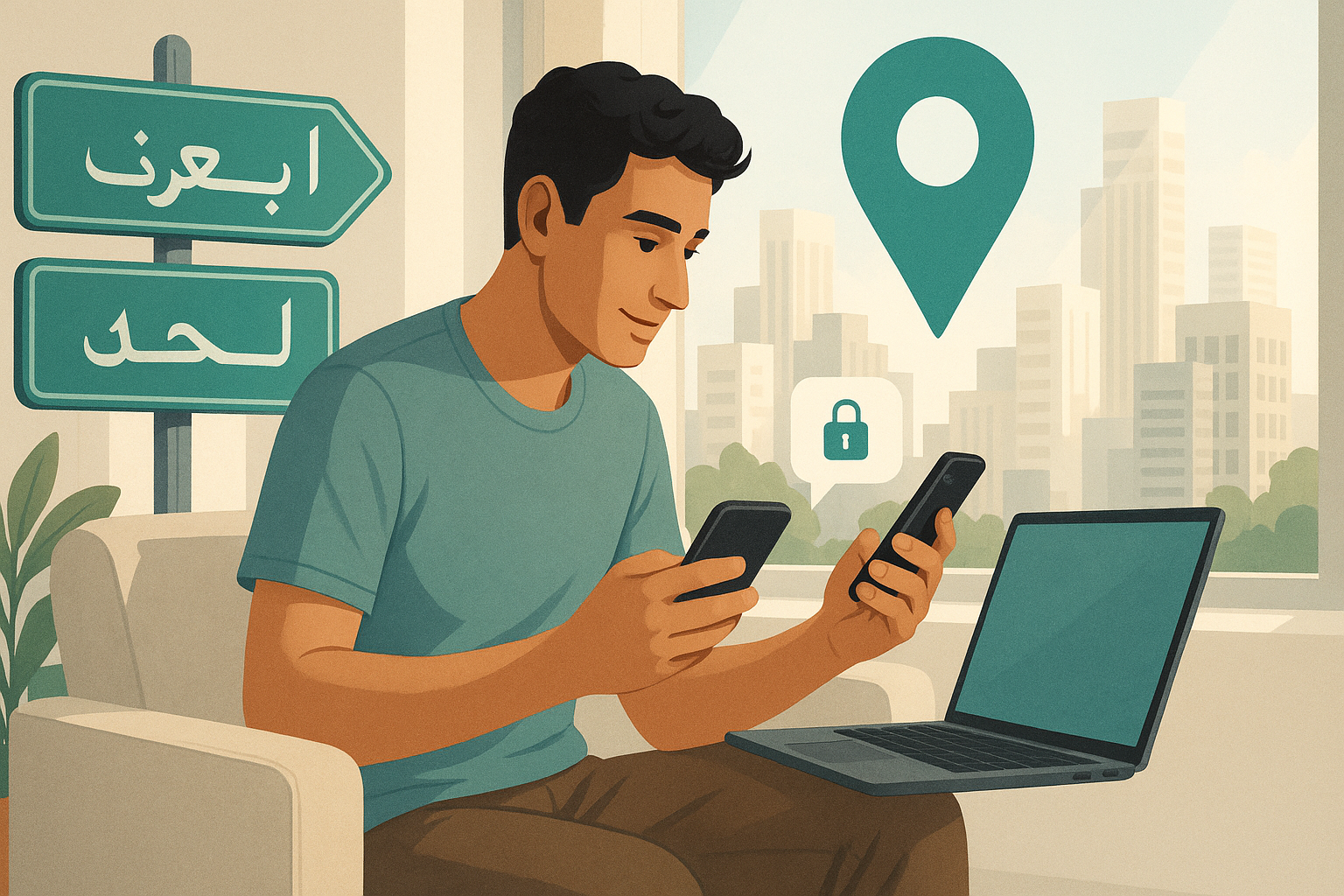
For many people, a phone number feels like a small thing to hand over. It is familiar, quick, and often baked into the sign-up flow. But for messaging, a phone number is also a stable identifier that can connect your account to your real-world identity, your contacts, and sometimes your broader digital life. That is why messaging without a phone number is not a niche request. It is a practical privacy need.
People ask for private messaging in many different situations. Some do not want to reveal their personal number to a stranger, colleague, client, support group, or online community. Others want secure communication without creating a trail that follows them across apps and services. If you are looking for a WhatsApp alternative, the question is often not only about features, but about what information you are forced to give up at the door.
Phone-number-free signup can also make a service easier to use in shared, temporary, or sensitive contexts. That might include political organising, whistleblowing, dating, neighbourhood groups, recovery communities, or simply keeping work and personal life separate. PigeonChat exists in this wider conversation, but the underlying issue matters even if you never use it: people want more control over how they are reachable.
Why a phone number can feel too revealing
A phone number is not just a routing detail. In practice, it is often a long-lived account key that can be reused, searched, synced, and associated with other records. Once a number is tied to a messaging account, it can become easier for others to find, contact, or infer details about you than you might expect.
That matters because many users do not want messaging apps to act like identity systems. They want to chat with someone without exposing a primary number that may be tied to banking, two-factor authentication, family contacts, or old accounts. For private communication, reducing the amount of personal data shared at signup is a meaningful design choice.
- You may not want strangers to have your main number.
- You may want to separate work, personal, and community contacts.
- You may need an account that is harder to link back to your offline identity.
- You may simply prefer not to hand over more data than necessary.
These concerns are ordinary, not extreme. People are increasingly aware that convenience often comes with traceability. Messaging without a phone number answers that concern directly by making the first step less invasive.
Privacy is not only about secrecy
When people hear privacy, they sometimes imagine hiding something improper. In reality, privacy is usually about choice, boundaries, and context. You may be happy to share your number with close friends, but not with every chat room, marketplace buyer, or event organiser. A good messaging app should let you decide where that boundary sits.
That is one reason phone-number-free signup is important. It supports the everyday right to keep different parts of life separate. Secure communication is easier to trust when the service does not automatically ask for a permanent personal identifier just to get started.
It also helps with safety. Survivors of harassment, people in vulnerable workplaces, and users in small communities can all benefit from being reachable without exposing their main number. In those cases, private messaging is not a luxury feature. It is part of personal safety hygiene.
What phone-number-free signup changes in practice
Removing phone-number signup changes the experience in a few important ways. First, it lowers the barrier to trying an app in a low-risk way. Second, it can make account creation feel less like entering a personal system and more like joining a communication tool. Third, it gives users more freedom to manage identities across contexts.
It can also reduce the number of places where a single identifier is stored. That does not automatically make an app secure, of course, but it can reduce the amount of personal data exposed if a service is misused, over-collected, or later abandoned. In privacy terms, less data at the start usually means less risk later.
For teams, communities, and small organisations, this can be especially useful. Not everyone wants to use a personal number for shared group communication. Not everyone wants their colleagues, customers, or volunteers to learn it either. A phone-number-free model offers a cleaner separation between identity and access.
Why this matters more as messaging becomes infrastructure
Messaging apps are no longer just places to send text. They are where people organise work, share documents, plan travel, coordinate caregiving, and make decisions. Once an app becomes infrastructure, the sign-up method matters more. If the app becomes central to daily life, users need to trust its handling of identity as much as its encryption or speed.
That is why the demand for private messaging and secure communication keeps coming up in discussions around mainstream platforms and newer tools alike. People notice when an app asks for more than seems necessary. They also notice when alternatives make a different trade-off and let them join without revealing a phone number.
PigeonChat is part of that broader shift in expectations. The real point is not that every app must work the same way. It is that users increasingly expect messaging tools to respect context and minimise the personal details they require.
What to look for in a better alternative
If you are comparing a chat app without a phone number to a more established platform, it helps to look beyond the sign-up screen. A privacy-friendly app should be clear about how accounts are created, how contacts are found, and what information is stored. A strong first impression is useful, but it is not the whole story.
Ask practical questions. Can you join without linking a personal number? Can you control who can find you? Can you limit profile visibility? Can you delete your account and data cleanly? These details matter because privacy is built through small decisions, not slogans.
- Does signup require a phone number, email, or neither?
- Can other users search for you using personal details?
- Is contact discovery optional and transparent?
- Does the app explain what metadata it keeps?
- Can you use it for one-to-one and group chats without over-sharing?
These questions help separate genuine privacy features from marketing language. The best WhatsApp alternative for a given person is not always the most famous one. It is the one that matches their boundary around identity, reachability, and data sharing.
Frequently asked questions
Why do people want messaging without a phone number?
Because a phone number is often too identifying for the job. People may want to chat without giving strangers, communities, or businesses access to a personal number that is used elsewhere in life. It is a simple way to reduce exposure and keep communication separate from identity.
Does using a phone number make an app insecure?
Not automatically. An app can still offer strong encryption and solid security while using phone numbers. The issue is that a phone number can make linking accounts, contacts, and identities easier. For many users, that is a privacy concern even when the technical security is good.
Is phone-number-free signup only for people with serious privacy concerns?
No. It is useful for ordinary users too. You might want a separate account for work, community groups, online sales, or short-term projects. You do not need a dramatic reason to prefer a smaller data footprint. Wanting more control over your personal details is enough.
The growing demand for messaging without a phone number shows that privacy is not an abstract feature request. It is a basic expectation for modern communication. Whether you are comparing platforms, protecting a personal boundary, or just looking for a cleaner way to connect, the ability to join without handing over your main number is a sensible and increasingly important part of secure communication.

Writer & Editor at PigeonChat
Related Articles
What a European chat app should offer now

What an EU chat app needs beyond privacy claims
What a browser-based end to end encryption chat app needs
How PigeonChat.site fits the EU privacy app search
Why browsers are becoming the new private chat home