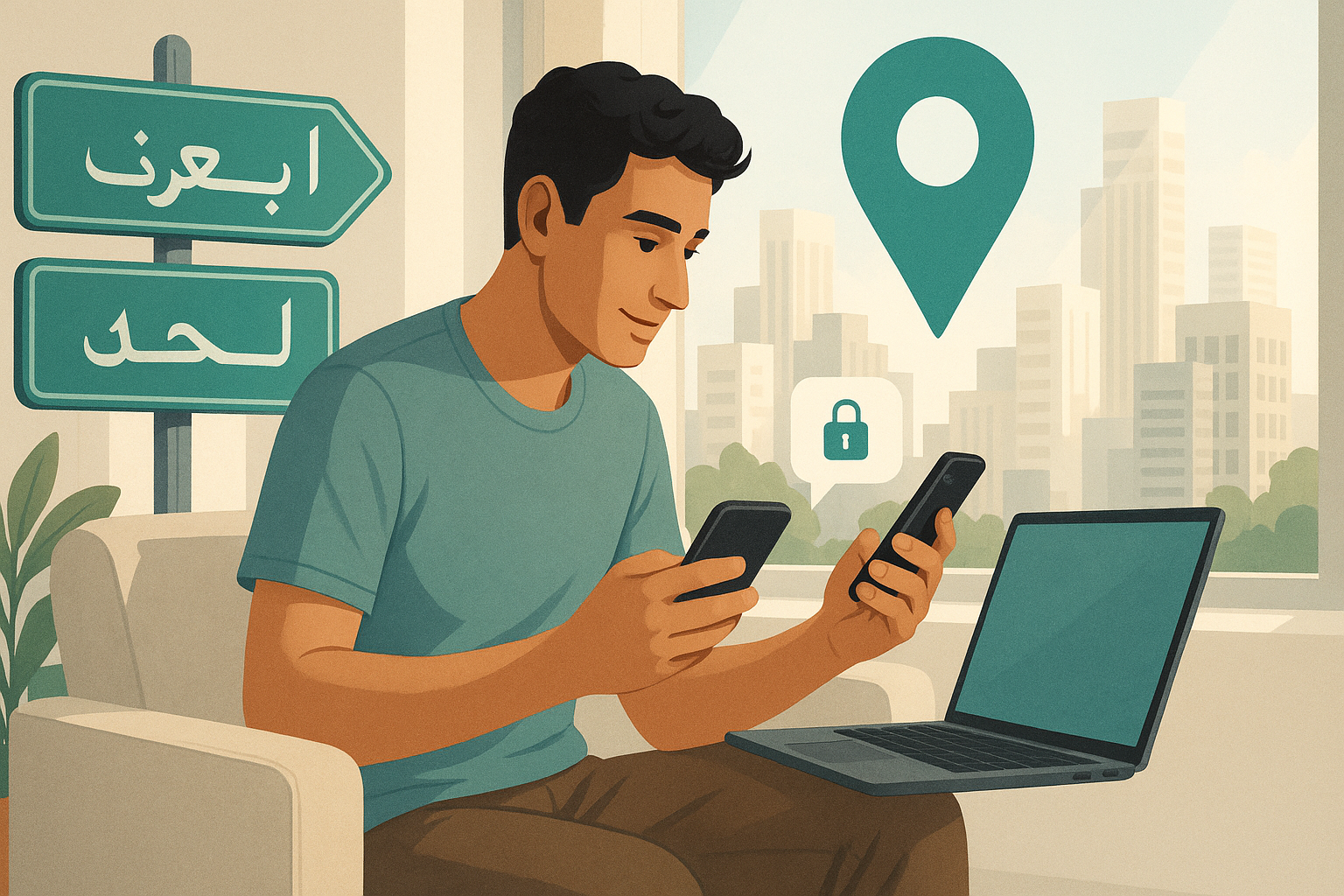
Why people want private chats without phone numbers
People are asking for private chats that do not require a phone number. This piece explains why that demand is rising and what it changes for users.
For a long time, giving out your phone number felt like a small price to pay for using a chat app. Today, more people are questioning that trade-off. A phone number is not just a login detail. It can be a durable personal identifier, a way to link accounts across services, and a point of contact many people would rather keep separate from everyday messaging.
That shift is why private messaging without phone numbers is no longer a niche request. It is becoming part of what people expect from secure communication. Users want a chat app without phone number requirements because they are thinking more carefully about online privacy, spam, account recovery, and how much of their identity should be tied to one app.
This does not mean phone-number-based apps are automatically unsafe. It does mean that sign-up design now sends a strong signal. When people ask for number-free accounts, they are often asking for a cleaner boundary between their public life, their contacts, and their private chats. Services like PigeonChat are part of that broader move towards simpler, privacy-conscious communication.
Why the phone number became a problem
Phone numbers were originally convenient because most people already had one, and they are relatively easy to verify. That made them useful for reducing fake sign-ups and helping with account recovery. But convenience for the service is not always convenience for the user.
Over time, many people started to see that a phone number is more revealing than an email address. It can be reused across banking, social media, shopping, and messaging. It can also be shared with contacts in ways that are hard to undo. For anyone trying to keep their private messaging separate from work, dating, communities, or activism, that matters.
There is also the practical issue of unwanted contact. If a chat app uses your number as the main identifier, anyone who has that number may be able to find you. For some people, that is useful. For others, it is exactly what they want to avoid.
Why number-free signups feel more private
A chat app without phone number requirements gives users a simpler choice: join without handing over a personal identifier that may already be tied to many parts of their life. That does not make the app magically private, but it reduces one common source of exposure.
People often think about privacy in layers. They may want secure communication in transit, limited data collection, and less personal information on file. Removing the phone number from sign-up supports all three, because it reduces what the service needs to know upfront.
It can also help people use messaging for different contexts. Someone might want one account for close friends, another for a community group, and another for a side project. Number-free accounts make that easier without forcing them to manage extra SIM cards or secondary phones.
What users are really asking for
When people say they want private chats without phone numbers, they are often asking for more than just a different login method. They usually want control, separation, and less friction around everyday privacy choices.
- Less identity linkage - not every account needs to be tied to a real-world phone identity.
- Better boundary setting - work, family, and personal messaging can stay distinct.
- Lower exposure to spam - fewer routes for unsolicited contact.
- Easier account creation - especially for people without a stable mobile number.
- More trust in the service - users feel the app is asking for only what it needs.
This is why the demand keeps growing across different kinds of messaging products. It is not only a technical preference. It is a reflection of how people now think about online privacy in general: share less, link less, and keep sensitive details out of systems unless they are truly necessary.
What private messaging should still do well
Removing phone numbers is a good start, but it is only one piece of secure communication. A privacy-first chat app still needs to handle the basics well. Otherwise, the lack of a phone number simply hides weak design elsewhere.
Users should look for features such as strong account controls, clear contact permissions, sensible blocking tools, and a straightforward privacy policy. If the app offers encryption, that is useful, but encryption alone does not solve all privacy problems. Metadata, retention practices, and default visibility settings still matter.
It is also worth asking whether the app makes it easy to use without over-sharing. A good private messaging product should feel calm and predictable. It should not push people into linking contacts, importing address books, or turning on extra discovery features unless they want them.
How to choose a chat app without a phone number
If you are comparing messaging apps, focus less on marketing language and more on what information the service asks for during sign-up and use. Privacy claims are easy to make. The real test is what the product requires by default.
Start by checking whether you can create an account with an email address, username, or another minimal identifier. Then look at whether the app lets you control discoverability. Can other people find you by contact sync? Can you hide your profile details? Can you delete an account without jumping through hoops?
It also helps to think about your own use case. A messaging app for close friends may have different needs from one used for community coordination or professional communication. The best choice is the one that fits your level of risk and your comfort with data sharing.
Why this expectation is becoming mainstream
More people now understand that digital services collect more than they need to. That has changed expectations. What once looked like an advanced privacy feature now looks like a basic courtesy.
Phone-number-free signups fit a broader pattern in software design. Users increasingly want the ability to decide what to reveal, rather than defaulting to the most identifying option available. In messaging, that means a growing preference for accounts that can exist without attaching a stable personal number to every conversation.
For product teams, the lesson is simple. If you are building for trust, do not treat the phone number as a harmless field. For many people, it is a barrier to trying the app at all.
Frequently asked questions
Is a chat app without a phone number always more private?
Not automatically. It is a strong privacy improvement, but the app still needs good data handling, sensible defaults, and clear controls. A service can avoid phone numbers and still collect too much in other ways.
Why do some apps still require phone numbers?
Some rely on them for account verification, spam reduction, and contact discovery. That can be useful for the provider, but it is not always necessary for the user. Many people now see that as a design choice rather than a requirement.
Can I still have secure communication without using my number?
Yes. Secure communication depends on the app’s overall design, not on whether it uses your phone number. You can have private chats with usernames, email-based sign-ups, or other identifiers as long as the product is built with privacy in mind.
The growing demand for number-free private messaging is not a fad. It reflects a more mature view of online privacy, where people expect services to ask for less, reveal less, and respect boundaries by default. For many users, that is now simply what a good chat app should do.

Writer & Editor at PigeonChat
Related Articles
What a European chat app should offer now

What an EU chat app needs beyond privacy claims
What a browser-based end to end encryption chat app needs

How PigeonChat.site fits the EU privacy app search
Why browsers are becoming the new private chat home